
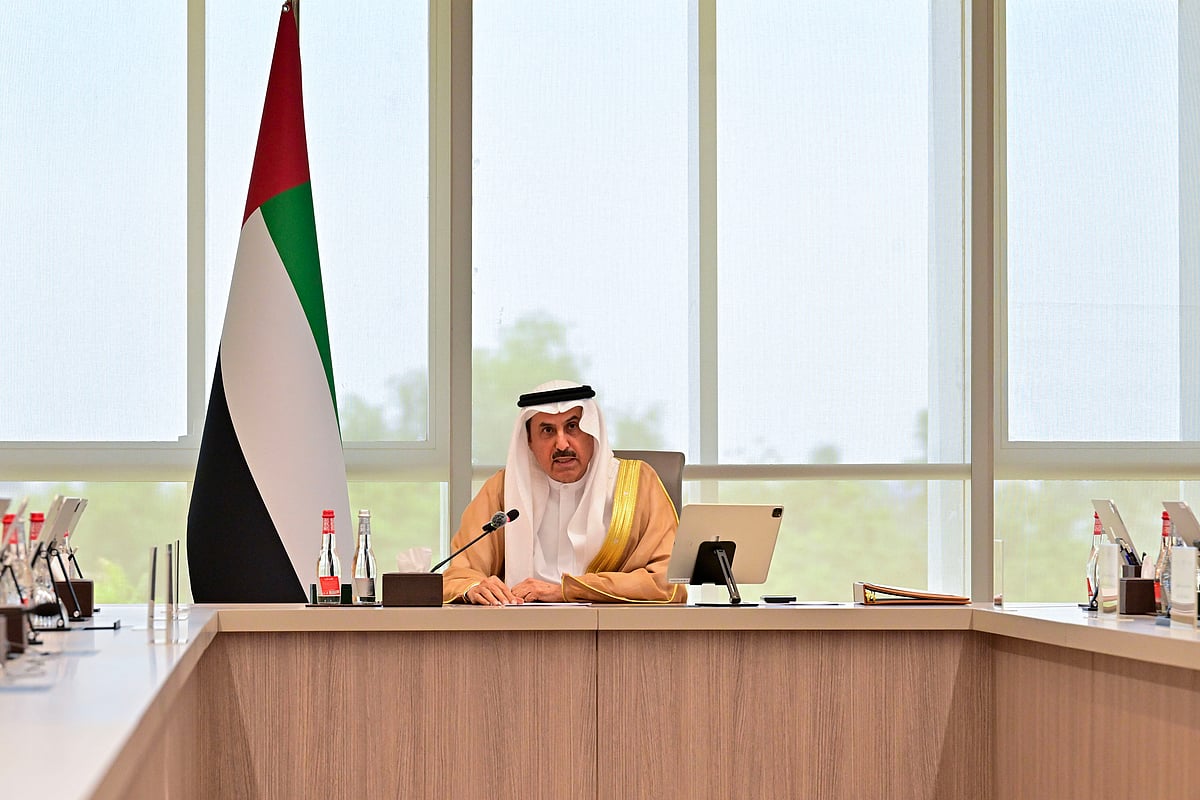
Defending national sovereignty is a crucial duty that deserves unwavering commitment. In a rapidly changing geopolitical landscape, it is essential to evaluate the future security framework of the region. This involves a multifaceted approach that emphasizes respect for the autonomy of Gulf and Arab nations, refraining from meddling in their domestic matters, ensuring the protection of key maritime routes and energy resources, and addressing the challenges posed by cross-border militant organizations.
The Importance of National Sovereignty
National sovereignty serves as the backbone of any nation’s identity and geopolitical strength. It denotes a state’s ability to govern itself without external interference. In the Gulf region, where diverse cultures and political systems coexist, preserving sovereignty is not merely desirable but essential. The delicate balance of power necessitates a commitment from all regional actors to respect and uphold each other’s independence. This, in turn, foster peace and stability, enabling nations to focus on their development agendas rather than on the threats posed by external players.
A Cooperative Security Framework
The call for a rethink on regional security architecture is timely and essential. Establishing a robust security framework requires collaboration among governments within the Gulf and Arab states. A cooperative approach would facilitate sharing intelligence and resources to effectively confront common adversaries. By prioritizing collective security, nations can enhance their defense capabilities, ensuring that the sovereignty of each state is protected. This unified stance can effectively deter interference from outside powers, reinforcing the integrity of the Gulf region.
Respect for Internal Affairs
Non-interference in the internal affairs of sovereign states is a critical tenet that must be consistently upheld. When foreign nations meddle in domestic issues, it can lead to unrest, division, and instability. All Gulf and Arab states should advocate for policies that respect each other’s sovereignty and promote dialogue over conflict. Encouraging respectful and constructive interactions among these nations can create a conducive environment for peace and mutual understanding. Only through such engagement can the region address its complex challenges effectively.
Securing Maritime Routes and Energy Supplies
Maritime routes and energy supplies are lifelines for economies in the Gulf region. Ensuring their protection is not just a national concern but a collective responsibility that impacts global markets. A sustainable security framework must include strategies to safeguard these critical routes from piracy and sabotage. Regional cooperation is essential for monitoring these waterways, thereby preventing disruptions that could have far-reaching consequences. In addition, securing energy supplies ensures that all nations within the region can thrive economically, reinforcing their sovereignty even further.
In conclusion, defending national sovereignty while establishing a resilient security architecture is vital for the Gulf and Arab states. Respecting each other’s autonomy, refraining from external interference, and securing vital maritime routes will contribute to a stable and prosperous region. As the dynamics continue to evolve, a cooperative approach that reinforces these principles will be imperative for protecting national interests and ensuring lasting peace.