
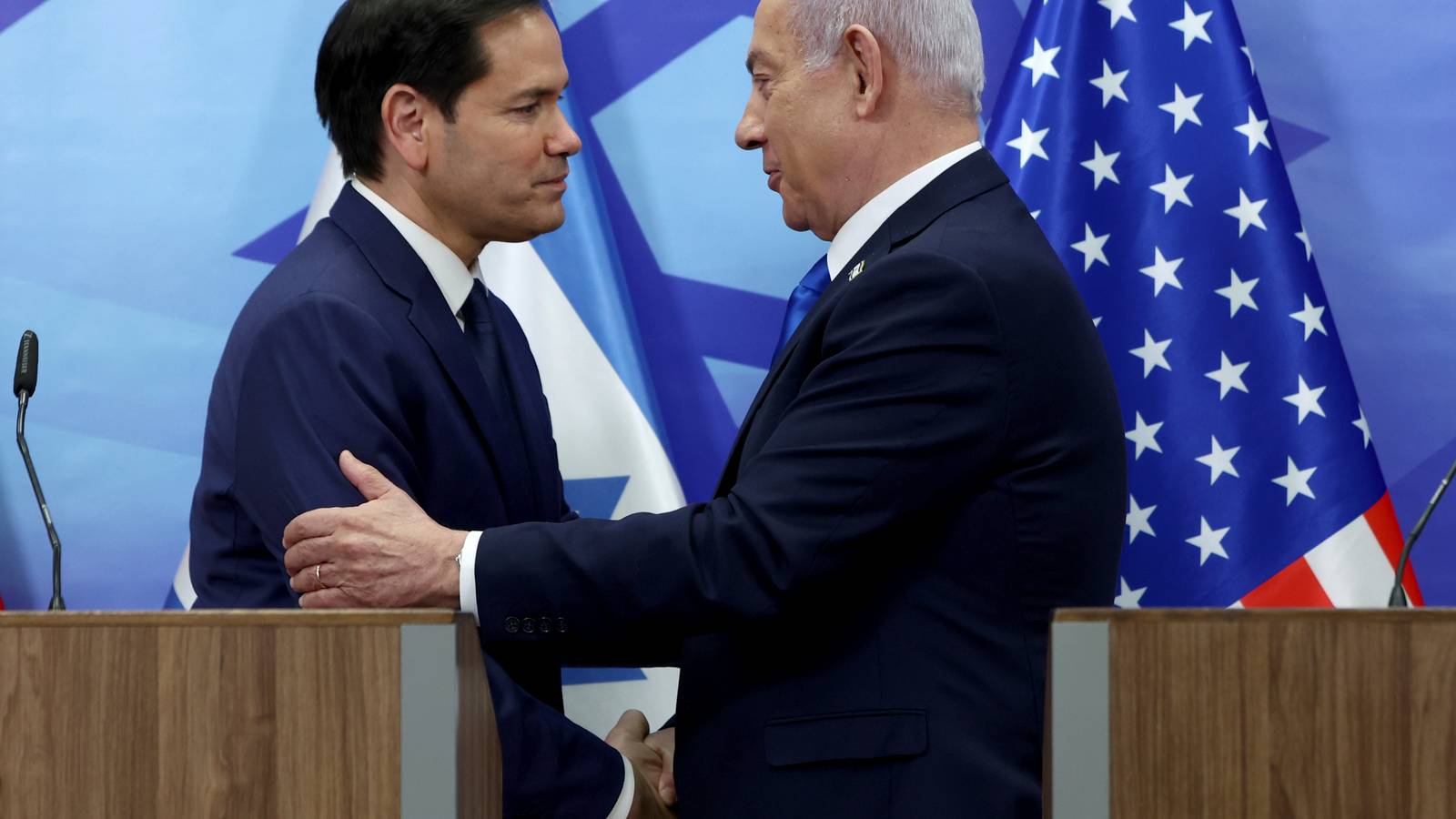
The Senate Intelligence Committee has introduced new legislation that aims to enhance intelligence collaboration with U.S. allies, particularly Israel. This initiative, encapsulated in the Intelligence Authorization Act for FY 2027, introduces significant amendments to existing policies governing intelligence sharing, particularly as they pertain to national security concerns and cooperation with Israel.
Key Features of the Legislation
Section 622 of this legislation proposes notable changes to the National Security Act of 1947 by enshrining specific provisions for intelligence sharing with Israel. Under this amendment, the president, acting through the director of national intelligence and the secretary of defense, is directed to enhance intelligence-sharing efforts with Israel across several critical areas. These include threats such as terrorism, cybersecurity risks, missile technology proliferation, and regional security issues. Additionally, the amendment stipulates that intelligence sharing with Israel can only be curtailed if the president identifies a clear, national security justification for such action.
Furthermore, any reduction of intelligence sharing must be reported to Congress within 15 days, along with notifications if intelligence sharing is increased or altered in any significant manner. The extent of these provisions indicates a strong commitment to maintaining robust intelligence cooperation with Israel, underscoring its strategic importance to U.S. foreign policy.
Comparison with Other Sections of the Bill
In contrast to Section 622, sections like 619, which focuses on the Indo-Pacific region, do not impose similar restrictions on future administrations concerning intelligence sharing with allied nations. While Section 619 encourages greater cooperation with nations such as Australia and Japan, it does not prevent a president from altering intelligence-sharing agreements. This contrasts sharply with Section 622, where only the president holds the authority to limit cooperation with Israel.
Another relevant section is 620, concerning Ukraine, which enforces continued intelligence support during its ongoing conflict with Russia. Here, multiple parties hold the authority to determine when such support may end, yet it imposes specific conditions. Unlike Sections 620 and 619, Section 622 lacks similar frameworks, solely focusing on expanding intelligence-sharing and imposing limitations against its reduction.
Integrative Reports and Regional Security
Section 622 also mandates the president to produce annual reports for five years detailing intelligence-sharing dynamics with Israel and other regional allies. These reports aim to assess progress in integrating Israel into joint air and missile defense systems and improving technological collaboration among the U.S., Israel, and its regional partners. Areas of emphasis include counter-terrorism, cybersecurity, and maritime security strategy. This indicates a proactive approach by Congress to foster deeper cooperation among the U.S., Israel, and countries that have established ties through agreements like the Abraham Accords.
Unresolved Questions in the Amendment
Despite its comprehensive measures, Section 622 raises important questions about the absence of reciprocity requirements. The amendment does not require Israel to provide equivalent access to intelligence or technology in exchange for U.S. support. This is particularly noteworthy given historical disputes over technology sharing between the two nations.
Additionally, the legislation does not address contentious issues related to historical espionage incidents involving Israel, such as the case of Jonathan Pollard, a former U.S. Navy intelligence analyst convicted of spying for Israel. Pollard’s case adds complexity to the discussions around U.S.-Israel intelligence collaboration. Recent assessments have also elevated concerns regarding Israel’s intelligence activities within the U.S., yet Section 622 does not propose any counterintelligence measures beyond standard protective mentions.
In summary, while Section 622 lays a foundational framework for enhanced intelligence cooperation with Israel, it poses critical questions about the reciprocal obligations of both parties and lacks provisions addressing historical intelligence vulnerabilities. As Congress works toward deeper integration between U.S. and Israeli security frameworks, ongoing debate about these issues will be essential in shaping future intelligence policies.