
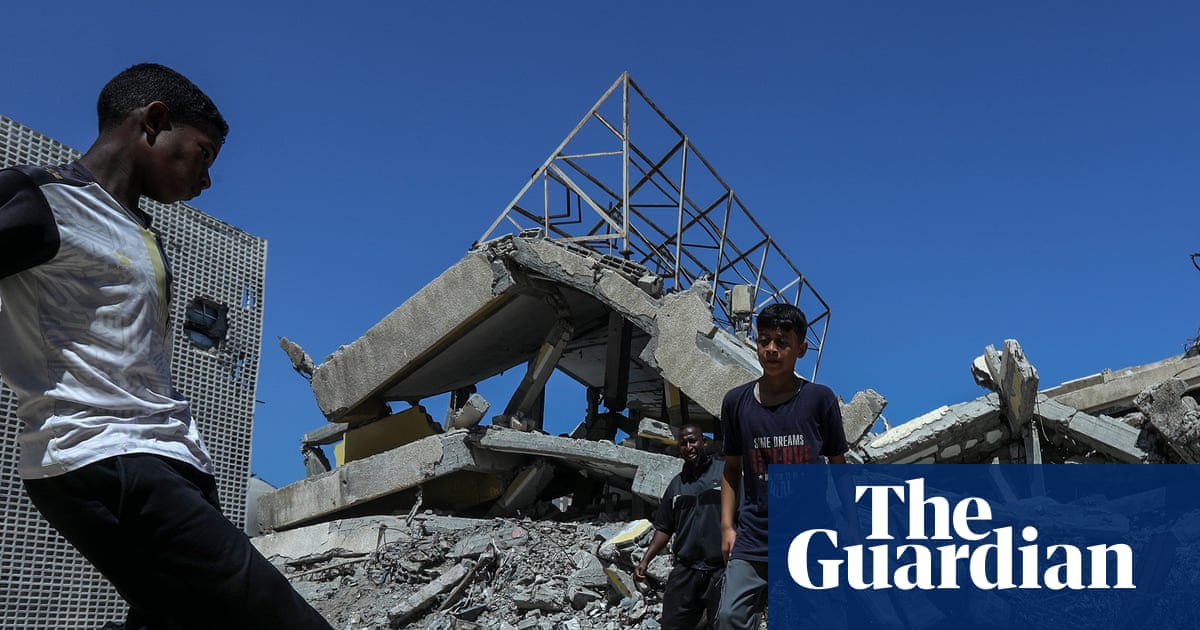
On Friday, civil society representatives from both Palestine and Israel convened in Paris, urging G7 leaders to take decisive steps at this week’s summit in Évian-les-Bains. Their focus is the dwindling prospects for a two-state resolution to the ongoing conflict. The participants stressed the urgency of implementing specific measures aimed at creating peace, highlighting the need for a ceasefire, the disarmament of Hamas, and major reconstruction efforts in Gaza.
Urgent Actions Required for Lasting Peace
The civil society groups emphasized the necessity of a coordinated approach to peace initiatives, advocating for the integration of various existing plans, including the Board of Peace initiative. The meeting brought together around 150 activists, revealing a collective concern over persistent issues such as settler violence, the expansion of settlements, and the de facto annexation of land, all of which threaten the feasibility of a future Palestinian state. In a joint statement, they noted, “Gaza is devastated, Israel remains under threat,” highlighting a shared experience of fear and insecurity among both communities.
A Call for G7 Leadership
The groups voiced apprehension that discussions regarding Gaza may be overlooked at the G7 summit. They urged leaders to recognize that the opportunity for a peaceful solution is still present but quickly diminishing. They called for urgent diplomatic interventions that involve collaboration with civil society. A significant aspect of the gathering was to connect grassroots movements in Israel and Palestine with higher diplomatic discussions aimed at a two-state solution.
Stalled Progress and Political Tensions
Efforts towards Palestinian self-governance and an Israeli withdrawal from Gaza have faced considerable stagnation, as both parties blame each other for failing to adhere to the requirements laid out in Donald Trump’s 20-point plan. Recent discussions among Palestinian factions in Cairo yielded minimal advancements in persuading Hamas to relinquish its heavy weaponry. Hamas insists on a complete Israeli withdrawal from Gaza before disarmament, while Israel demands the opposite, creating a deadlock that seems increasingly intractable.
The Role of Civil Society in Peace Processes
At the Paris meeting, attended by key foreign ministers including the EU’s foreign policy chief Kaja Kallas, discussions aimed to incorporate the diplomatic efforts toward a two-state solution with existing civil society actions. John Lyndon, from the Alliance for Middle East Peace, highlighted that while many in Israeli society support a two-state solution, this consensus is often underrepresented in political arenas. He cautioned against elite-driven approaches to diplomacy, advocating for greater engagement with civil society, which offers untapped potential for fostering peace.
Recognizing the complexities surrounding the situation, participants acknowledged that the international community, particularly countries like the UK, Canada, and Australia, has begun to lay the groundwork for ongoing financial support for peace initiatives in the region. There are growing concerns regarding escalating settler violence and the diminishing ability of the Palestinian Authority to challenge Hamas, thereby intensifying instability.
In conclusion, the Paris meeting called for practical steps, including a monitored ceasefire and renewed funding for the Palestinian Authority, warning that failure to address these issues could lead to a deeper entrenchment of Hamas in Gaza and an escalating security crisis for Israel. The collective voice from this gathering underscores the critical importance of regional cooperation and the need to view it as a catalyst for ending the occupation, without undermining the vision of an independent Palestinian state.