
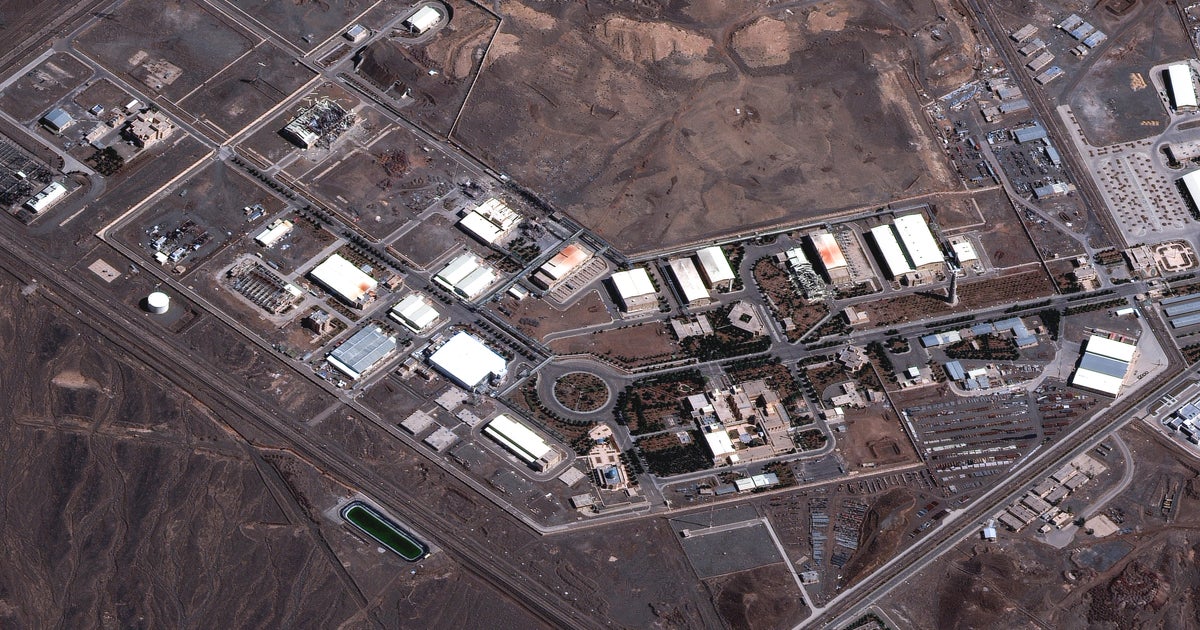
Amidst the tense dynamics of U.S.-Iran relations, military planners in the United States are actively considering scenarios that would involve American support to secure Iran’s nuclear materials, contingent upon reaching a diplomatic agreement. This planning, while still in its preliminary stages, indicates a serious commitment to addressing the potential risks associated with Tehran’s nuclear capabilities.
U.S.-Iran Diplomatic Tensions and Military Planning
As discussions regarding diplomatic resolutions with Iran continue, U.S. officials indicate that military strategies are being developed to deal with nuclear materials in Iran. These discussions involve how the Pentagon can assist the Department of Energy in the removal and securing of highly enriched uranium from Tehran. This planning encompasses a broad range of potential military and political developments, highlighting the urgency and seriousness of managing Iran’s nuclear threat.
According to sources familiar with the planning, one proposed scenario includes the deployment of U.S. troops across multiple Middle Eastern countries to facilitate a rapid response. Specialized teams from the Department of Energy, working in coordination with American military forces and other government agencies, would enter Iran to identify, secure, and extract stockpiles of enriched uranium. This coordinated effort emphasizes the U.S. commitment to preemptively manage nuclear risks.
Involvement of Specialized Military Units
Before an incident involving the downing of an American F-15E Strike Eagle in April, Pentagon officials were already evaluating similar strategies that could involve the Department of Energy’s Nuclear Emergency Support Team (NEST). This operation might also include U.S. Special Operations forces and the Army’s 20th Chemical, Biological, Radiological, Nuclear, Explosives Command, which is adept at handling threats related to weapons of mass destruction and hazardous materials. The integration of these specialized units underlines the complexity and necessity of the mission, should it be executed.
It is crucial to recognize that these discussions do not equate to a finalized decision to undertake an operation. Instead, they reflect the routine planning that military strategists engage in to address potential contingencies arising from complex international dynamics. The meticulous approach underscores the administration’s proactive stance toward safeguarding nuclear nonproliferation.
Conditions for a Diplomatic Agreement
A senior administration official recently indicated that under the anticipated terms of a potential agreement with Iran—which could be finalized imminently—the country’s enriched uranium would be destroyed on-site before being removed from its territory. Such conditions illustrate the framework for negotiations aimed at achieving a secure and effective resolution to the nuclear issue, while also demonstrating the U.S. commitment to nonproliferation.
The official further elaborated on the intricate technical processes that will need to be negotiated and completed following the signing of a memorandum of understanding, slated to span 60 days. This timeline highlights the diplomatic challenges ahead, emphasizing that extensive efforts must be made to ensure compliance and safety concerning Iran’s nuclear materials.
As the situation evolves, it remains clear that U.S. military planners are poised to respond to developments in Iran’s nuclear program, aiming to balance diplomatic efforts with strategic readiness. The unfolding dynamics will play a critical role in determining the trajectory of U.S.-Iran relations and regional security in the coming months.