
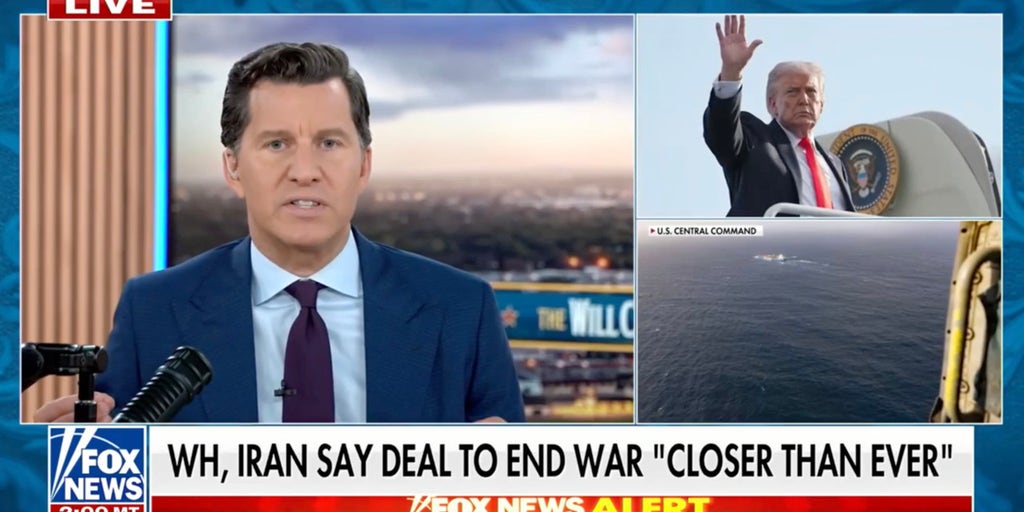
In recent developments, a proposed agreement between the United States and Iran has garnered significant attention. This potential deal is believed to be pivotal not only for diplomatic relations but also for regional stability. As both nations navigate the complexities of their past interactions, understanding the nuances of this proposal can shed light on its possible impact.
The Core Elements of the Proposed Agreement
At the heart of the proposed agreement is a commitment to address longstanding issues surrounding Iran’s nuclear program. The United States appears to be seeking assurances that Iran will limit its uranium enrichment activities, which have raised international concerns over the potential for nuclear weapon development. In return, the U.S. may offer gradual sanctions relief, creating an atmosphere conducive to further diplomatic dialogue. This bilateral approach reflects a shift toward negotiation and away from prior confrontational tactics, aiming for both parties to find common ground.
Regional Implications of the Agreement
The implications of this potential deal extend far beyond U.S.-Iran relations. A successful agreement could significantly alleviate tensions in the Middle East, fostering a more stable environment. Neighboring countries, particularly those that have been wary of Iranian influence, might find a new basis for dialogue and collaboration. Additionally, nations that have historically aligned with the U.S. may also reassess their strategies, potentially leading to a more unified approach to regional security concerns. Furthermore, the agreement could set a precedent for how global powers address contentious issues in future negotiations.
Challenges and Opposition
While the proposed agreement has its merits, it is not without challenges and opposition. Critics argue that any concessions to Iran could embolden the regime, allowing it to continue supporting militant groups and escalating its influence in the region. Skeptics within the United States, particularly among lawmakers, express concerns about the adequacy of the measures aimed at monitoring Iran’s nuclear activities. The robust debate highlights differing perspectives on how best to approach Iran and could complicate the negotiation process. Balancing these concerns while moving toward a reasonable diplomatic solution is crucial for the success of any agreement.
The Path Forward
As discussions progress, an emphasis on transparency and accountability will be vital. Building trust between the two nations requires clear communication and verifiable steps that can assure both sides of compliance. Engaging international partners in the negotiation process may also enhance the framework surrounding the deal, bolstering its legitimacy. Ultimately, the success of any agreement hinges on the willingness of both the U.S. and Iran to move beyond past grievances and to foster a mutually beneficial relationship. Maintaining a focus on dialogue and diplomacy will be essential in navigating the complexities ahead.
As the situation develops, it will be essential for interested observers to stay informed. The unfolding dynamics between the United States and Iran may have far-reaching consequences, impacting not only international relations but also the broader geopolitical landscape in the years to come.