
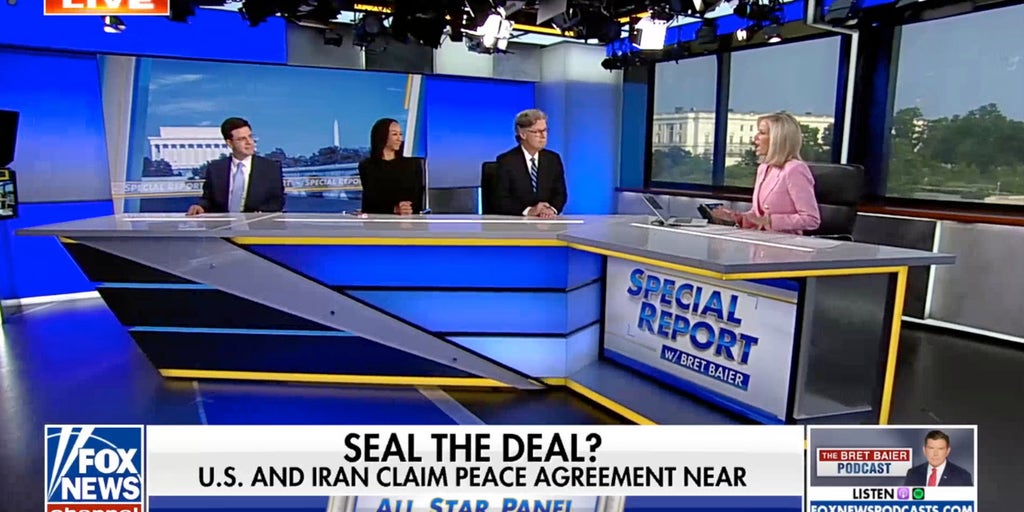
In today’s rapidly evolving geopolitical landscape, discussions about peace and diplomatic relations remain paramount. Recently, a panel of experts gathered to assess the prospects of a potential U.S.-Iran peace agreement, alongside other current events such as Hunter Biden’s podcast featuring California Governor Gavin Newsom. This blend of topics illustrates the intricate nature of politics in America and its global implications.
Skepticism Around U.S.-Iran Peace Talks
The conversation surrounding a U.S.-Iran peace deal is rife with skepticism. Experts highlight historical tensions that have long defined U.S.-Iran relations, making the likelihood of a genuine agreement questionable. Many analysts suggest that both nations have persistent distrust, fueled by years of conflict and disagreements over critical issues such as nuclear enrichment and regional interventions. This skepticism raises important questions about the motivations behind such negotiations and whether they can lead to lasting peace or are merely symbolic gestures.
Moreover, analysts point out that political realities in both countries further complicate the situation. In the U.S., opposition parties may resist anything resembling rapprochement with Iran, viewing it as a concession that undermines national security. Meanwhile, Iranian leaders face their own domestic pressures that can make compromise difficult. For many observers, this complex interplay of internal and external factors diminishes the prospect of a successful peace deal.
The Impact of Hunter Biden’s Podcast Appearance
In an unrelated yet equally engaging discussion, Hunter Biden recently made headlines with his podcast appearance alongside California Governor Gavin Newsom. This move has ignited debates not only about Hunter’s political influence but also concerning the broader implications of celebrity culture in modern American politics. The podcast format allows for in-depth conversations that can shed light on issues often overlooked in traditional media interviews.
Critics argue that Hunter Biden’s visibility raises ethical questions about privilege and nepotism in political circles. Others, however, suggest that engaging in dialogue through platforms like podcasts can foster greater transparency between political figures and the public, providing insights into their thoughts and motivations. The impact of social media and alternative media on public perception cannot be understated, as it shapes the way citizens understand their leaders and the policies they advocate.
The Future of American Politics
As these discussions spotlight the intertwined nature of diplomatic relations and domestic politics, it becomes evident that the future of American politics will likely be defined by ongoing controversies. The skepticism surrounding international agreements like a potential U.S.-Iran peace deal reflects a broader uncertainty permeating the political landscape. Meanwhile, the rise of new media platforms offers both opportunities and challenges for leaders trying to connect with constituents.
In conclusion, the interplay between skepticism about international peace efforts and the evolving narrative around figures like Hunter Biden highlights the complexity of modern politics. As the landscape continues to change, it remains critical for citizens to remain informed and engaged. Staying abreast of these discussions not only enhances public discourse but also promotes a more nuanced understanding of the myriad factors that shape both domestic and international policies.
In navigating this intricate terrain, fostering open dialogue and exploring diverse perspectives becomes essential for achieving progress in both foreign relations and national matters.