
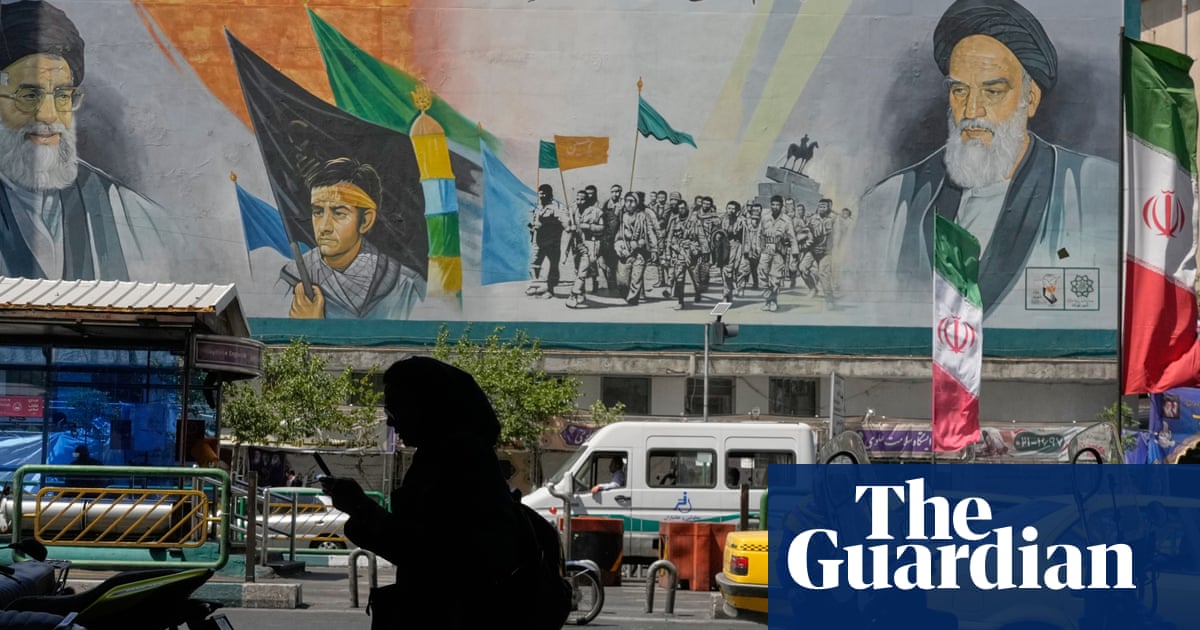
The prospects for an end to the ongoing conflict between the U.S. and Iran are increasingly unclear. Recent events have revealed a confusing mix of claims from both nations regarding peace negotiations, leaving many observers bewildered. Tensions heightened this past week as conflicting statements emerged from U.S. officials and Iranian sources, complicating the already fraught discussions surrounding a potential peace agreement.
Conflicted Statements and Uncertain Negotiations
Former President Donald Trump appeared to step back from his earlier optimism that a preliminary agreement could be reached soon. Instead, he took to social media, expressing frustration and describing Iranian officials as “dishonorable” in negotiations. He emphasized the need for Iran to behave more constructively, stating, “They better get their act together, and FAST!” This shift in tone came after Iranian news outlets countered claims, suggesting that no agreement had been finalized and even released a draft of a supposed deal.
In a surprising twist, Pakistan’s Prime Minister Shehbaz Sharif claimed on social media that a peace deal had been fully agreed upon, yet he offered no further details. Meanwhile, reliable sources from both Tehran and Washington have yet to confirm if any final terms had been established. A senior U.S. official suggested a substantial likelihood—around 80 to 85%—that a deal could be signed soon, indicating that various factions within Iran are still negotiating internally over the matter.
Internal and External Pressures
While both nations appear to be pursuing a resolution, their internal challenges cannot be overlooked. The U.S. faces significant political pressure from rising fuel prices and a war that is losing public support. Some Republican leaders worry that the ongoing conflict could adversely affect their standing in the upcoming midterm elections. Similarly, Iran contends with soaring inflation and restricted oil exports, making the situation dire for its leadership.
Iran’s Foreign Minister Abbas Araghchi announced that a memorandum for addressing the U.S.-Israeli conflicts with Iran was closer than ever. However, he urged the media to refrain from speculation until the deal is finalized. This indicates that negotiations are still delicate and subject to change. Iranian state-controlled news agency IRNA confirmed that the broader elements of a deal were being worked on but raised eyebrows when it mentioned that Iran would not relinquish its control over the Strait of Hormuz, a critical shipping route that has seen significant restrictions since the onset of the war.
Key Issues and Future Implications
A significant point of contention remains the Strait of Hormuz, where the U.S. demands freedom of navigation, a stipulation that Iran has been resistant to accepting. U.S. officials have stated that opening this strategic waterway is part of any agreement, although Iranian military involvement in recent incidents has further complicated this issue. In recent days, U.S. forces reported having intercepted Iranian drones aimed at commercial shipping, underscoring the ongoing tensions.
Simultaneously, Israel remains apprehensive about the negotiations, particularly regarding Iran’s ballistic missile capabilities and support for militant groups. Israeli Prime Minister Benjamin Netanyahu has publicly committed to preventing Iran from attaining nuclear weapons, but discussions about the broader implications of any deal remain tense. Some analysts believe that effectively integrating Lebanon into the conversations is vital, especially given Hezbollah’s escalating involvement in the region.
As discussions unfold, both Iran and the U.S. face pressing national imperatives that complicate negotiations. The next steps will be pivotal, not only for the involved nations but also for the stability of the broader Middle East. The world watches closely as the possibility of a diplomatic breakthrough remains uncertain amid internal fractures and external pressures.