
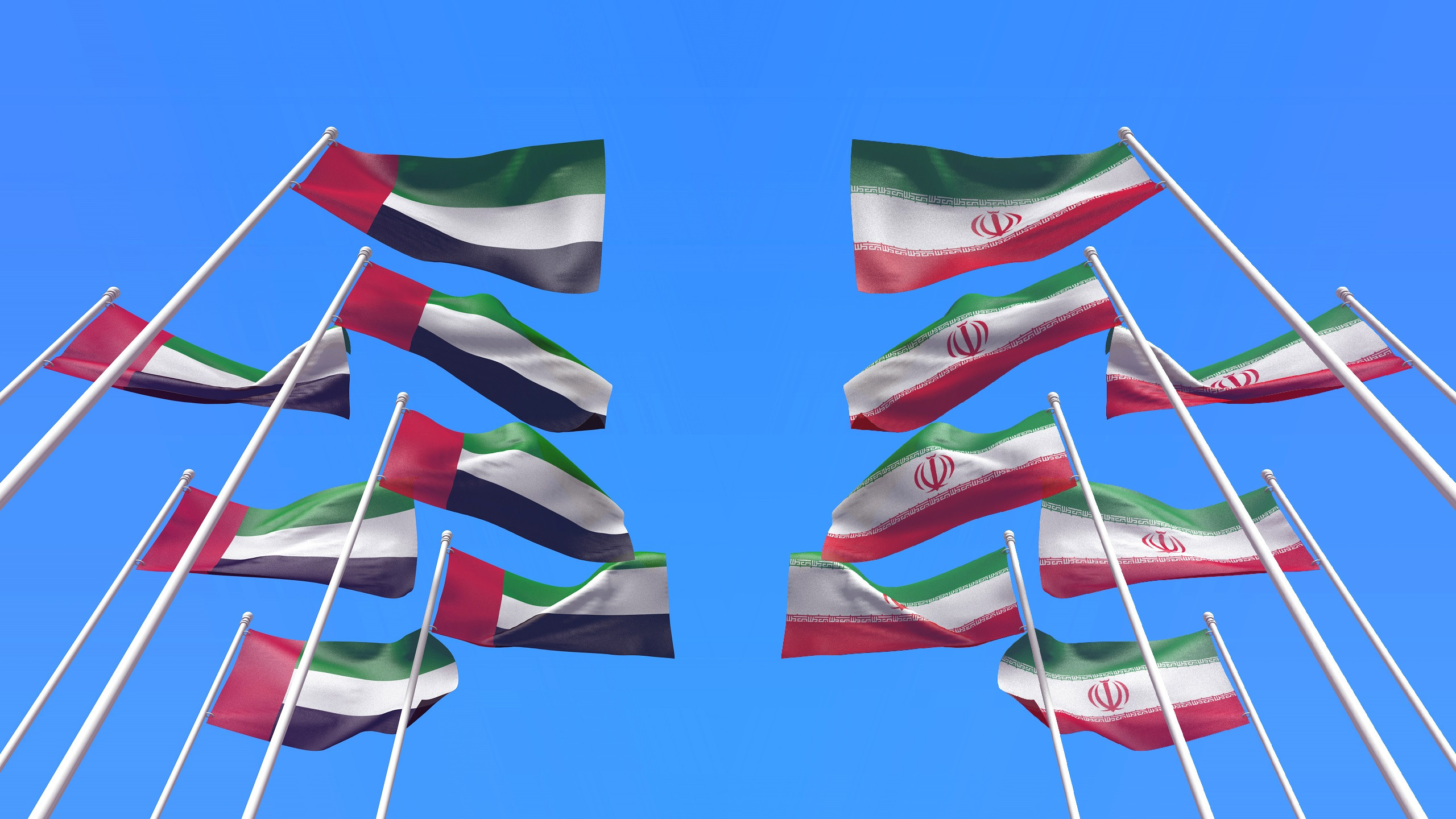
Senior security officials from the United Arab Emirates (UAE) and Iran recently met in person for the first time since the onset of regional conflicts in late February. This significant meeting signals a potential shift in the relations between these two neighboring nations, reflecting the complexities of the Middle Eastern geopolitical landscape.
Shifting Dynamics in UAE-Iran Relations
This face-to-face engagement has been described by Bloomberg as a “stark turnaround” in the often tumultuous relationship between the UAE and Iran. These discussions were crucial for the UAE, which is eager to protect its economic and strategic interests that have come under threat due to escalating tensions in the region. The UAE, actively pursuing plans to invest heavily in areas like oil production and artificial intelligence data centers, is recognizing the necessity for dialogue amidst instability.
Before the conflict, Iran was one of the UAE’s largest trading partners, often serving as a vital hub for Iranian oil exports in spite of international sanctions. The resurgence of diplomatic interaction comes at a time when both states have endured a period of heightened conflict and mistrust. In recent engagements, Iran launched a significant number of drones and missiles targeting the UAE—more than any other nation—resulting in considerable damage to energy infrastructures, ports, and tourism sectors, and leading to the loss of 13 lives.
Continuing Tensions and Retaliation
Most of these attacks were intercepted by air defense systems supplied by Western countries, yet they spurred retaliatory actions from the UAE against Iranian targets. This back-and-forth has perpetuated a cycle of animosity and has further complicated an already strained relationship. Additionally, divisions over regional alliances have also played a role in their ongoing tensions. Since the UAE normalized relations with Israel through the Abraham Accords in 2020, it has aligned itself with one of Iran’s key adversaries in the region.
Despite this complex backdrop, the UAE’s desire for renewed engagement with Iran is informed by a pragmatic recognition of the geopolitical realities they face. Sources suggest that the UAE views its outreach as a necessary step in rebuilding relations with a country it still sees as an adversary, while also accepting that a significant change in Iran’s regime is not anticipated in the near future.
A Broader Regional Approach to Diplomacy
The UAE’s recent diplomatic overture fits into a broader trend among Gulf states seeking to ease tensions with Tehran through dialogue rather than military confrontation. Notably, both Qatar and Saudi Arabia have also faced similar threats from Iran and its proxies, yet they have chosen to pursue diplomatic avenues to mitigate hostilities. This shift highlights a growing awareness among Gulf nations of the need for cooperation and dialogue in addressing regional security challenges.
In conclusion, the recent meeting between senior officials from the UAE and Iran could mark the beginning of a new chapter in their bilateral relations, characterized by increased communication and understanding amidst an evolving geopolitical situation. As both nations navigate their complex histories and current challenges, the potential for a thaw in relations carries significant implications not just for the UAE and Iran, but for the overall stability of the wider Middle Eastern region.