
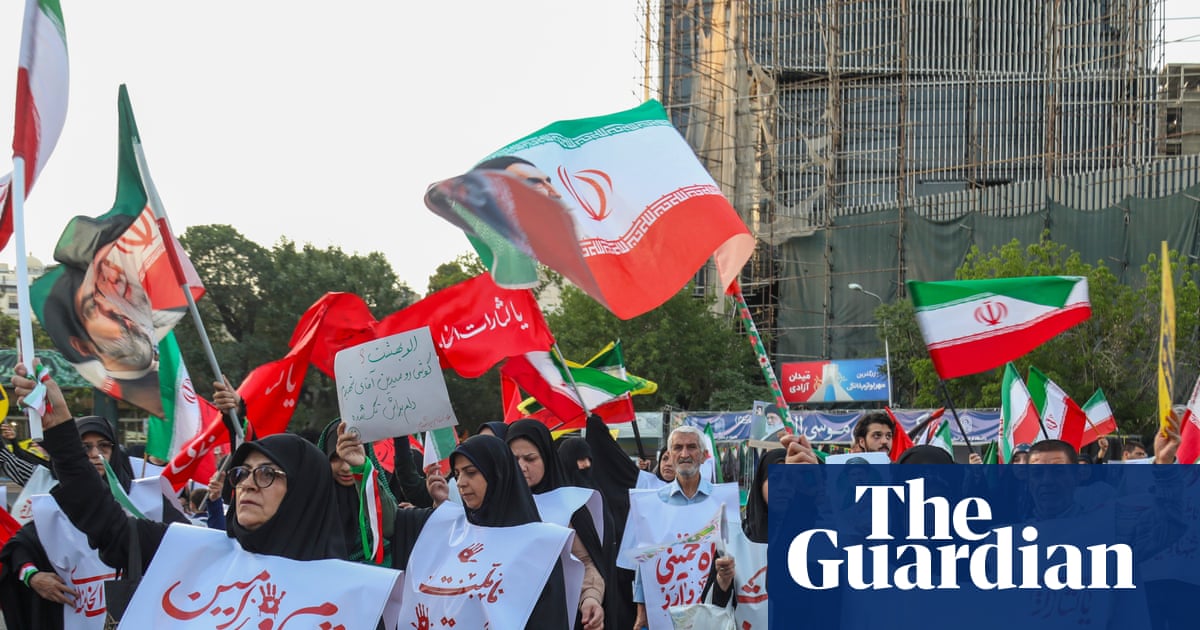
Donald Trump declared on Saturday that the United States is on the brink of signing a significant new agreement with Iran, aimed at preventing the nation from acquiring nuclear weapons. He asserted that this deal could potentially reopen the strategically vital Strait of Hormuz for international shipping, an area crucial for global oil transportation.
Details of the Proposed Agreement
In a post on Truth Social, Trump expressed confidence that Iran would abandon its pursuit of nuclear capabilities. He stated, “They no longer want a Nuclear Weapon, nor will they have one, either through purchase, development, or any other form of procurement.” According to Trump, this agreement is scheduled to be signed imminently, with assurances that all shipping in the Hormuz Strait would resume immediately after the signature. He portrayed the evolving relationship with Iran as markedly improved compared to previous administrations and expressed hope that the process would proceed smoothly. He also hinted at a firm alternative position should the negotiations falter.
Earlier on the same day, indications emerged that a preliminary peace agreement could potentially be finalized within days to end escalating hostilities in the Middle East, though details regarding timelines and agreements varied among involved parties. Pakistan’s Prime Minister, Shehbaz Sharif, mentioned plans for an electronic signing of the deal within 24 hours, paving the way for further talks in subsequent days. Sharif exuded optimism on social media, indicating we are closer than ever to achieving a peace deal that would sustain long-term stability.
Responses from Iran and Concerns
Despite this optimism, Iranian officials expressed caution regarding the timing of the agreement. Esmaeil Baghaei, a spokesperson for Iran’s foreign ministry, stated that while a signing could happen in the near future, it would not occur on the expected date. Tensions remain high, with recent clashes marking one of the most intense periods of conflict since a ceasefire took effect in April.
Amid these developments, Trump recently issued threats to seize Iran’s oil export terminal, further complicating the situation. He claimed a draft agreement had been “approved” by Iranian leadership, despite prior assertive military rhetoric. Historically, Trump has oscillated between asserting imminent deals and reverting to military threats, leading to skepticism on both sides.
Contrasting Claims and Observations
Officials from both the U.S. and Iran seem to be framing the potential deal as a diplomatic victory, claiming significant concessions from both parties. Abbas Araghchi, Iran’s foreign minister, declared that the recent conflict had ultimately positioned Iran as the victor against the U.S. Concurrently, U.S. forces engaged in military actions, such as shooting down drones, showcasing the underlying tension that contradicts the prospects for peace.
The proposed agreement, according to multiple sources, implies a cessation of conflict across various fronts, including Lebanon, while also ensuring the return of $24 billion in frozen Iranian assets. In contrast, U.S. officials state that the deal would demand the dismantling of Iran’s nuclear program and prohibit the release of frozen funds until certain conditions are met, evidencing a stark discrepancy in the perceptions of the agreement.
In conclusion, the ongoing negotiations are a complex web of optimism and skepticism. While both sides are keen to present the agreement as favorable, the reality on the ground remains fraught with challenges. Israeli concerns about the implications of the deal further complicate the diplomatic landscape, highlighting the delicate balance that needs to be addressed to achieve sustainable peace.