
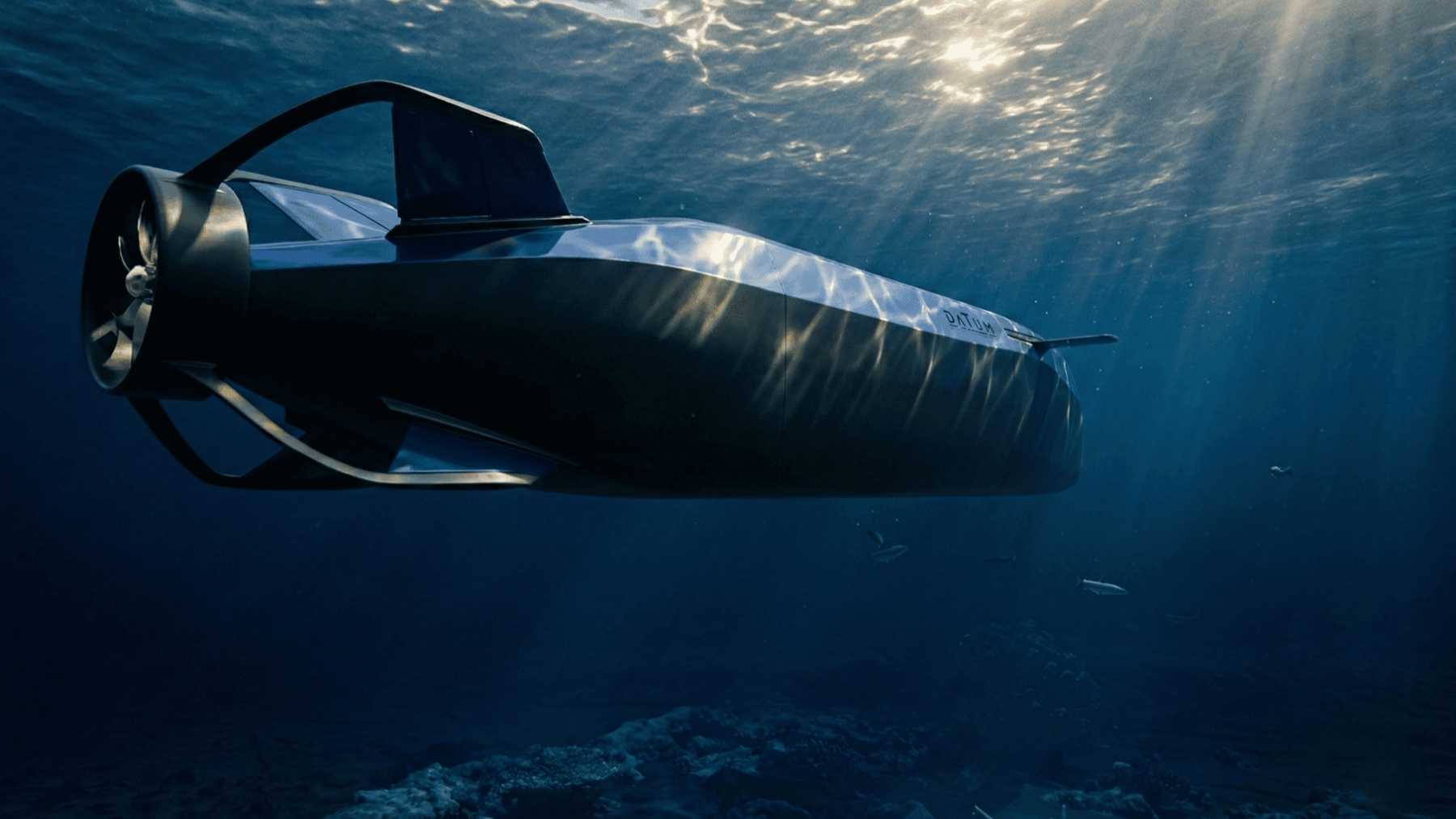
Turkey’s defense sector is making waves with its ambitious entry into underwater warfare. The recent unveiling of the Sinarit uncrewed submarine marks a significant shift in naval capabilities, showcasing how disruptive technology can redefine traditional military strategies. This cutting-edge vessel aims to enhance Turkey’s standing in the global military arena and could potentially alter the dynamics of naval engagements.
Introducing the Sinarit: A New Era in Naval Warfare
The Sinarit stands out as a 19.8-ton uncrewed submarine, designed to operate stealthily under the waves. It has the unique capability to launch an array of unmanned aerial vehicles, anti-ship and land-attack missiles, torpedoes, and more—all from beneath the surface. Unlike conventional submarines, the Sinarit operates without a crew, making it an effective option for modern warfare where risk mitigation is crucial. The design also signifies a departure from traditional naval platforms, pushing the boundaries of how submarines can function and engage in combat scenarios.
However, it’s essential to note that the Sinarit is currently a prototype, with Datum Submarine Technologies presenting only scale models and concept designs thus far. Although ambitious in its specifications, the actualization of these features will depend on substantial developmental phases. Nevertheless, the innovation behind the concept is emblematic of Turkey’s growing capabilities in defense technology.
Capabilities and Design Features
Designed as an extra-large uncrewed underwater vehicle (XLUUV), the Sinarit channelizes its functionality into a reconfigurable cargo area that can accommodate a variety of mission-specific equipment. This flexibility is a significant advantage, as it enables the vessel to adapt quickly based on strategic needs. It can execute tasks ranging from intelligence gathering to mine laying and strike missions, making it a multifunctional asset. The project aims to achieve top speeds of 12 knots on the surface and 8 knots submerged, allowing for tactical mobility.
Moreover, the Sinarit’s construction is optimized for practical deployment, fitting seamlessly in standard shipping containers. This aspect underscores its intended role as a rapidly deployable naval asset, ensuring that logistical ease complements tactical utility. While the specifications might seem modest compared to larger submarines, the design philosophy prioritizes agile operation and ease of deployment over sheer size and weight.
The Stealth Factor and Tactical Advantages
One of the Sinarit’s most compelling features is its stealth capability. As described by Datum’s board chairman, the submarine is designed to be nearly undetectable by radar and satellite, relying instead on advanced sonar technology to navigate. This stealth makes it particularly effective in contested waters where traditional detection methods fail. The limitations of radar in underwater environments grant the Sinarit a significant tactical advantage, positioning it as a formidable threat to maritime security operations.
The stealth profile, combined with the vessel’s payload capabilities, could redefine naval warfare tactics for countries that lack the resources for conventional submarines. The potential for deploying drone swarms or precision missiles from a submerged platform creates new avenues for asymmetric warfare, allowing nations with smaller naval budgets to enhance their maritime strategy significantly.
Looking Ahead: The Future of Turkish Naval Technology
The unveiling of the Sinarit at the SAHA Expo 2026 is more than just an impressive showcase of technology; it reflects Turkey’s broader goal of emerging as a key player in global defense markets. While the road ahead involves rigorous testing and development, the groundwork laid by the Sinarit and similar innovations suggests that Turkey is committed to advancing its military capabilities. Additionally, projects like the ÇAMD mini submarine illustrate the country’s focus on building a comprehensive, domestically produced naval fleet capable of tackling modern challenges.
With an increasing number of countries exploring unmanned solutions, the Sinarit presents a strategic opportunity for Turkey. By leveraging its capabilities in a market often dominated by larger powers, Turkey could foster new defense partnerships and expand its influence. Overall, the Sinarit is not just a product of technological innovation; it embodies a shift in how nations perceive and invest in their maritime security.