
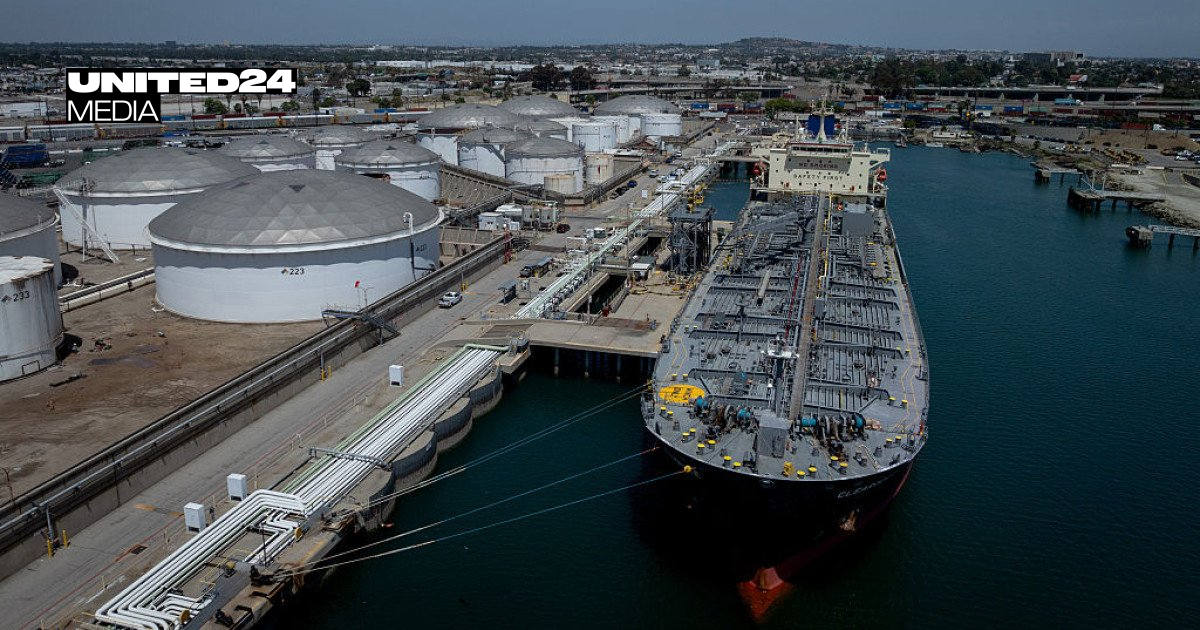
The United States has made a significant leap in the global oil market, becoming the leading oil exporter and fundamentally shifting the longstanding dominance traditionally held by nations like Saudi Arabia and Russia. This transformation underscores the evolving landscape of international energy trade, particularly amid ongoing geopolitical conflicts that have reshaped market dynamics.
The Rise of American Oil Exports
The recent shift in oil exports not only marks a historical turning point for the United States but also signifies a pivot in the global energy hierarchy. Reports indicate that American companies now exert considerable influence over energy markets, largely due to a combination of factors including geopolitical tensions, particularly the ongoing U.S.-Iran conflict. The transformation is especially striking when considering the historical reliance of the United States on Middle Eastern oil, highlighted by the repercussions faced during the 1973 oil embargo.
Since 2010, the surge in shale oil production has propelled the U.S. to prominence within global gas and oil output. Notably, U.S. crude and fuel exports reached approximately 10.5 million barrels per day (bpd) in May, securing the top position for the third consecutive month. Comparatively, Russian exports have dipped significantly to around 7 million bpd, while Saudi Arabia trails with 5.9 million bpd. Just a year earlier, Saudi Arabia was the unequivocal leader in exports, showcasing the dramatic turnaround in oil production capacity.
Strategic Implications of U.S. Dominance
This newfound export leadership provides the United States with a crucial diplomatic tool, further enhancing its global influence alongside its military might and the supremacy of the U.S. dollar. Energy expert Michelle Brouhard emphasizes that U.S. energy exports have emerged as a pivotal asset in the context of diplomatic negotiations, especially since the onset of the Iran conflict. With OPEC’s traditional pricing power weakened, impacted by the UAE’s recent withdrawal from the cartel, the American oversupply poses a significant challenge to the established order of oil governance.
These changing dynamics compel both allies and rivals to rethink their strategies in the global energy market. While European nations have previously looked to U.S. shale as a viable alternative to Russian and Middle Eastern oil, there are growing concerns about becoming overly reliant on American producers. The energy landscape continues to evolve, and leaders are re-evaluating their energy policies amid the uncertainties of the international market.
The Competitive Edge of American Oil Producers
The dominance of U.S. oil exports can be attributed largely to private enterprise rather than government mandates, setting it apart from energy sectors like those in Saudi Arabia and Russia, which are heavily influenced by political decisions. U.S. firms adapt their production levels in response to market fluctuations, effectively acting as a counterbalance to OPEC’s controlled supply mechanisms. This responsiveness has enabled the U.S. to significantly increase its output, allowing it to meet a substantial portion of global demand growth over the last 15 years.
Additionally, as European and Asian nations pivot away from traditional Middle Eastern suppliers, they are increasingly reliant on American oil. In fact, U.S. exports accounted for 47% of Europe’s oil needs this year, with Asian markets also shifting their dependence toward American sources.
In conclusion, the United States’ ascendance as the world’s leading oil exporter is transforming the dynamics of the global energy market. The collaborative effects of geopolitical tensions, strategic production practices, and reactive supply mechanisms are reshaping how nations approach energy sourcing. As the landscape continues to shift, the implications for global economics, trade, and diplomacy could be profound.