
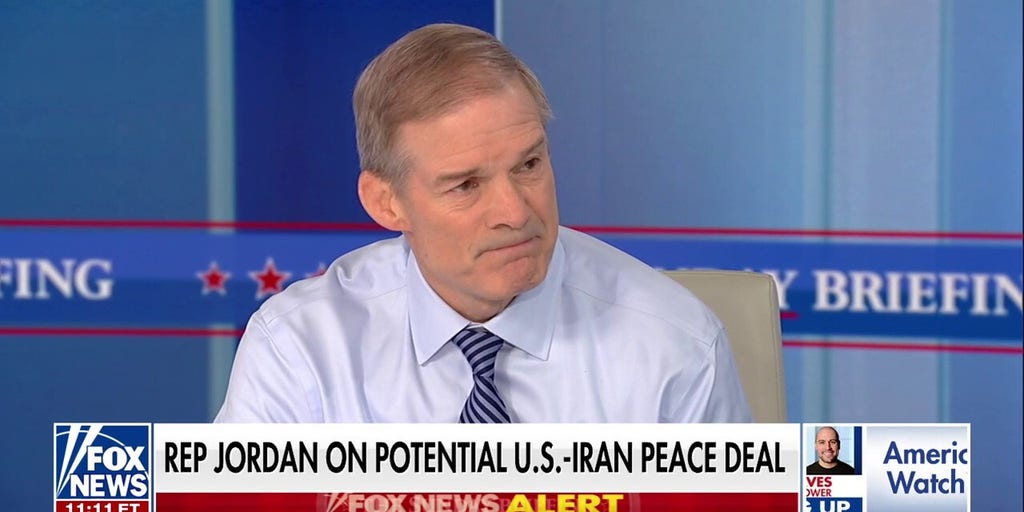
Rep. Jim Jordan, a Republican from Ohio, recently weighed in on significant issues, including President Donald Trump’s attempts to negotiate with Iran and a congressional hearing focused on potential donor fraud linked to ActBlue. His comments shed light on the ongoing political dynamics in the U.S. and the implications for both domestic and foreign policy.
Trump’s Negotiations with Iran
The discussions surrounding President Trump’s outreach to Iran highlight a critical phase in U.S. foreign relations. Trump has consistently advocated for strategic diplomacy aimed at curtailing Iran’s nuclear ambitions. His approach emphasizes negotiation over confrontation, reflecting a shift from previous administrations. Jordan’s remarks suggest that establishing a deal may bolster stability in the region, though skepticism remains regarding Iran’s intentions. Trump’s efforts may represent a pivotal moment, potentially reshaping U.S. engagement in the Middle East.
Despite the challenges and complexities involved in these negotiations, there are underlying implications for national security. Jordan noted that a successful agreement could mitigate threats posed by Iran and its regional proxies. Such a shift might not only impact U.S.-Iran relations but also influence the broader geopolitical landscape, considering Iran’s role in key conflicts in Syria, Iraq, and beyond.
Congressional Hearing on ActBlue and Alleged Donor Fraud
The congressional hearing examining ActBlue is another focal point of Jordan’s commentary. ActBlue, a prominent fundraising platform for progressive candidates, faces scrutiny over accusations of donor fraud. Investigating the integrity of political donations is essential for maintaining transparency within the electoral process. Jordan’s participation underscores the necessity of accountability in campaign finance.
The hearing aims to uncover potential irregularities that could threaten the credibility of campaign contributions. If these allegations hold weight, it could prompt significant legislative changes. Both parties have vested interests in ensuring that the electoral process remains fair, which makes this inquiry a matter of bipartisan concern. Jordan’s position indicates a willingness to confront issues that transcend party lines.
The Intersection of Foreign and Domestic Policy
Jordan’s discussions demonstrate how foreign policy and domestic issues are increasingly interconnected. The ongoing dialogue about Trump’s negotiation strategies with Iran directly relates to national security concerns that resonate within U.S. borders. Similarly, the ActBlue hearing reveals how financial practices can influence electoral integrity, shaping the very foundation of democracy.
These topics highlight the complexities facing U.S. lawmakers in addressing multifaceted challenges. As representatives like Jordan engage with these matters, the outcomes of both international negotiations and domestic policy investigations will significantly influence the political landscape leading into upcoming elections. Their implications will resonate for years, underscoring the vital role of accountability in government actions.
In conclusion, the interplay between foreign negotiations and domestic accountability is crucial for understanding current political dynamics. As discussions lead to tangible outcomes, stakeholders will need to remain vigilant about both international relations and the integrity of electoral processes.