
Saudi Arabia is recalibrating its investment strategy, shifting focus from its ambitious tourism projects like NEOM and the Red Sea resorts toward artificial intelligence (AI). This pivot marks a significant alteration in the country’s Vision 2030 initiative, which initially aimed to diversify its economy away from oil.
The Shift Away from Tourism Ambitions
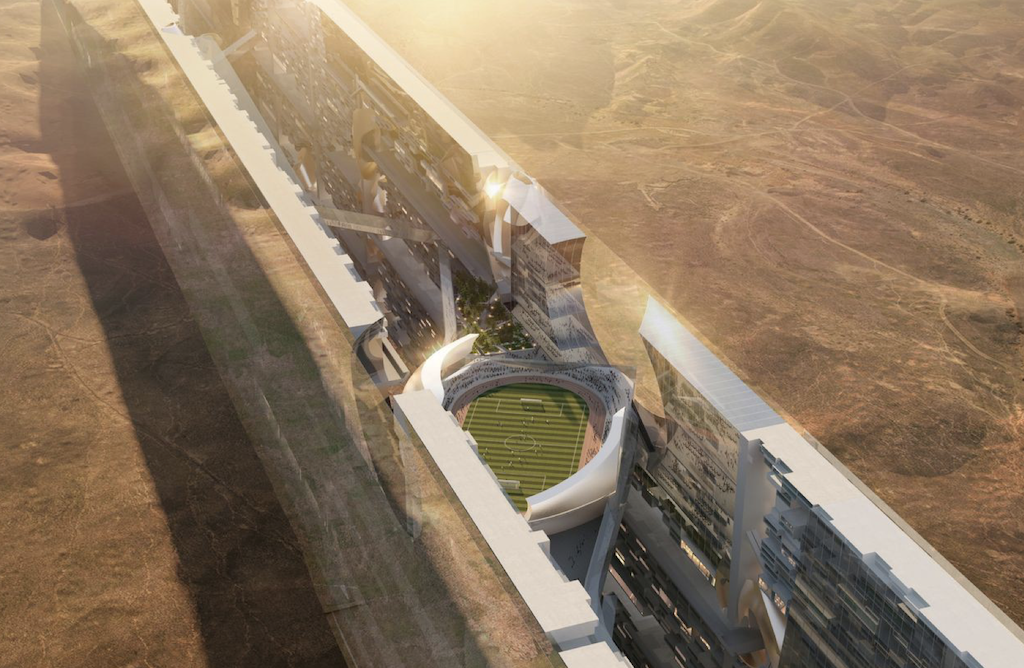
Over the past ten years, Saudi Arabia has promoted a bold vision centered on tourism as a cornerstone of its economic future. The cornerstone project, NEOM, announced in 2017 with a planned investment of $500 billion, was intended to transform the arid landscape into a bustling metropolis. Part of this blueprint included the ambitious linear city known as The Line, a ski resort named Trojena, slated for the 2029 Asian Winter Games, and the luxury yachting island Sindalah. These initiatives, filled with futuristic renderings, captured the world’s imagination, but recent updates suggest that reality is now setting in.
In April, during a briefing on the Public Investment Fund’s (PIF) strategy from 2026 to 2030, PIF governor Yasir Al-Rumayyan revealed a shift in priorities. Funds originally earmarked for tourism projects are being redirected toward AI infrastructure. This suggests that critical elements like NEOM and the Red Sea Project, once viewed as the defining features of a new Saudi Arabia, are now facing significant budget cuts as the government emphasizes more immediate financial returns.
Reductions in Scope and Scale
The adjustments are not minor. The grand visions for projects like The Line have been toned down, while NEOM has faced delays in hotel openings. The Red Sea Project also fell short of its initial proposals, now supporting around nine operational hotels instead of the extensive network of luxury resorts originally planned along the Gulf of Aqaba. This pivot indicates that future investments will likely depend more heavily on private sector involvement, moving away from the previously assumed endless government funding.
What remains of the tourism vision is telling. The PIF continues to invest in aviation infrastructure and significant events that draw measurable demand. Projects like Riyadh Air and expanded airports remain on track, as do plans to host notable global events like Expo 2030 and the 2034 World Cup. However, the grand vision of a desert city appears to have been sidelined. There was perhaps an overestimation of demand for tourist facilities without a robust transportation network in place.
Why This Shift Was Inevitable
The retreat from such ambitious tourism initiatives isn’t unexpected. Building a tourism industry from scratch based on oil-derived wealth is a high-stakes gamble—one reliant on stable oil revenues and an influx of travelers. Given the volatility of energy markets, especially amid geopolitical tensions, a long-term investment in tourism has become riskier. AI presents immediate benefits, making it the more attractive investment choice when shifts in energy prices threaten the foundation of such grand plans.
For prospective travelers, this transformation clarifies the situation more than headlines might suggest. Saudi Arabia’s electronic tourist visa system is streamlined, covering over 60 nationalities with quick online issuance. Quality resorts exist but the expansive sci-fi dream of a mirrored city is not forthcoming. For many, the truthful depiction of Saudi Arabia is that it boasts fascinating experiences now, but planning a trip around uncertain projects could lead to disappointment.
Conclusion
Saudi Arabia is not abandoning the tourism sector; rather, it is recalibrating its ambitions in alignment with present realities. The practical approach—developing a strong aviation hub, a select few impressive resorts, and a calendar filled with global events—may ultimately serve travelers more efficiently than the initially proposed science-fiction vision. The travel industry consistently learns that true demand drives the success of destinations, rather than grand renderings. While the mirrored city concept may still materialize in the future, the current focus on realism is a prudent strategy for the Kingdom.