
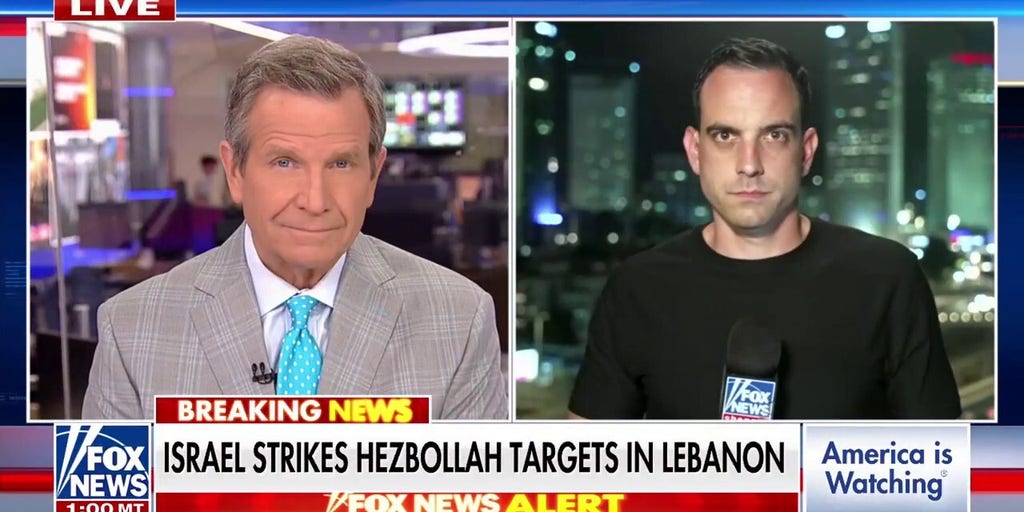
President Donald Trump has recently voiced his hopes for a U.S.-Iran agreement, emphasizing the importance of reopening the Strait of Hormuz and removing blockades on Iranian ports. This optimistic outlook comes amidst rising tensions in the Middle East, notably illustrated by Israeli airstrikes on Hezbollah positions in Beirut. Chief foreign correspondent Trey Yingst provides insights from Tel Aviv as these developments unfold, revealing the intricate interplay of military actions and diplomatic negotiations in the region.
U.S.-Iran Relations: A Path Toward Diplomacy
The ongoing negotiations between the United States and Iran are of paramount significance for stabilizing the Middle East. President Trump’s remarks underscore a willingness to engage in diplomatic dialogue aimed at ensuring security and economic revitalization in Iran. Reopening the Strait of Hormuz, a crucial maritime route for oil shipments, is not merely a matter of trade; it is also a vital strategic interest for many nations around the globe. Lifting blockades on Iranian ports could foster a more cooperative atmosphere, ultimately leading to decreased hostilities.
Israeli Airstrikes: A Response to Regional Threats
In response to the increasing tensions, Israel has launched targeted airstrikes against Hezbollah positions in Lebanon. These military actions follow recent incidents involving drone fire from these militant groups, heightening fears of escalating violence. The strikes are indicative of Israel’s proactive defense measures and serve as a message to both Iran and its proxies not to disregard Israel’s security. However, such actions raise questions about their impact on ongoing peace efforts, complicated by the military maneuvers on both sides.
The Ripple Effect on Broader Geopolitical Stability
The instability in this area has far-reaching implications, not just for the immediate players. A conflict between Iran and Israel can easily escalate, drawing in regional allies and further complicating U.S. efforts to mediate. The dynamics between various factions, including Hezbollah and other Iranian-backed groups, add layers of complexity to an already tense situation. If these hostilities continue, the potential for a broader confrontation increases, undermining any hopes for a peaceful resolution.
Challenges Ahead in Diplomatic Negotiations
As the situation unfolds, the challenge remains for diplomats in navigating these turbulent waters. Achieving a sustainable agreement with Iran will require addressing not only nuclear concerns but also broader geopolitical factors, including Iranian influence in Iraq, Syria, and Lebanon. The recent military actions by Israel serve as a stark reminder of the pressing need for comprehensive strategies that encompass security, economic cooperation, and regional peace.
The optimism from the U.S. administration is significant; however, it remains to be seen whether this optimism can translate into tangible actions that benefit all parties involved. As world leaders closely watch these developments, the balancing act between military action and diplomatic negotiations will be critical in determining the future stability of the Middle East.