
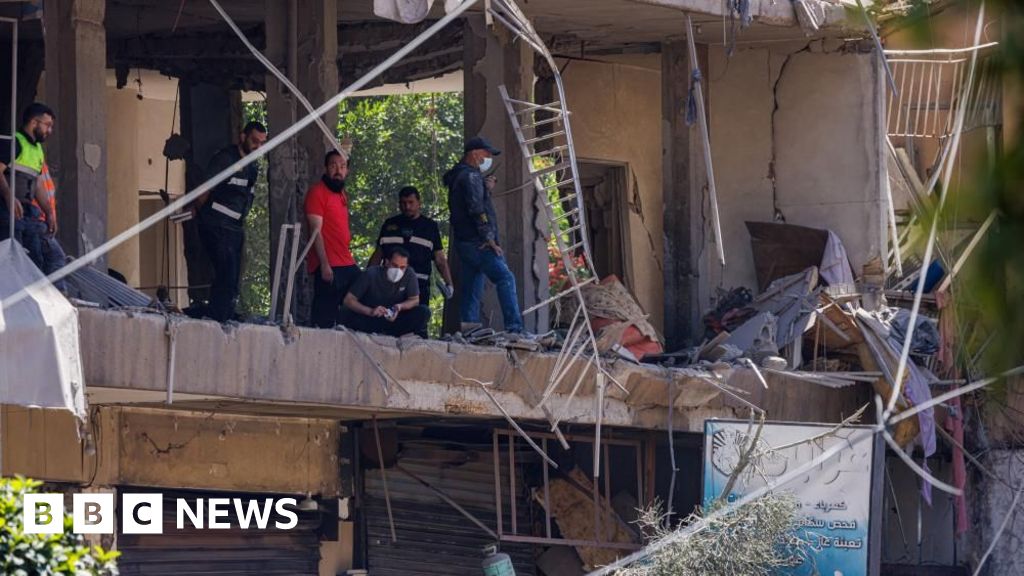
The ongoing tension in the Middle East has escalated, particularly with Israel’s recent military actions against Hezbollah, the Iran-supported militant group. This conflict has significant implications, especially for potential diplomatic efforts between the United States and Iran that aim to de-escalate the situation.
Israel’s Strategic Targeting of Hezbollah
In a decisive move, Israel has launched targeted operations aimed at Hezbollah, perceiving the group as a substantial threat. These strikes are part of Israel’s broader strategy to deter attacks and undermine Hezbollah’s military capabilities. The Israeli government communicates a clear message: any aggression will be met with a robust response. This action underscores the complexity of the regional dynamics, where various players are constantly vying for power and influence.
Iran’s Response and Diplomatic Concerns
In response to Israel’s military actions, Iranian officials have expressed their concerns, warning that this could jeopardize ongoing diplomatic negotiations with the United States. Iran perceives these Israeli operations not just as military aggression but also as a significant obstacle to reaching a peaceful resolution. The potential derailment of discussions could exacerbate tensions, as all parties involved seek to maintain their strategic positions.
The Broader Implications for US-Iran Relations
The friction between Israel and Hezbollah holds consequences far beyond the immediate conflict. For the United States, navigating this situation requires deft diplomatic maneuvering to prevent further escalation. The U.S. aims to engage Iran in discussions that could stabilize the region, yet military provocations complicate these efforts. Both countries have vested interests in the outcome, which makes the stakes substantially higher.
The potential for a miscalculated response from either side raises concerns about an expanded conflict. As hostilities increase, the possibility of unintentional escalations looms large, further entrenching adversarial stances. In this already volatile landscape, the complexities of international relations become even more pronounced, creating a challenging environment for peace.
Conclusion: Navigating a Fragile Situation
The situation remains remarkably fragile, with Israel’s actions against Hezbollah shaking the already delicate balance in the region. As the world watches, the impacts of these developments will likely resonate across various geopolitical landscapes, influencing not only Israel and Iran but also the broader Middle Eastern environment. For leaders in Washington, the imperative is to strike a balance between asserting power and pursuing paths to peaceful dialogue. The resolution of this conflict will demand intricate negotiations and a commitment from all parties to avert a deeper crisis.