
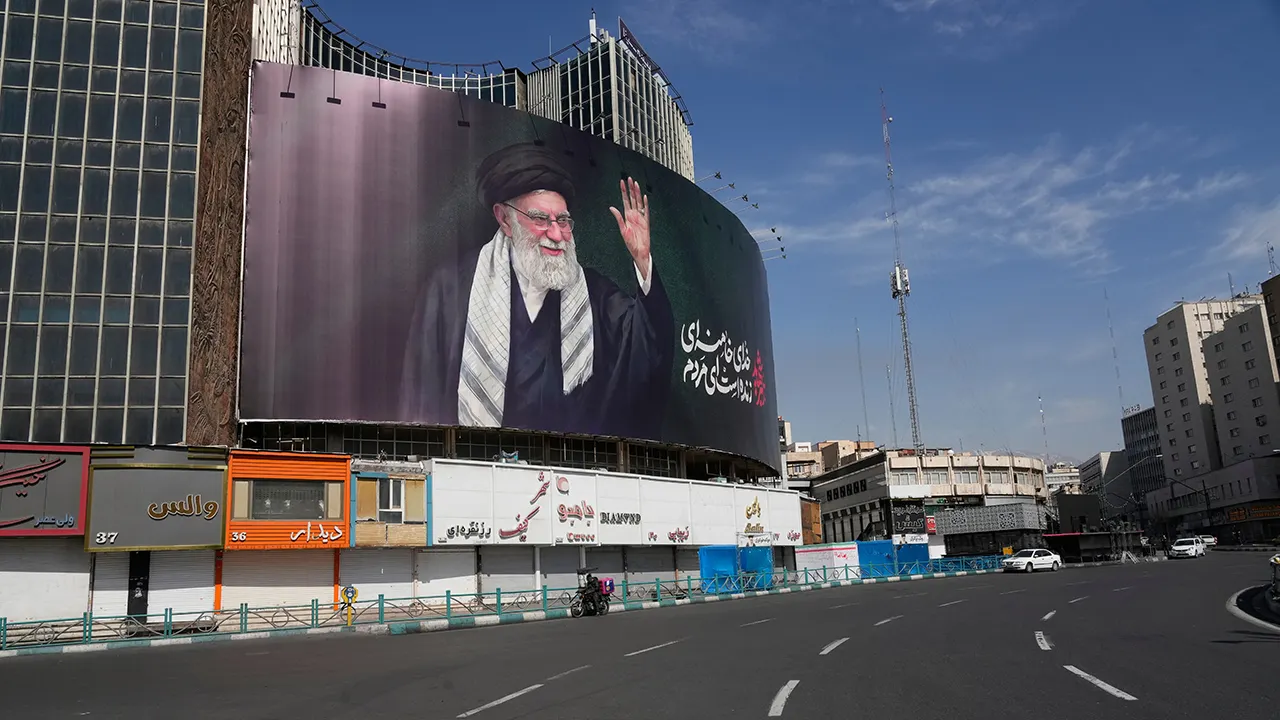
The recent memorandum of understanding (MOU) between Iran and the United States has stirred significant debate and attention. Set to be formalized in a signing ceremony on June 19 in Switzerland, the agreement promises to reopen the pivotal Strait of Hormuz and address Tehran’s controversial nuclear ambitions, with Iranian state media celebrating this as a decisive victory over the U.S. and Israel.
Iran Celebrates Diplomatic Gains
Iran’s state-run media has framed the MOU as a triumph, portraying the U.S. as compelled to engage in negotiations that signal a winding down of hostilities. According to reports, the U.S. State Department has labeled Iran as the world’s foremost state sponsor of terrorism, further complicating the narrative. The agreement, as presented by Iranian officials, is said to be steeped in skepticism, with Deputy Foreign Minister Kazem Gharibabadi reaffirming this mistrust in remarks made to the Tasnim News Agency. He emphasized that the MOU contains provisions aimed at ensuring U.S. compliance, reflecting an underlying wariness inherent in the negotiations.
Implications of the MOU
As discussions continue about the potential implications of this MOU, officials from both sides are optimistic about its potential to foster stability. Notably, President Trump has touted the agreement’s benefits, indicating it would enable the resumption of oil transportation through the Strait of Hormuz, crucial for global trade. The lifting of the naval blockade is among the agreement’s primary objectives, although details surrounding sanctions relief and nuclear capabilities remain unclear. Iranian Foreign Minister Abbas Araghchi stressed that national unity and public engagement are central to Iran’s diplomatic efforts, highlighting a dual narrative of resilience against external pressures.
However, skepticism remains regarding Iran’s true intentions. Experts caution about the Islamic Republic’s historical patterns of behavior, characterized by what many describe as delays and deceit in negotiations. Insights from Lisa Daftari, a noted analyst, suggest that the Iranian regime may perceive this agreement as yet another tactical maneuver rather than a step toward genuine reform. She highlights the recurring themes of mistrust and the likelihood that Iran will exploit any loopholes while pursuing its military ambitions.
The Broader Regional Context
The MOU takes place against a backdrop of regional instability and ongoing tensions, with Iran’s influence in areas such as Lebanon and Syria being points of contention. The Iranian Supreme National Security Council has reportedly stated that military operations in these regions will cease with the MOU’s implementation. Nonetheless, skepticism about Iran’s willingness to actually curtail its aggressive posturing persists, as analysts point to a long-standing strategy of enhancing military capabilities amid diplomacy.
Opposition figures within Iran have voiced conflicting sentiments about the MOU. Some view it as a potential opportunity for peace, while others argue that the regime’s focus on nuclear development and regional meddling will continue unabated. Leaders from various Iranian opposition groups assert their commitment to promoting freedom in Iran, emphasizing that any lasting change must come from within the country rather than through external agreements.
In summary, the forthcoming MOU between Iran and the United States represents a significant diplomatic effort with potential global implications. While proponents herald it as a step towards peace, critics urge caution, reminding observers of the complexities and historical contexts essential to understanding Iran’s actions. Whether this agreement signifies a genuine turning point or merely a momentary lull in hostilities remains to be seen.