
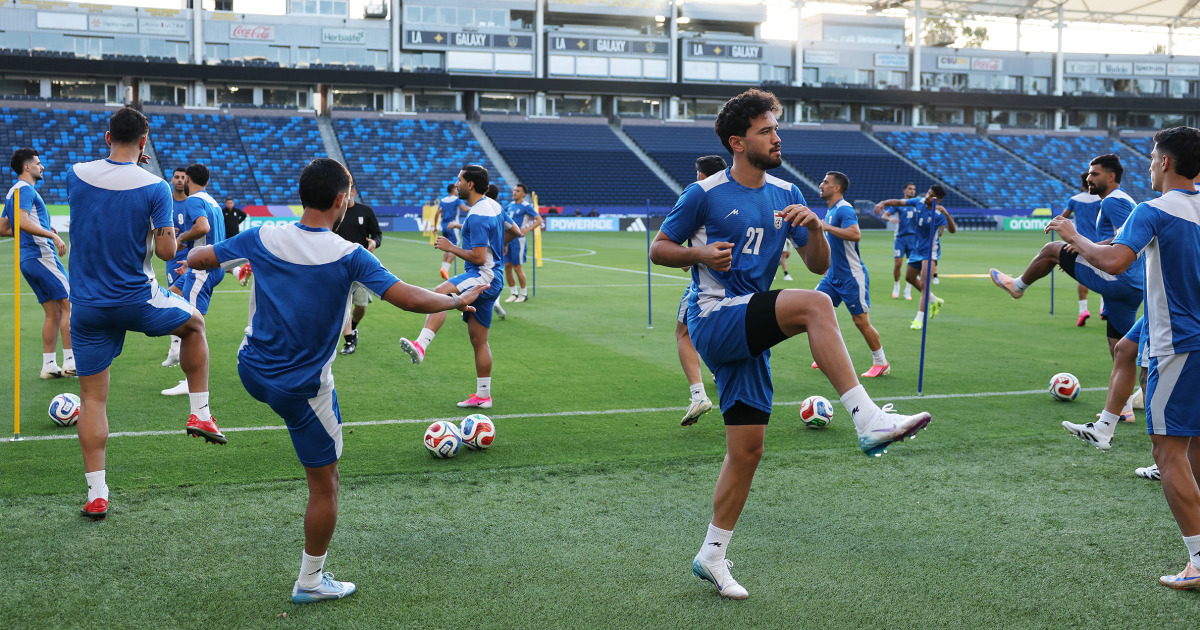
Iranian Americans Find Divided Opinions on World Cup Participation
As Iran approaches its first match in the World Cup, the Iranian American community in Southern California faces a poignant dilemma. While some embrace the opportunity to support their national team, others plan to protest, reflecting deep-seated concerns about the regime back home.
Community Split: Supporters vs. Protesters
A rally is set to take place near the stadium where the Iranian team is scheduled to play. The area is home to “Tehrangeles”—a vibrant hub for Iranian culture and community in America, established by many who migrated following the Islamic Revolution. Protesters intend to don historical lion-and-sun T-shirts, symbolizing a time before the 1979 revolution, as they express outrage over the government’s recent violent crackdowns during demonstrations. The juxtaposition of joyous celebration and heartfelt protest captures the complexity of the situation.
Many community members, like Ali Javahery, a 59-year-old consultant, find themselves at a crossroads. Javahery passionately argues that the intersection of soccer and politics is unavoidable. He plans to stand outside the stadium in protest rather than cheer from the sidelines, believing that the players are less representatives of a united nation and more mouthpieces for a government he opposes. “This isn’t ‘Team Melli’; it’s ‘Team Islamic Republic,'” he emphasizes, highlighting the conflict between national pride and political allegiance.
Mixed Feelings on Cultural Representation
The sentiment surrounding Iran’s World Cup participation is decidedly mixed. While team captain Mehdi Taremi expresses a desire to unify all Iranians, those in the diaspora remain skeptical. Some individuals, like Reza Garajedaghi, feel capable of enjoying the sport while simultaneously recognizing the prevailing political issues back home. Garajedaghi, who will watch the match with his elderly father, believes the national team reflects the broader Iranian diaspora—regardless of the current regime.
The political context surrounding the World Cup adds another layer of complexity. In response to rising tensions between Iran and the U.S., the national team’s preparation was complicated by logistical issues, such as visa denials for key officials. Given these realities, many diaspora members grapple with how best to support their athletes while distancing themselves from the Iranian government.
Calls for Political Expression Amid FIFA Restrictions
Adding to the divide is FIFA’s ban on political symbols. Many Iranian Americans wish to display the pre-revolution flag but are constrained by regulations prohibiting such expressions. The Iranian American Institute for Voices for Liberty recently filed a lawsuit challenging these restrictions, which further deepens community frustrations.
As tensions continue, gatherings to support the team morph into platforms for protest, creating fissures within the community. At a recent event, boos greeted Iran’s flag, a reflection of the mixed feelings residents harbor. For many, supporting the team is not merely about soccer; it’s a political statement against the regime that many fled.
In this climate of division and complexity, the Iranian American experience during the World Cup serves as a microcosm of the broader struggles many face—where cultural pride clashes with political realities, and sporting events expose the underlying tensions of a unique diaspora.