
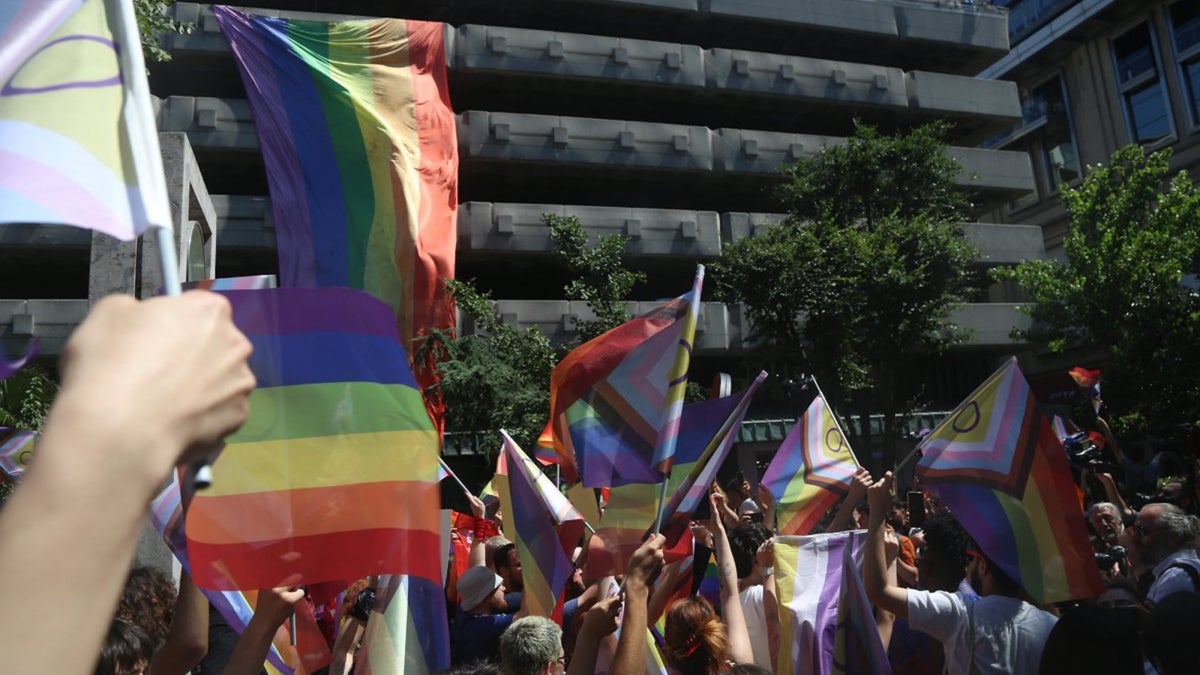
As Hungary takes a step towards progress by dismissing charges against the organizers of a Pride March, Türkiye seems to be heading in a completely different direction, with alarming proposals aimed at criminalizing the LGBT community. This contrasting approach highlights the stark divide in how different nations are navigating issues of human rights and inclusivity.
Shifting Paradigms in Hungary
Hungary’s recent decision to abandon criminal charges against the organizers of the Pride March represents a significant shift in its approach toward LGBT rights. For years, the country’s government has faced criticism for its regression in civil liberties, marked by various laws that targeted sexual minorities. However, this new decision signals a potential thawing of hostilities towards the LGBT community, suggesting that advocacy efforts may be making a positive impact. The country is grappling with balancing its deeply rooted cultural traditions with the global push for equality and acceptance.
In this context, it’s essential to acknowledge the contributions of activists and organizations that tirelessly worked to bring attention to these issues. Their ongoing efforts have influenced public perception and policy, creating an environment where change is not just desired but necessary. This encouraging movement in Hungary contrasts starkly with the growing anti-LGBT sentiment in other regions, notably Türkiye.
Türkiye’s Alarming Legislative Proposals
While Hungary appears to be making strides in favor of LGBT rights, Türkiye is moving in the opposite direction. Recent legislative proposals suggest that the Turkish government is considering measures that would criminalize the LGBTQ+ community, including potential jail time for engaging in activities associated with sexual orientation or gender identity. This alarming trend raises serious concerns about the human rights situation in Türkiye and the potential for increased discrimination and violence against LGBT individuals.
The proposed legislation has sparked outrage not just within Türkiye but also from international human rights organizations. Many argue that such measures not only violate fundamental human rights but also risk escalating tensions and societal division. The response from activist groups has been quick, organizing protests and mobilizing support to oppose these regressive laws. It is a stark reminder of the constant struggle for acceptance and human dignity faced by the LGBT community in many parts of the world.
The Broader Implications for Human Rights
The diverging paths of Hungary and Türkiye illustrate the varying attitudes towards LGBT rights globally. As countries like Hungary seem to shift towards inclusivity, places like Türkiye serve as cautionary tales of the potential setbacks that can occur when governments choose to suppress rather than uplift marginalized communities.
This juxtaposition raises critical questions about the role of international pressure and community activism in influencing policies and societal attitudes. The global community must remain vigilant, offering support and solidarity to those fighting against oppression. Ultimately, the ongoing dialogue about human rights and equal treatment is vital for fostering change and ensuring that dignity is upheld for all individuals, regardless of their sexual orientation or gender identity.
In conclusion, as we watch the developments in Hungary and Türkiye, it becomes increasingly clear that the fight for LGBT rights is far from over. The commitment to advocacy, education, and international solidarity will play a crucial role in shaping a future where everyone can live authentically and without fear of persecution.