
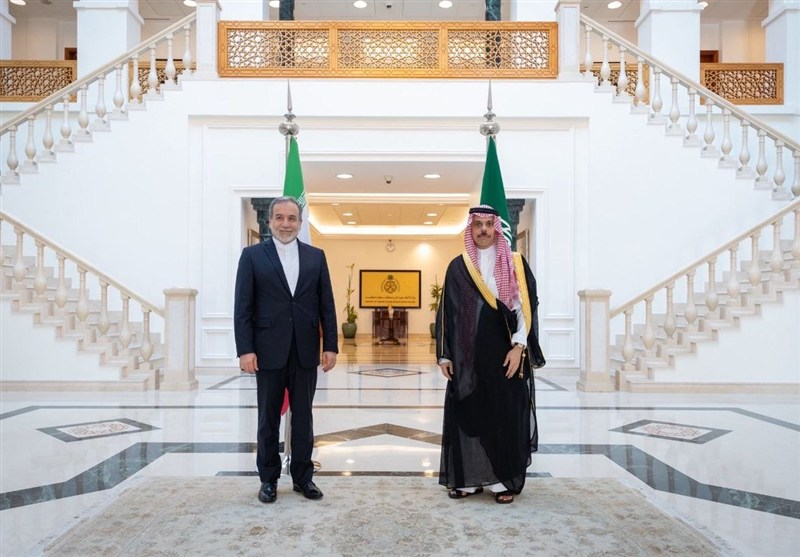
Iranian Foreign Minister Abbas Araqchi has acknowledged the significant contribution of Saudi Arabia in the diplomatic efforts to mitigate the ongoing conflicts fueled by Western interventions. His remarks highlight the importance of cooperation among regional players for achieving stability and security in the Middle East.
The Diplomatic Role of Saudi Arabia
Abbas Araqchi’s commendation of Saudi Arabia underscores its pivotal role in facilitating dialogue aimed at resolving tensions in the region. By engaging in diplomatic discussions, Saudi Arabia not only contributes to alleviating the impact of the conflicts but also positions itself as a leader in promoting peace. The relationship between Iran and Saudi Arabia has historically been complex, but recent moves suggest a potential for collaboration in addressing shared challenges.
Impact on Regional Stability
The Iranian Foreign Minister’s comments emphasize that constructive dialogue among Middle Eastern nations is crucial for fostering regional stability. The ongoing unrest, often exacerbated by external forces, requires a united front from neighboring countries to effectively tackle the issues at hand. By recognizing Saudi Arabia’s influence in this context, Araqchi advocates for a concerted effort by regional actors to find lasting solutions.
Combatting External Agendas
Araqi’s statements also draw attention to the need for the region to combat external influences that seek to perpetuate conflict. The historical intervention from the US and the Zionist regime has contributed to a volatile environment, and the pursuit of peace necessitates a collective approach to counter these aggressive actions. By fostering an atmosphere of dialogue, countries like Iran and Saudi Arabia can better resist foreign agendas that aim to destabilize the region.
Future Prospects for Cooperation
Looking ahead, the potential for improved relations between Iran and Saudi Arabia appears promising, especially with the backing of diplomatic efforts applauded by key figures such as Abbas Araqchi. Strengthening communication channels and working towards mutual understanding can pave the way for a more peaceful Middle East. The call for cooperation is not only strategic; it reflects a shared interest in mitigating the humanitarian crises resulting from prolonged conflicts.
In summary, the acknowledgment of Saudi Arabia’s role in fostering dialogue illustrates a shift toward constructive diplomacy in the region. As countries come together to confront challenges posed by external forces, the prospects for lasting peace and stability grow more favorable. The commitment to diplomatic engagement and cooperation will be crucial in shaping the future of Middle Eastern relations and promoting security for all nations involved.