
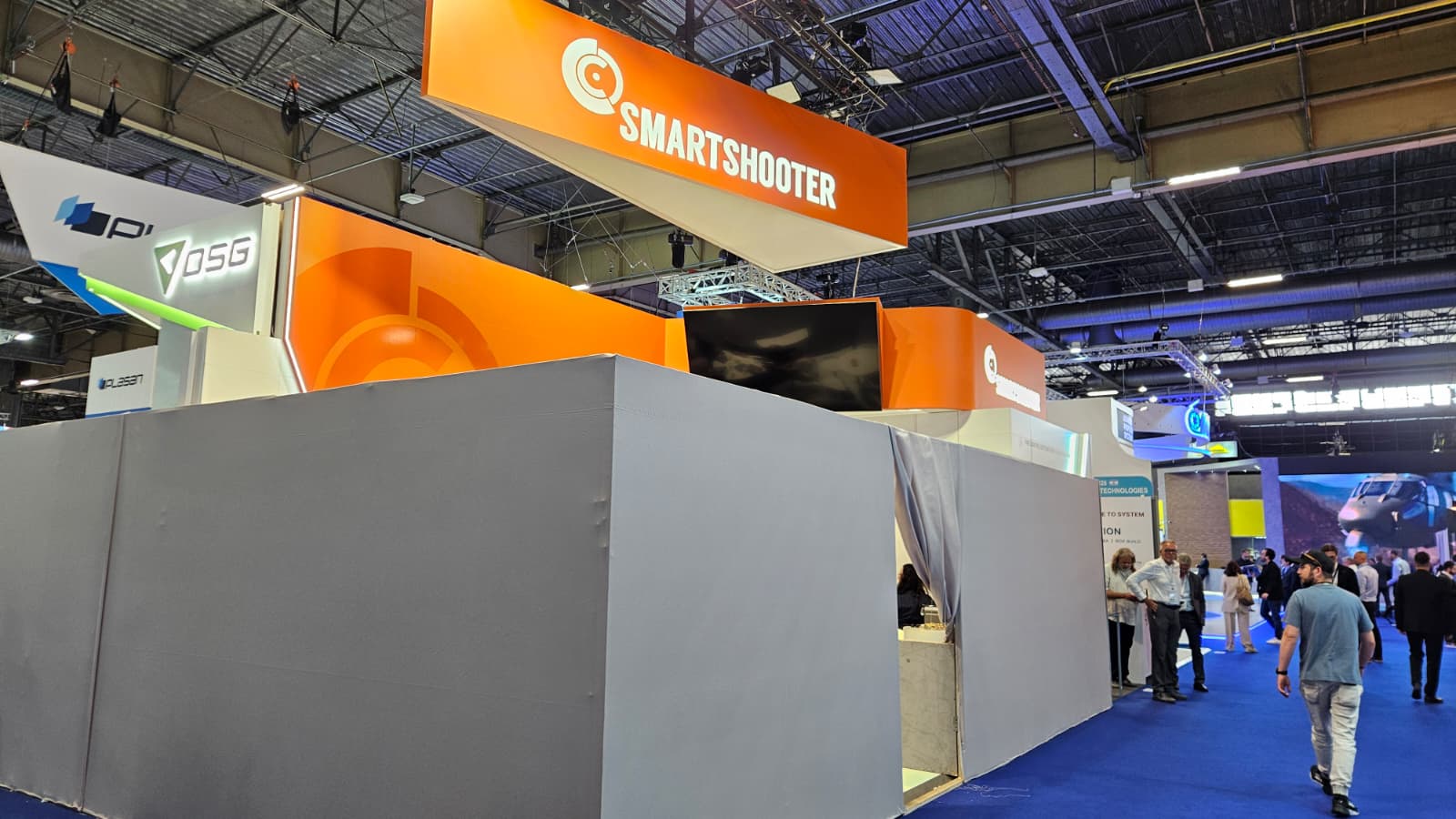
The Israeli Ministry of Defense has voiced strong criticism against perceived biased actions that limit the representation of Israeli companies at the Eurosatory defense exhibition in France. In response to these restrictions, the event organizers have claimed that the exhibits violated regulations set by the French government.
Concerns Over Discriminatory Practices
The Israeli Ministry of Defense condemned the abrupt closure of Israeli defense industry pavilions at Eurosatory, stating that these companies complied with the French government’s stringent requirements and showcased only defensive solutions. The Ministry’s statement described the actions as “cynical” and “discriminatory,” aimed at sidelining Israeli technological innovations that are well-regarded for their effectiveness in various regions, particularly in the Middle East.
Exhibit Adjustments and Restrictions
While some of the major Israeli defense firms such as Elbit Systems and Israel Aerospace Industries managed to keep their booths open, they noticeably lacked the munitions and models commonly displayed at such exhibitions. Elbit opted to showcase a promotional video featuring its directed energy systems instead of physical products. In contrast, many smaller Israeli companies faced harsher restrictions, with their booths entirely sealed off by temporary walls, echoing similar actions against Israeli firms at past events like the 2025 Paris Air Show.
Elbit Systems’ VP for strategy and business development in North America, Michael Edelstein, revealed that the company had proactively prepared for the exhibit limitations but still had to withdraw an intelligence system from their presentation area due to a visit from event organizers. A representative from Rafael, another prominent Israeli firm, expressed their disappointment at the closures affecting some booths but maintained that their operations continued as planned, with forthcoming announcements and meetings still on the table.
Political Context and Reactions
Earlier in the month, the Israeli Ministry had stated that the French government prohibited official Israeli participation at Eurosatory, specifying that only air defense products were permitted, excluding offensive systems altogether. The Ministry denounced this decree as a “disgraceful decision,” suggesting that it was motivated more by political maneuvering than genuine security concerns.
The organizers of Eurosatory, Coges Events, clarified the rules governing exhibitors, stating that only materials linked to anti-air and anti-ballistic missile capabilities were allowed. Subsequently, they indicated that booths failing to comply with these stipulations were closed down.
Broader Implications and Market Dynamics
Beyond the immediate restrictions, Edelstein pointed out that the actions taken by the French government might not solely hinge on geopolitical issues but could also reflect competitive anxieties. Israeli defense solutions have seen escalating success globally, posing potential challenges to traditional market dominance held by French manufacturers. The Israeli Ministry echoed this sentiment, asserting that they would continue to push for global recognition of Israeli defense capabilities despite opposing efforts.
As the Eurosatory exhibition progresses, it occurs shortly after a largely controversy-free aerospace show in Germany, illustrating a contrasting environment where Israeli firms operated without any significant geopolitical tension. In light of these developments, both the participants and observers will be keen to see how the dynamics between Israeli firms and European markets evolve in the aftermath of these contentious restrictions.