
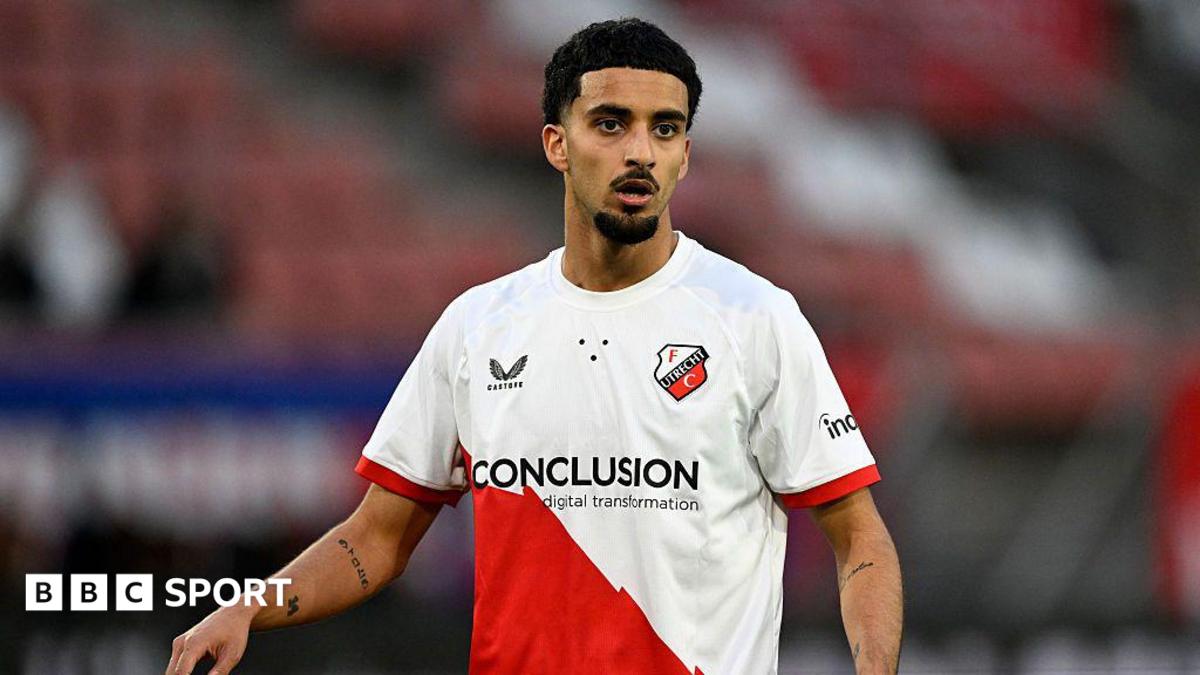
A significant milestone for both Iraq and Pakistan could unfold during the upcoming men’s World Cup match, with former Manchester United prospect Zidane Iqbal set to make history. Although he will be donning the Iraqi jersey, his heritage carries exceptional importance for millions in Pakistan, where football has yet to see glory on the World Cup stage.
Historic Representation in Football
Iqbal’s participation is especially poignant for a country of over 240 million people—identified as the fifth most populous nation worldwide—whose football journey has been fraught with challenges. Pakistan’s national football team has an unimpressive record, having won only one qualifying match in its entire history. Currently positioned at 198th in FIFA’s global rankings, Pakistan ranks among the lowest-performing footballing nations. Consequently, the opportunity for any player representing Pakistan at such a prestigious event has never been realized, making Iqbal’s potential debut even more remarkable.
A Dual Heritage of Pride
Zidane Iqbal is not just an athlete but also a bridge between cultures. Born and raised in Manchester, he proudly reflects his Pakistani roots through his father while embracing his Iraqi lineage via his mother. At just 23 years of age, Iqbal has quickly garnered attention in football circles, particularly for acknowledging the significance of both heritages in his career. “I didn’t even know I was the first player of Pakistani descent to participate in a men’s World Cup,” he shared, expressing both surprise and pride in this realization.
His deep family ties shape his identity, as he recounts the influence his father has had on his journey. “My dad is Pakistani, the man I respect the most,” he emphasizes, underscoring the role of family in his success and aspirations. As a dual citizen of cultures, Iqbal chooses to exhibit his pride by wearing both Iraqi and Pakistani flags on his boots, symbolizing his respect for both sides of his family background.
Symbol of Unity and Respect
His decision to showcase both flags on the field is not merely a fashion statement; it’s a representation of unity and respect. “I wear the Iraqi flag on my left side and the Pakistani flag on my right side,” Iqbal explains, emphasizing that he feels equally connected to both nations. This thoughtful gesture demonstrates his commitment to both heritages and makes a broader statement about multiculturalism in sports.
When asked which country he feels more aligned with, Iqbal thoughtfully responds, “I can’t answer that. For me, they’re both equal.” His attitude reflects the growing acceptance and celebration of diverse identities in sports, adding depth to this landmark occasion.
In essence, Zidane Iqbal’s anticipated appearance in the World Cup could serve as an inspiration for aspiring athletes, particularly those from underrepresented communities. This unique intersection of identities not only enriches the narrative of football but also shines a light on the need for diversity within the sport. As Iqbal prepares to etch his name in the history books, he stands not only as a player for Iraq but also as a symbol of pride and hope for countless fans in Pakistan.