
Iran’s Diplomatic Moves and Regional Stability
In a significant development, Iran’s foreign minister recently stated that a potential agreement with the United States to end their ongoing conflict hinges primarily on Israel’s withdrawal from southern Lebanon. This demand, however, appears to contradict statements from Israeli leaders, who have outright rejected the condition. The implications of these negotiations could be profound, potentially reigniting open warfare in the region if a consensus is not reached.
The Complex Landscape of the US-Iran Agreement
The specifics of the proposed accord between the U.S. and Iran remain largely undisclosed, with varying interpretations from officials about its contents. While Israel is not a direct signatory to the agreement, its military actions in Lebanon place it firmly in the middle of ongoing hostilities. The Israeli Air Force has participated in strikes against Iranian positions, and its forces have clashed with Hezbollah, a militia group backed by Iran. These military engagements raise concerns that any unsupported Israeli claims regarding the agreement may undermine a truce that aims to restore stability in the region.
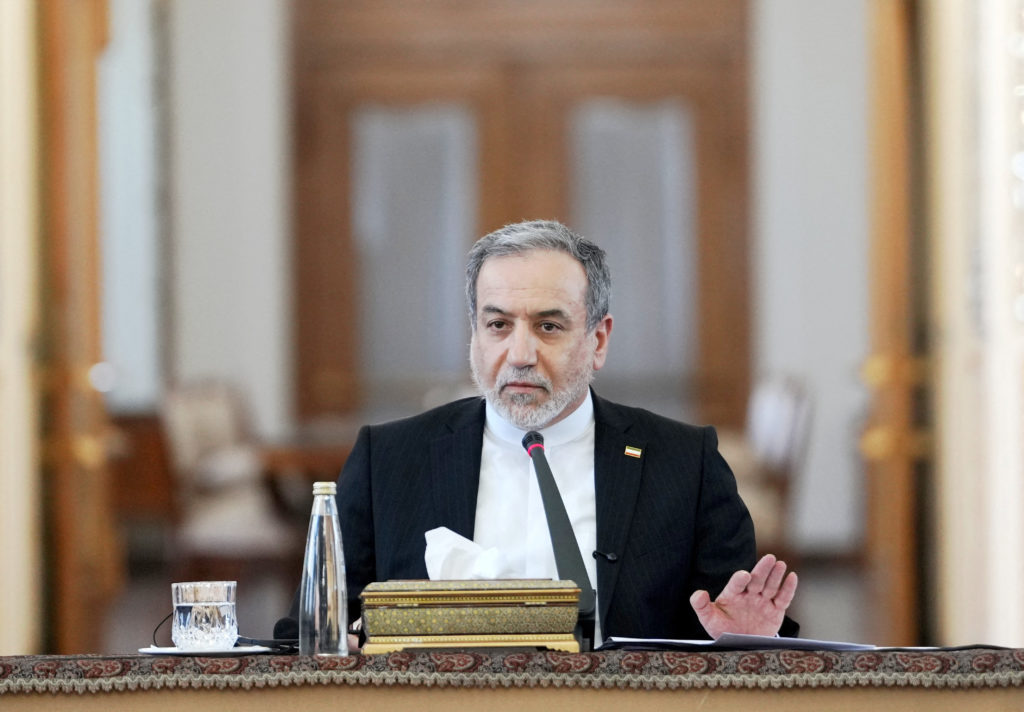
Iranian Foreign Minister Abbas Araghchi emphasized that Israel’s ongoing presence in Lebanon would nullify the peace deal. He stressed that until Israeli forces withdraw from territories captured during recent conflicts, the war’s conclusion remains uncertain. In contrast, U.S. officials have indicated that the agreement does not specifically mandate Israel’s withdrawal. Israeli Prime Minister Benjamin Netanyahu has publicly affirmed that Israeli troops will stay in Lebanon “as long as necessary,” further complicating prospects for peace.
Lebanon’s Role and Regional Tensions
Lebanon’s involvement in the proposed agreement adds another layer of complexity. With Iran insisting on the inclusion of Lebanese ceasefire terms in the final pact, Israel now faces a dilemma: to strike against Hezbollah while maintaining a working relationship with the U.S. and pursuing a peace agreement. Following Hezbollah’s missile attacks on Israel, the Israeli military ramped up its operations, with significant incursions into Lebanese territory. The question remains whether Israel’s military actions can effectively decrease Hezbollah’s capabilities without causing irreversible harm to the peace talks.
Recent discussions among negotiators from Pakistan and Qatar have revealed plans for a formal signing ceremony in Switzerland, which signals a possible diplomatic breakthrough. Yet, the underlying tension remains as Lebanese officials grapple with their own negotiations, trying to shield their interests from being uprooted by external pressures.
Regional Implications and International Reactions
As international leaders gather for the G7 summit, the broader repercussions of the U.S.-Iran agreement are closely scrutinized. Despite uncertainties surrounding the deal, countries like France and the UK have expressed support for what they term a “diplomatic breakthrough.” They see this potential truce as crucial in stabilizing a region that has suffered immense human and economic losses due to the conflict.
While details about the proposed agreement, including the fate of Iran’s nuclear program and the timing of sanctions relief, remain ambiguous, the United States appears committed to further negotiations. Regional leaders hope that by establishing a ceasefire, they can not only stabilize Lebanon and quell Iranian influence but also revive trade and humanitarian efforts that have suffered due to prolonged hostilities.
As the G7 leaders continue their discussions, they emphasize the importance of collaboration in ensuring the deal’s success. However, until all parties reach a consensus, including Israel and Lebanon, the specter of renewed conflict looms over the region. The coming weeks will be pivotal in determining whether diplomatic efforts can effectively replace the cycles of violence that have plagued the Middle East for far too long.