
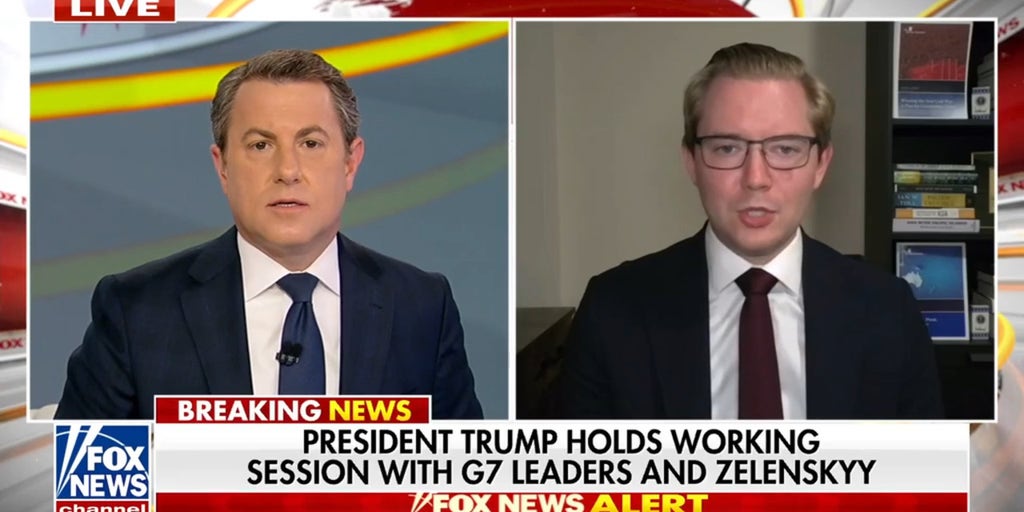
The relationship between the United States and Qatar is of paramount importance in the context of Middle Eastern stability and the enforcement of agreements concerning Iran. As tensions in the region intensify, the insights shared by Andrew Harding from the Heritage Foundation highlight the strategic significance of this alliance, emphasizing both political and economic dimensions.
The Role of Qatar as a Mediator
Qatar’s involvement in the Middle East extends beyond its borders, positioning it as a crucial mediator in regional disputes. The tiny Gulf nation has taken on various diplomatic roles, facilitating dialogue between conflicting parties and fostering peaceful resolutions. Harding points out that this diplomatic engagement is vital for U.S. interests in the region, particularly regarding the ongoing negotiations surrounding Iran. By maintaining a strong relationship with Qatar, the U.S. can leverage its influence to encourage stability and prevent further escalation of conflict.
Significance of Military Presence
The presence of a large U.S. military base in Qatar adds another layer to this essential partnership. This base is not just a strategic asset; it is also a symbol of U.S. commitment to regional security. In times of rising tensions, having a reliable ally bolsters operational capabilities and quick response times. Harding emphasizes that Qatar’s geographic location offers a strategic advantage, enabling swift military support if necessary. This military cooperation reinforces the importance of maintaining a strong and cooperative U.S.-Qatar relationship.
Economic Investments Foster Deeper Ties
Beyond political and military connections, Qatar’s economic investments in the United States play a fundamental role in strengthening bilateral relations. The significant backing of projects like the Golden Pass liquefied natural gas terminal exemplifies this growing economic partnership. Such investments not only boost the U.S. economy but also represent a mutual commitment to shared interests. Harding notes that these economic ties foster deeper collaboration, making both nations more interdependent and thereby enhancing overall stability in the region.
Prospects for the Future
Looking ahead, the U.S.-Qatar relationship appears poised for further growth. As both nations recognize the value of their partnership, expanding cooperation in areas such as energy, security, and diplomacy seems likely. Harding’s analysis suggests that aligning on critical issues like the Iran deal will be essential for maximizing their alliance’s potential. The ongoing discussions about nuclear and regional security implicate both parties, making it crucial for continued dialogue and cooperation.
In summary, the U.S.-Qatar alliance holds significant implications for stability in the Middle East. By acting as a mediator, hosting a vital military base, and engaging in substantial economic investments, Qatar has positioned itself as a key partner for the United States. Should both nations continue to foster this vital relationship, they will not only enhance their security interests but also contribute to broader regional stability. As the dynamics of the Middle East continue to evolve, the importance of a robust U.S.-Qatar partnership will only grow.