
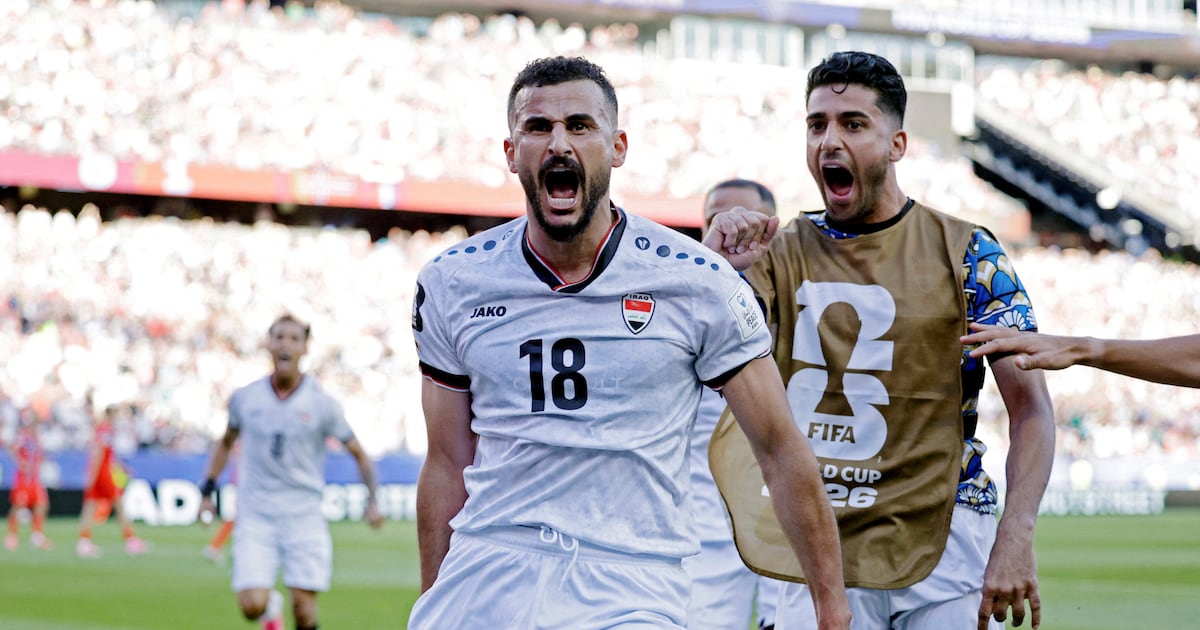
It’s surprising how little I know about the Iraqi national anthem, especially considering my familiarity with others like the British, Italian, and Dutch anthems. Although I’m a devoted Formula 1 fan, my exposure has mostly been to races featuring Max Verstappen, rather than the rich culture of Iraqi sports. My absence from Iraq as an adult leaves me reflecting on the vibrant emotions tied to national identity that I’ve yet to fully experience.
The Thrill of Connection
Watching pundits discuss Iraqi players like Aymen Hussein and Ali Jasim while analyzing the team’s tactics has been an exhilarating experience. It feels incredibly unifying to witness those moments where pride swells in the chest. As the Iraqi flag is waved enthusiastically during the national anthem, the joy is palpable — a feeling of belonging that transcends borders. Though critics might argue that a 48-team World Cup diminishes the art of football, seeing nations like Iraq compete fills me with optimism. Perhaps an even broader tournament, like a 64-team event, could give every child worldwide a chance to celebrate their heritage and identity.
Football as a Catalyst for Change
The collaboration between the United States and FIFA has transformed football into a significant commercial venture. I often find myself writing about the political implications surrounding these broader contexts instead of focusing solely on the game. Yet, the essence of sport reminds me that its role extends far beyond mere entertainment. Football becomes a medium for connection, as seen in the enthusiastic crowds of the Iraqi diaspora supporting their team, alongside Norwegian fans demonstrating camaraderie before a match. Sporting events have the power to bridge gaps that politics often widen.
A Remarkable Journey Through Sport
As the World Cup progresses, I’m left with overwhelming pride in Iraq’s tenacity on the field. The players showcase aggressiveness and creativity, constantly pushing for scoring opportunities. When Erling Haaland scores, it’s met with disappointment but is quickly overshadowed by Hussein’s remarkable equalizer. The narrative surrounding Hussein is deeply impactful; he carries not only his own journey but also the weight of tragedy from his family’s past, echoing resilience that resonates far beyond the pitch.
Even as challenges loom large, I take solace in the unpredictability of football, akin to the words of my mother about life’s cyclical nature. Just 14,618 days since Iraq’s last World Cup goal in ’86, the moment bursts forth with joy across social media. Yet, like a ball in play, the jubilation is short-lived as mistakes unravel the hard-fought efforts. Iraq’s team showcases relentless spirit, and even though they face tough opponents, the fans remain uplifted by their determination.
What Lies Ahead for Iraq
Despite the loss, the future of Iraqi football seems promising. With players who can harness both skill and passion, the groundwork is laid for a brighter horizon. Unlike Norway, which has benefited from substantial grassroots investment, Iraq’s players come from backgrounds seeking survival and hope. Nevertheless, their proud display of national love on such a prominent stage speaks volumes about Iraq’s potential.
As this journey unfolds, all we can hope for is that these athletes continue to embody the spirit of resilience, not just to survive but also to pursue dreams that inspire their nation. Every performance, be it triumphant or defeat, contributes to an evolving narrative that reflects the beauty of the game. My pride in Iraq’s representation only grows deeper as they showcase their true essence on one of the world’s largest competitive stages.