
In recent developments, five Iranian ships have crossed the U.S. naval blockade line in the Gulf of Oman, indicating a shift in maritime activities amidst ongoing geopolitical tensions. This movement, particularly of sanctioned vessels, raises critical questions about international maritime security and oil trade dynamics.
Iranian Ships Cross U.S. Naval Blockade
Over a span of 24 hours, five Iranian ships, including three crude oil tankers, a bulk carrier, and a container ship, departed from the southern Iranian port of Chabahar and headed eastward after passing the U.S. blockade. According to tracking data from MarineTraffic.com, these ships include vessels owned by the Islamic Republic of Iran Shipping Lines and the National Iranian Tanker Company, both of which are under U.S. sanctions due to Iran’s oil trade and its controversial weapons program.
Notably, another sanctioned oil tanker, the Stream, disabled its location broadcast system as it approached the blockade from Pakistan’s port of Karachi. All vessels tracked have been Iranian-flagged, contributing to the ongoing complexities in the region. It’s also significant that commercial traffic through the Strait of Hormuz remains at a low ebb, with vessel numbers remaining in the single digits compared to a typical daily average of about 135.
Oil Prices Dip Amidst Market Optimism
In response to these developments, oil prices showed signs of stabilization after a sharp drop earlier. The optimism regarding a potential resolution of the ongoing conflict and the reopening of the Strait of Hormuz, a crucial artery for global oil and gas transport, has played a role in this market trend. Brent crude, the international oil benchmark, traded down 1% at $78.19 per barrel on Wednesday. Although this figure is lower than Tuesday’s prices, it remains significantly above the levels experienced in late February.
The benchmark U.S. crude saw a similar decline, trading at $75.21 a barrel. This reduction signals fluctuating market sentiments influenced by geopolitical factors and the potential easing of trade restrictions.
Unclear Terms Surrounding U.S.-Iran Agreements
Conflicting messages have emerged regarding the status of the U.S. naval blockade around the Strait of Hormuz. Following announcements from President Trump about an agreement reached with Iran, uncertainty prevails about when the blockade might officially lift. Despite initial claims of an imminent removal, subsequent communications indicated that the blockade remains. An Iranian diplomat suggested that the blockade was lifted before an official signing ceremony, adding to the confusion.
Amid this uncertainty, major shipping companies have expressed hesitancy to resume normal operations in the Strait without clear assurances of safety and clarity on the U.S.-Iran agreement. Experts note that without a comprehensive understanding of the situation, the risks for tankers navigating the region remain high.
Israeli Airstrikes Target Southern Lebanon
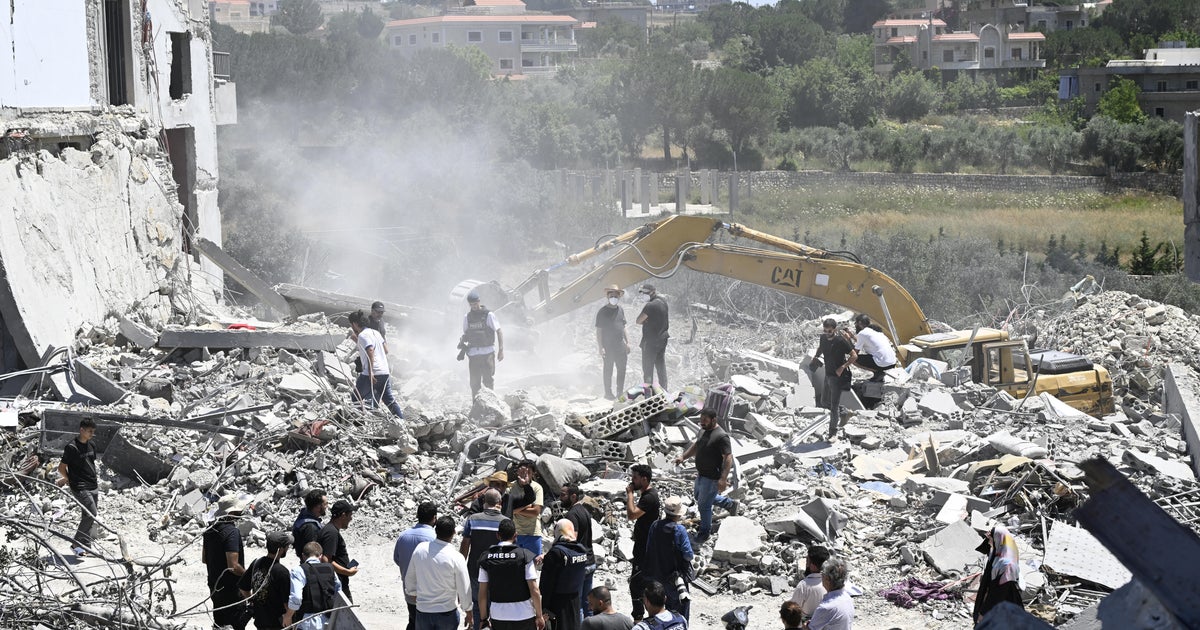
Meanwhile, Israeli military forces conducted airstrikes in southern Lebanon, reportedly targeting areas such as Nabatieh al-Fawqa and Kfar Tebnit. This action comes despite ongoing discussions regarding the broader Middle East conflict, where Iran has insisted on its influence over Lebanon. Israeli officials have indicated a commitment to maintain military presence in certain areas, further complicating regional peace efforts.
As tensions rise, the implications of these Iranian maritime movements and the U.S. diplomatic engagements will be critical in shaping the future dynamics of the Strait of Hormuz and the surrounding areas. With oil prices and geopolitical stability at stake, stakeholders continue to monitor these developments closely, weighing their impact on global markets and security.