
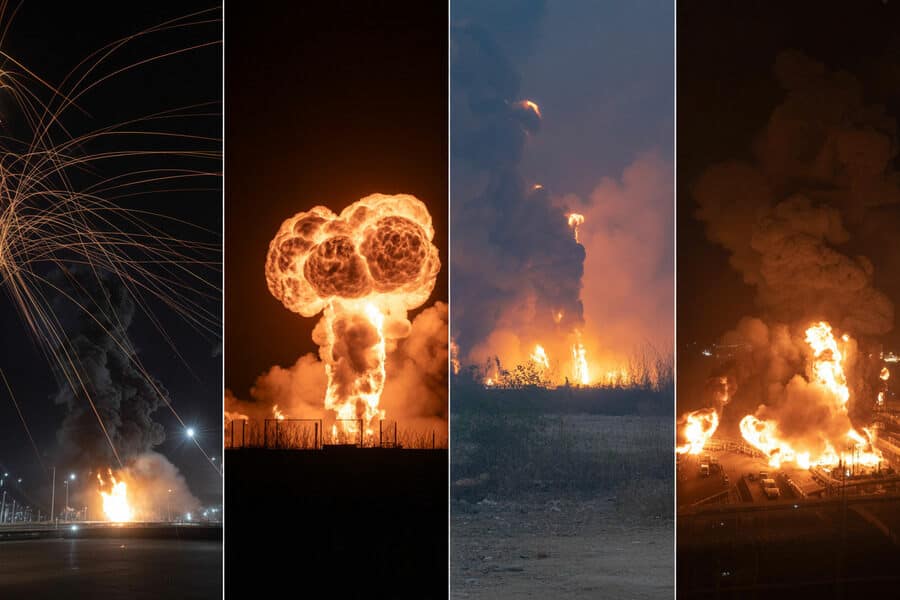
The Middle East is witnessing a concerted effort to bolster tourism through innovative insurance-driven air travel strategies. Countries such as the United Arab Emirates, Qatar, Bahrain, Oman, Kuwait, and Iraq are leading the charge, with major airlines like Etihad Airways, Emirates, and Gulf Air adopting measures to reinforce traveler confidence. Given the rising tensions in the region and the ongoing challenges posed by concerns over the Iran crisis, these initiatives aim to stimulate interest in air travel and tourism.
Tourism Growth through Insurance Innovation
The tourism sector in the Middle East is adapting to a rapidly changing landscape, with various countries introducing new policies that emphasize travel safety. Emirates, Etihad Airways, and flydubai are at the forefront of this movement, offering comprehensive insurance packages as part of their flight bookings. These measures not only enhance safety but also provide peace of mind for potential travelers who may be feeling apprehensive about booking flights amid geopolitical tensions. By prioritizing traveler protection, these airlines aim to attract a broader audience and encourage more people to explore the region.
Addressing Traveler Concerns Amid Global Instability
Since late February, there has been a noticeable shift in global booking patterns, largely influenced by heightened perceptions of risk associated with travel. Many travelers are now prioritizing safety and are more likely to choose destinations that offer robust insurance policies and protective measures. To capitalize on this trend, Middle Eastern nations and their airlines are promoting the idea that travel can be both enjoyable and secure. By effectively communicating these initiatives, they can rebuild shattered traveler confidence and encourage more consistent inflow of tourists.
The Impact of Geopolitical Tensions on Visitor Flows
While countries like the UAE and Qatar aim to stimulate their tourism sectors, they face the reality of fluctuating visitor numbers. Cities such as Dubai, Doha, Abu Dhabi, and Muscat have seen a decline in travelers due to escalating geopolitical uncertainties. As potential visitors weigh their options, the perception of risk can heavily influence their choices. Consequently, tourism boards and airline representatives are keen to assure travelers that measures are in place to safeguard their health and safety, ultimately hoping to draw them back.
Building a Resilient Tourism Ecosystem
To create a more resilient tourism ecosystem, Middle Eastern countries are not only enhancing air travel safety but also promoting the unique attractions that the region has to offer. From the stunning architecture of Dubai to the historical significance of Petra, there are countless opportunities for tourism growth. By integrating effective insurance-driven strategies with compelling marketing campaigns, these nations can nurture a thriving tourism sector that withstands external pressures, encouraging international visitors to discover all that the region has to offer.
In summary, the combined efforts of Middle Eastern nations to prioritize traveler safety through insurance-led strategies reflect a commitment to restoring confidence in air travel. By addressing the concerns of potential visitors and enhancing their travel experience, these countries aim to revitalize their tourism sectors and ensure long-term growth despite external challenges. The future of travel in the Middle East will depend on effectively navigating these shifting dynamics and fostering an environment where both safety and adventure can thrive.