
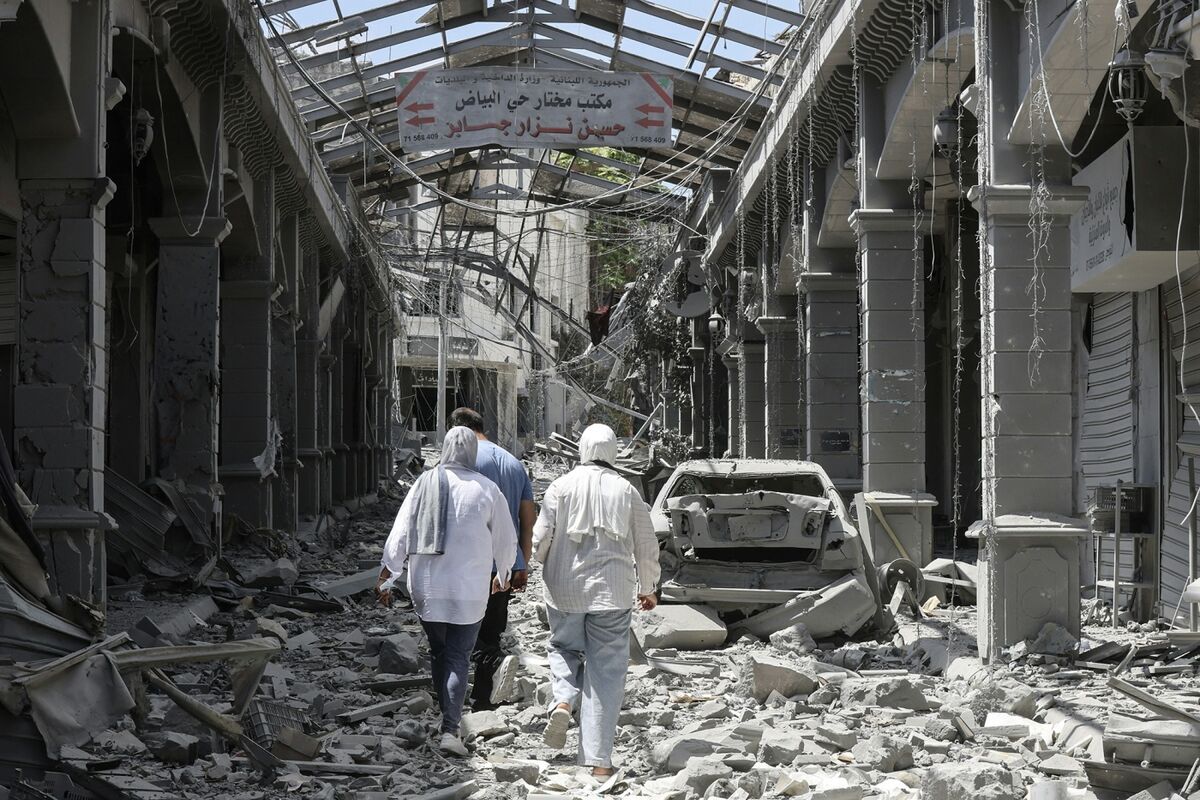
Israel has turned down a request from the United States to remove its troops from southern Lebanon. This decision emphasizes the ongoing concerns regarding the presence of Hezbollah, a militant group supported by Iran. The situation is further complicated by the geopolitical tensions between the U.S. and Iran, posing challenges for any potential peace agreement in the region.
Hezbollah’s Influence in Southern Lebanon
Hezbollah remains a significant player in the political landscape of southern Lebanon. Formed in the early 1980s, this group has developed into a powerful military and political entity with deep roots in the region. Backed by Iran, Hezbollah’s military capabilities and influence in Lebanese politics create a volatile environment. Their presence continues to be a primary concern for both Israeli and U.S. officials, as any aggressive moves from Hezbollah can lead to rapid escalations in conflict.
The implications of Hezbollah’s military capabilities extend beyond local borders, as they can engage in confrontational strategies against Israel. Their ongoing stockpile of weapons and active military personnel make the region a focal point of tension. With Israel citing Hezbollah’s continued strength as a reason to maintain its military presence, it becomes clear that any lasting peace negotiations must address the complexities introduced by this militant faction.
The U.S.-Israel Dynamic
The relationship between the United States and Israel has historically been strong, marked by military cooperation and shared strategic interests. However, the recent request for troop withdrawal indicates a divergence in approaches regarding regional stability. The U.S. seeks to de-escalate tensions while promoting peaceful dialogue; meanwhile, Israel prioritizes its security in light of perceived Iranian threats through Hezbollah.
This contrast highlights the intricate balance the U.S. must maintain in its diplomatic efforts. While Washington pushes for a broader peace agreement, it must also respect Israel’s national security concerns. The stalemate in southern Lebanon illustrates the challenges faced by U.S. diplomats trying to navigate the complexities of Middle Eastern geopolitics, where local dynamics significantly impact international relations.
Implications for Regional Peace
The rejection of the U.S. request has significant ramifications for attempts to establish lasting peace in the region. The stalemate between Israel and Hezbollah, combined with the involvement of Iranian support, complicates efforts to foster dialogue among various parties. A viable peace accord must take into account the power dynamics created by Hezbollah’s influence and the regional proxy battles that often accompany it.
Addressing these challenges requires a multifaceted approach, engaging not only Israel and the U.S. but also various other stakeholders, including Iran. Steps toward demilitarization, as well as comprehensive ceasefires, may be necessary to pave the way for any meaningful discussions. The situation remains fluid, and the broader consequences of military presence in southern Lebanon could shape the geopolitical landscape for years to come.
In conclusion, Israel’s decision to maintain its military presence in southern Lebanon underscores the complexities surrounding Hezbollah and its implications for U.S. efforts in the region. With both sides holding firm in their positions, the path to peace remains fraught with challenges that will require careful navigation and sustained diplomatic efforts.