
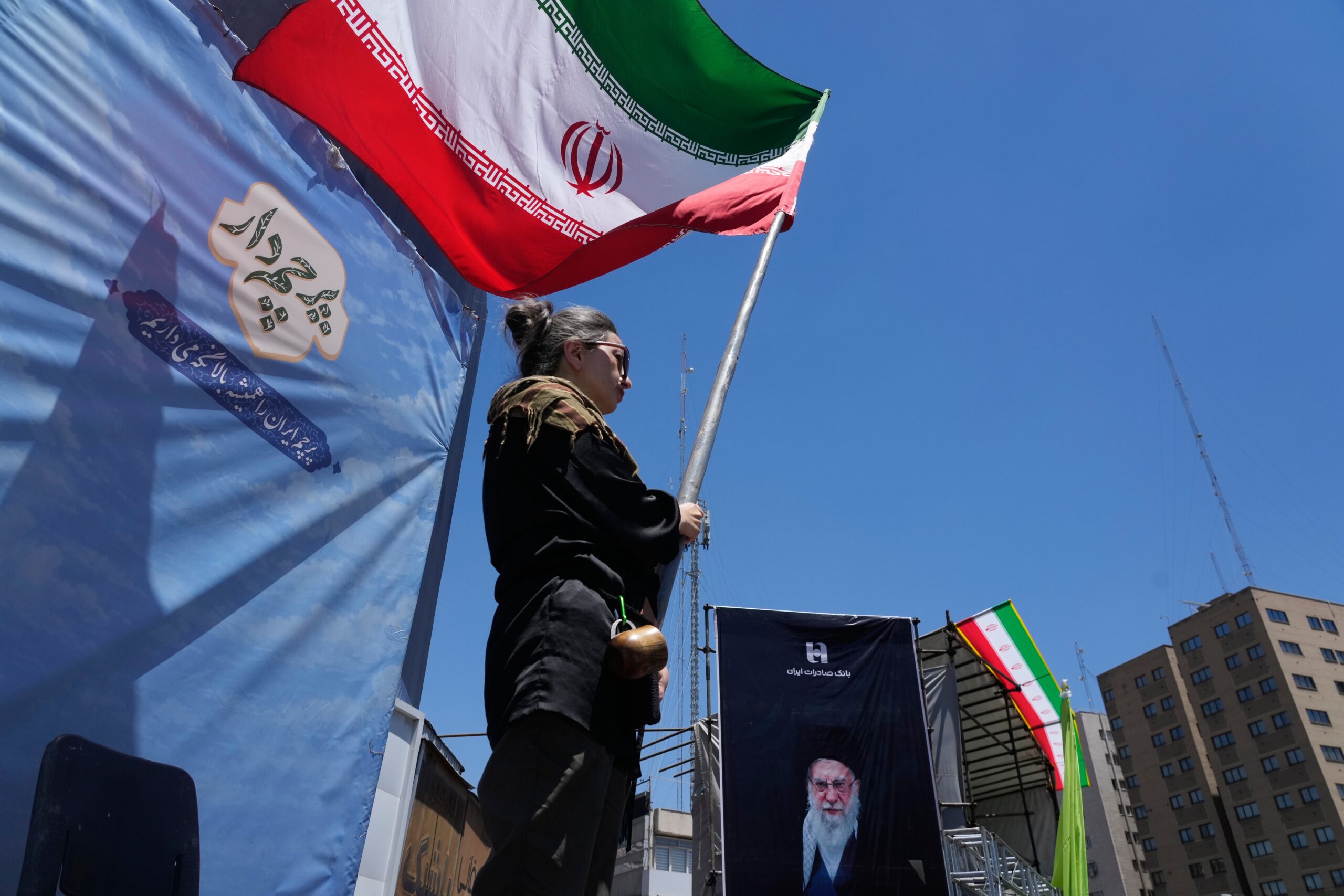
In recent developments, the United States and Iran appear to be on the brink of formalizing an agreement aimed at extending their fragile ceasefire. This initial accord, signed electronically, promises to bring some respite to a conflict that has already resulted in thousands of casualties across the Middle East. However, the fate of the agreement remains uncertain due to tensions surrounding Iran’s nuclear ambitions and ongoing military actions by Israel.
Understanding the Ceasefire Agreement
The newly proposed treaty aims to establish a significant truce amid a war that has disrupted not only the lives of civilians but also the prices of essential goods like fuel and food. The deal is scheduled for a ceremonial signing in Geneva, yet logistical hurdles and military complications can jeopardize its implementation. A key element of the agreement is the planned reopening of the Strait of Hormuz, an essential maritime passage for global oil and natural gas supplies. While this move could help mitigate the energy crisis triggered by the conflict, immediate relief is not guaranteed.
Challenges Ahead: Israel’s Stance
Israel’s involvement in the ongoing war complicates matters as it is not a party to the ceasefire agreement. The Israeli military has undertaken airstrikes in southern Lebanon, targeting Hezbollah—a group backed by Iran. Israeli Prime Minister Benjamin Netanyahu has expressed strong opposition to any deal that might require Israel to withdraw from territories it has captured, emphasizing the need to protect the nation from potential nuclear threats. This has raised significant questions about the future dynamics between not just Israel and Iran, but also how these tensions might affect the ceasefire.
Concerns Regarding Iran’s Nuclear Program
Iran’s stockpile of highly enriched uranium remains a focal point of concern for both the United States and Israel. Both nations worry that this uranium could be diverted for the construction of nuclear weapons despite Iran’s assertions that it has no intention to pursue such capabilities. The upcoming agreement grants Iran a mere 60 days to decide its course of action regarding its nuclear stockpile, reminding everyone of the complexities that led to the previous 2015 nuclear deal—one that Trump unilaterally withdrew from, escalating tensions.
Looking Forward: Potential Outcomes
For the ceasefire to take root, several factors must align, including the successful handling of tensions between Israel and Hezbollah. Furthermore, the deal entails the possible release of Iran’s frozen assets and easing of sanctions, which are contingent upon Iran meeting certain benchmarks. Given the intricate web of interests and agendas in play, the ultimate success of this agreement remains uncertain, posed between hopes for peace and persistent undercurrents of conflict. As peace talks continue, vigilance will remain essential for all involved parties, with the possibility of unforeseen developments that could reshape the situation overnight.