
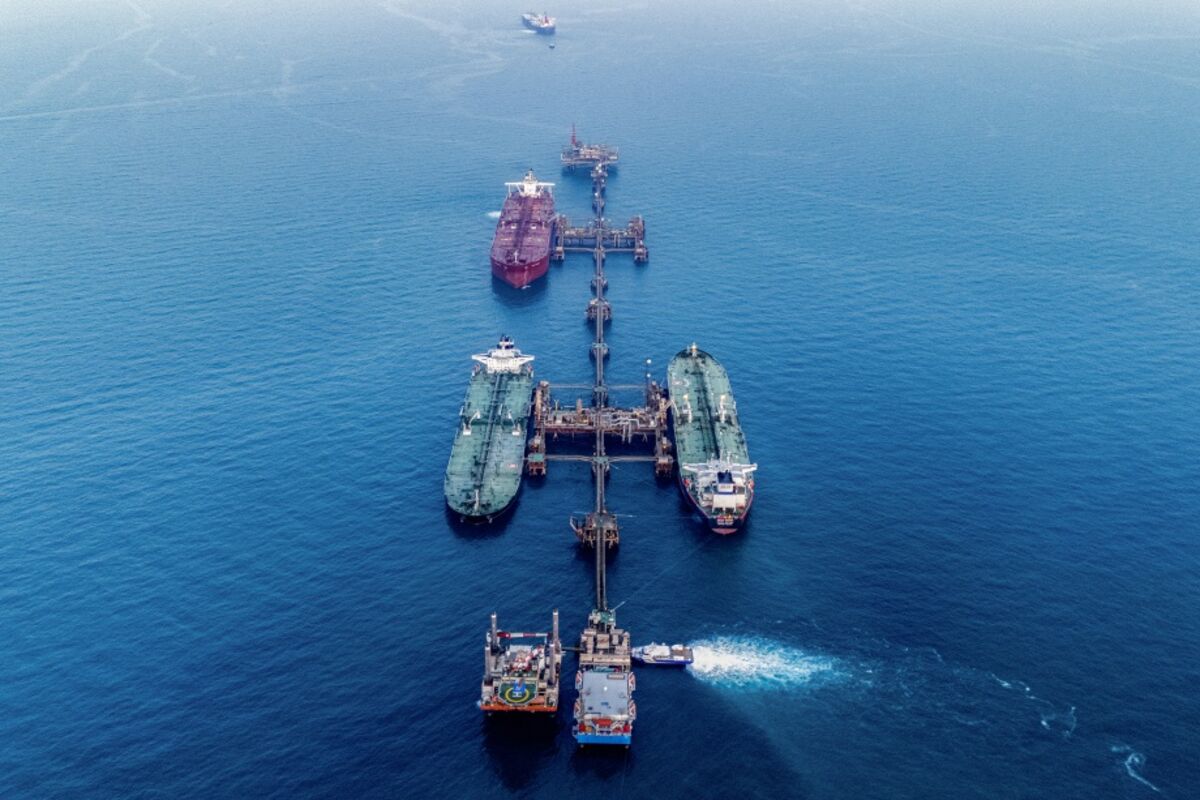
Oil production in southern Iraq has witnessed a notable surge and is expected to continue on this upward trajectory. This increase can be attributed to the arrival of tankers, which has effectively alleviated storage constraints. As a result, a greater volume of crude oil is set to be exported, enhancing Iraq’s position as a key player in the global oil market.
Recent Developments in Oil Production
In recent weeks, southern Iraq has experienced a significant rise in oil output. The reinstatement and improvement in transportation logistics, particularly with tanker shipments, have played a crucial role in this development. This influx of tankers arriving at ports has increased operational efficiency and streamlined the export process, allowing for the rapid movement of oil. As storage tanks become less congested due to frequent tanker arrivals, producers have the green light to ramp up their extraction activities. Consequently, Iraq is poised to export even more crude oil, reflecting its robust capacity and strategic industry advancements.
The Impact on Global Oil Prices
The increase in oil production from southern Iraq presents potential implications for global oil prices. A rise in available supply typically leads to a stabilization or even a decrease in market prices, benefiting international consumers. By contributing additional barrels to the global market, Iraq’s enhanced production capabilities might offer a buffer against price volatility typically experienced in the oil sector. Traders and stakeholders will keep a close eye on Iraq’s production levels, as any significant shifts in output could sway market dynamics and influence broader economic factors as well.
Future Prospects for Iraq’s Oil Industry
Looking ahead, Iraq’s oil industry appears to be on an upward trajectory. Plans for expansion and modernization of existing refinery infrastructure are underway, aimed at optimizing production efficiency and increasing capacity. Additionally, governmental policies fostering investment in the energy sector are expected to attract both domestic and foreign investments, further bolstering growth in oil extraction and exportation. The partnership with international oil companies also serves to enhance Iraq’s technical capabilities, promoting sustainable practices within the oil extraction process.
Conclusion
In summary, the advancements in oil production in southern Iraq herald a promising future for the nation’s energy sector. With an increase in tanker arrivals leading to eased storage conditions and greater export potential, Iraq is set to solidify its role in the global oil landscape. As global markets adapt to these changes, the economic implications of increased Iraqi oil production will likely resonate far beyond the borders of the nation itself. Stakeholders and industry analysts will be monitoring these developments closely, recognizing their potential to shape future trends in oil pricing and global supply chains.