
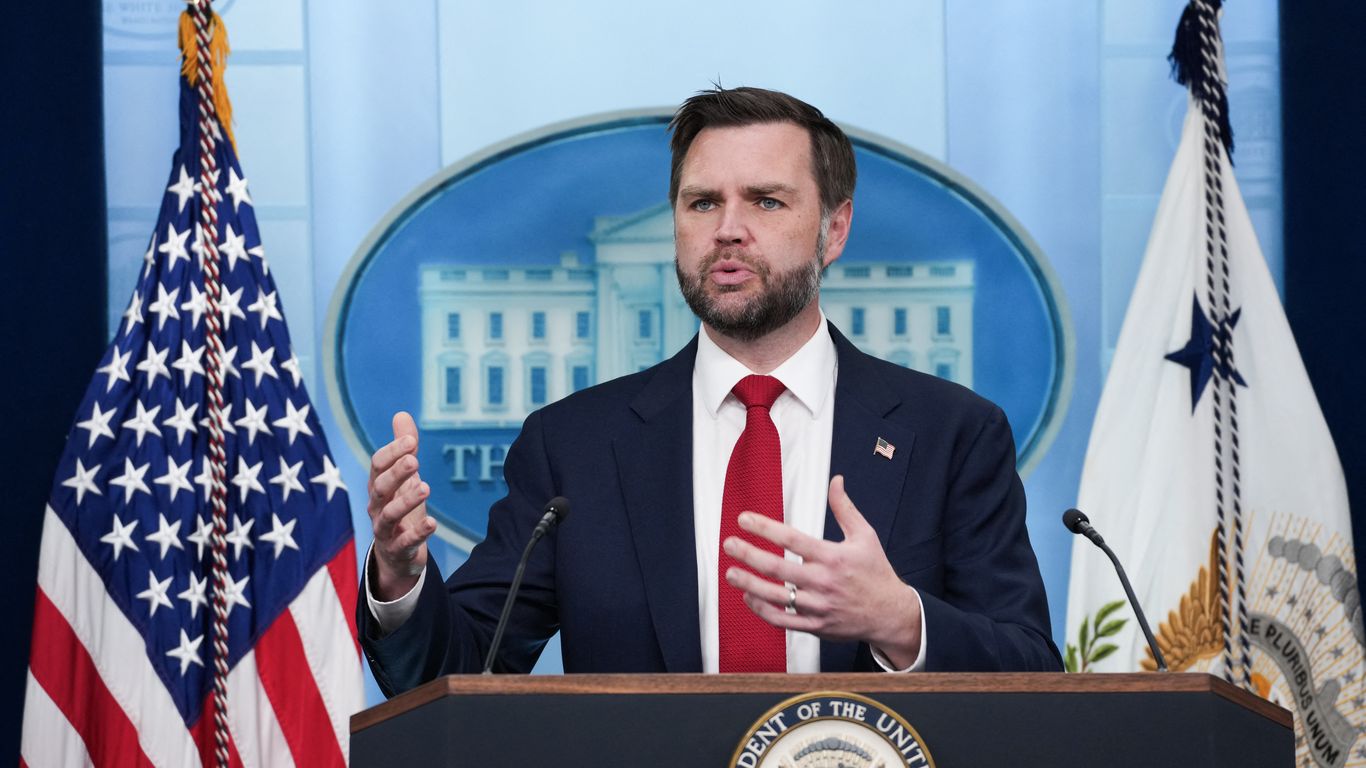
In Israel, the prevailing sentiment among many is that the nation’s challenges extend far beyond its political leadership. As tensions and complexities continue to embroil the region, a significant portion of the populace is urging a shift in focus away from political grievances towards more pressing national concerns.
The Broader Context of Israeli Challenges
Understanding the multifaceted issues in Israel necessitates examining the political, social, and economic landscapes that intertwine to shape the nation’s reality. While leadership can influence direction and policy, the intricacies of the Israeli-Palestinian conflict, security concerns, and internal divisions demand a broader perspective. These factors reflect a reality that cannot be simplified to a singular leader or administration.
Moreover, the socio-economic disparities within the country contribute to an increasingly disillusioned populace. As certain segments of society benefit from prosperity, others grapple with poverty and economic instability, which serve as catalysts for discontent. Hence, it is crucial for citizens to transcend their frustrations associated with political figures and instead engage in constructive dialogue around these pressing socio-economic issues.
Security and Regional Stability
The security concerns facing Israel are deeply interwoven with regional dynamics that are often underestimated. The existential threats posed by neighboring nations and non-state actors present ongoing challenges that impact daily life. As citizens contend with the ramifications of ongoing conflict, it becomes imperative that the focus shifts from political blame to collective strategies for achieving stability and safety.
Israel’s military readiness and intelligence capabilities are pivotal; however, relying solely on these elements is not a sustainable solution. Diplomatic efforts, both domestically and internationally, must be prioritized to foster peace and security. By engaging in open discussions on these subjects, citizens can cultivate a unified front that promotes resilience in the face of adversity.
The Role of Civil Society
In addressing the various challenges Israel faces, civil society plays a critical role in shaping discourse and advocating for change. Grassroots movements and community organizations can bridge divides, fostering collaboration among different ethnic, religious, and socio-economic groups. By mobilizing citizens around shared goals, civil society can apply pressure on political leaders to focus on the broader issues that affect all Israeli residents, rather than engaging in cycles of blame.
Additionally, education and awareness are vital for citizens to understand the complexities of their environment. By promoting values of tolerance, coexistence, and empathy, Israel can nurture a more informed and engaged populace that is driven to seek solutions beyond mere political rhetoric.
A Call for Focused Engagement
Ultimately, for Israel to navigate its myriad challenges successfully, the public must pursue an active and engaged stance. Rather than fixating on political figures as the primary source of distress, citizens should strive for a holistic understanding of the issues at play. This entails evaluating socio-economic concerns, security threats, and the imperative for robust civil discourse.
Encouraging dialogue, collaboration, and community involvement will foster an environment where lasting solutions can be unearthed. As Israel grapples with the complexities of its current reality, a collective effort towards understanding and action can lead to more sustainable outcomes for all. The path ahead is not without its difficulties, but focusing on the broader picture can foster a more resilient and unified nation.