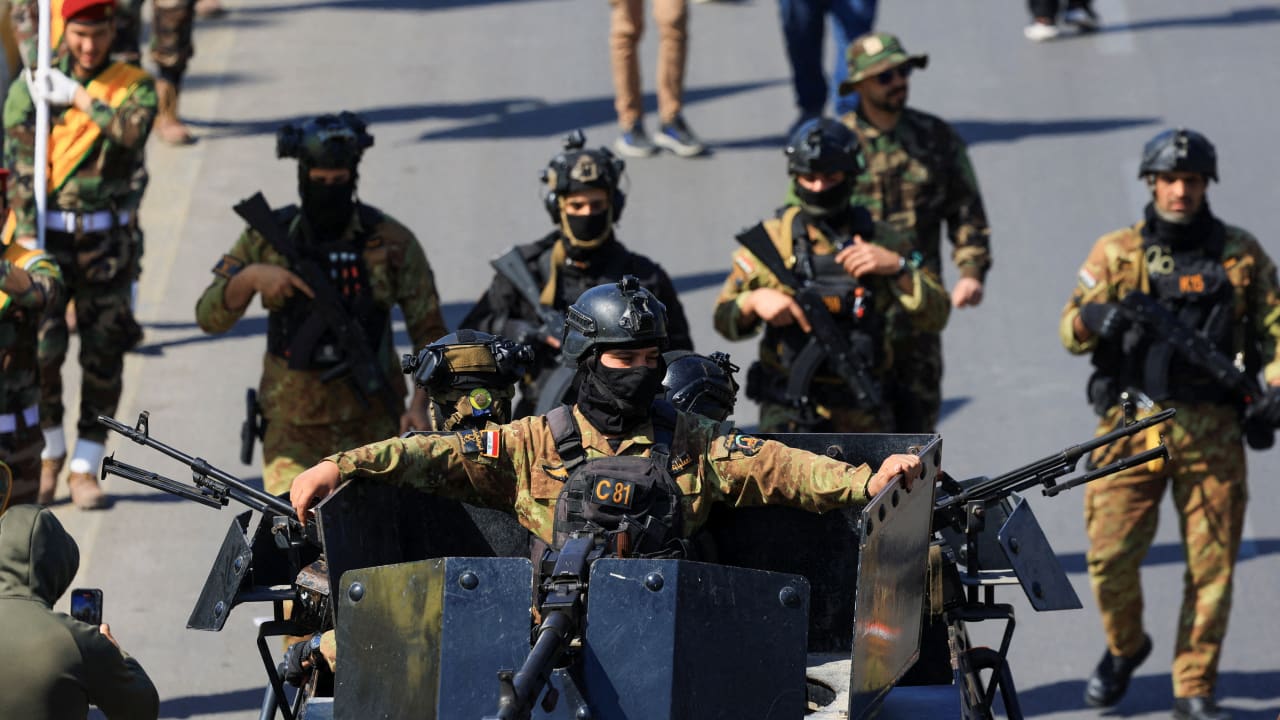
Iran’s Islamic Revolutionary Guard Corps (IRGC) is reportedly expanding its operations by creating covert cells in Iraq aimed at launching attacks on Gulf nations housing American military personnel. This strategic shift aims to enhance operational security by circumventing the traditional militia networks typically associated with Shiite groups in Iraq. Various Iraqi sources have confirmed that these new cells consist of elite Iraqi Shiite fighters and have conducted multiple drone strikes targeting sites in Kuwait, Saudi Arabia, and the United Arab Emirates since mid-April.
### Formation and Functionality of New IRGC Cells
The new cells, estimated to number between three to four, each contain around 10 specialized fighters. According to sources, they have executed at least seven drone strikes from discreet locations in southern Iraq, particularly around Basra and Samawa. These groups pull members from the broader Islamic Resistance in Iraq, which encompasses a variety of hardline Shiite factions. However, they operate independently, reporting exclusively to the IRGC, in order to maintain deniability while conducting their operations.
This new formation represents a tactical evolution for the IRGC as they adapt to a decrease in their broader proxy capabilities across the region. With Iran facing significant military and economic pressures, these cells allow Tehran to exert influence without directly implicating larger militias, particularly at a time when many of them are scaling back their activities.
### Iran’s Proxy Strategy and Regional Implications
Iran’s approach to maintaining its “Axis of Resistance” has become increasingly focused on a centralized command, which can be more easily controlled. This is particularly evident in the context of Iraq, a country dominated by Shiite militias that often enjoy close ties with Tehran. Historically, these militias have been part of a larger network extending from Gaza and Lebanon to Yemen. However, the transformation in strategy—which includes the establishment of these smaller, ideologically driven IRGC cells—highlights Iran’s need to streamline its operations amid financial constraints.
The potential for the IRGC’s new cells to launch targeted strikes raises significant concerns among Gulf states. Attacks on American bases or key military installations could provoke severe retaliatory measures, further destabilizing the already fragile regional security landscape. Indeed, several attacks have already targeted locations like Kuwait’s Ali Al Salem Air Base, underscoring the heightened threat level.
### Challenges for Iraq’s Leadership and Future Prospects
The emergence of IRGC-affiliated cells challenges the new Iraqi Prime Minister, Ali al-Zaidi, as he navigates complex relationships with both the United States and Iran. With increasing international scrutiny on Iraq’s security environment, Baghdad is under pressure to dismantle Iranian-backed militias operating within its borders. Iraq’s leadership must balance these demands with the internal and external pressures associated with disarming powerful factions.
Recent signals from some influential Shiite groups indicate a willingness to disarm and engage in domestic political processes. Nevertheless, if acts of aggression continue, especially those that damage Iraq’s relations with neighboring Gulf states, it could hinder diplomatic thawing initiated after years of isolation stemming from Saddam Hussein’s invasion of Kuwait.
As the IRGC modifies its tactics, the implications for regional stability remain significant. Iraq’s capacity to manage these covert operations could be a critical test for the new administration, especially as it strives to prioritize national governance over external influences. The effective dismantling of these cells poses a complex challenge, one that requires astute political maneuvering and international collaboration to avert escalated conflict in the volatile Middle East.