
Iran is asserting its stance in ongoing negotiations with the United States, emphasizing that it will not compromise on its fundamental conditions. Recent developments indicate a complex backdrop for these discussions, particularly as tensions escalate in the region, highlighting the intricacies of diplomacy in a volatile environment.
Iran’s Firm Position in U.S. Negotiations
Iran’s chief negotiator, Mohammad Bagher Ghalibaf, underscored that the nation remains steadfast in its “red lines” as discussions with the U.S. proceed. According to comments made to the IRNA state news agency, Ghalibaf stated, “We are committed to fulfilling the terms and interests established by the Iranian nation.” He conveyed a clear message: any aggressive moves from the U.S. will meet with a determined response from Iran. This statement reflects Iran’s resolve amidst international scrutiny and underscores the challenges facing diplomatic engagements.
Khamenei’s Remarks on Trump
Iran’s Supreme Leader, Mojtaba Khamenei, offered a perspective on the recent U.S.-Iran agreement, suggesting that former President Trump may have resorted to various pressures to secure the deal. Khamenei stated, “Out of desperation, the officials made substantial efforts to reach an accord,” indicating his views on the motivations behind U.S. engagement. While expressing acceptance of the agreement’s terms, he was cautious about further commitments, suggesting that Iran may not conform to broader demands from the Trump administration.
Disruption in Talks Over Regional Conflict
The dialogue, initially set to take place in Switzerland, faced disruption due to escalating conflicts involving Hezbollah and Israel. According to anonymous officials speaking to The Associated Press, Iran postponed its planned discussions with the U.S. due to concerns over the ongoing violence and remarks from Israeli leadership, which Iran perceived as a breach of the preliminary agreement. The delays have broader implications, with U.S. officials, including Vice President JD Vance, indicating logistical issues hampering the commencement of the negotiations initially anticipated for this weekend.
Escalating Violence and Its Impact
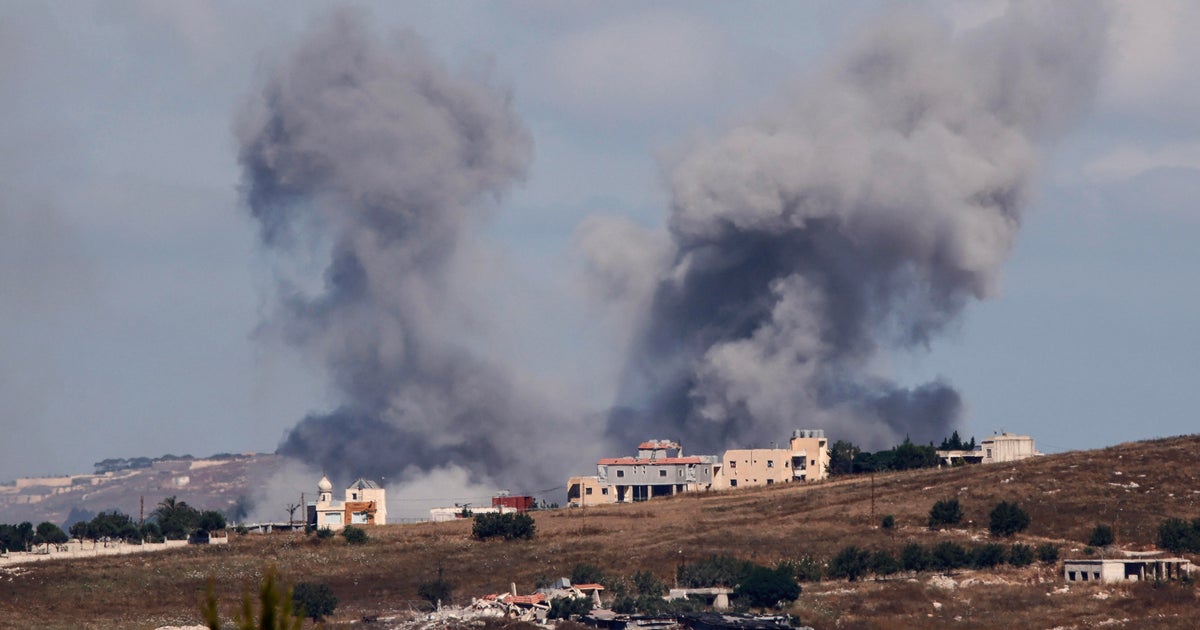
Recent military exchanges have intensified, particularly between Israeli forces and Hezbollah in Lebanon. According to the Lebanese health ministry, Israeli airstrikes resulted in the deaths of at least 18 civilians, marking one of the deadliest days since the U.S. and Iran reached their initial agreement earlier in the week. Israel has cited ongoing violations of ceasefires as justification for its actions, amplifying concerns that continued hostilities could undermine the fragile understanding reached between the two nations.
As the situation unfolds, it becomes increasingly apparent that the intricate dynamics of Middle Eastern politics will significantly influence the prospects for peace. With unresolved issues such as territorial integrity and sovereignty lingering in the background, any misstep could lead to the unraveling of diplomatic strides achieved thus far. The coming days will be crucial in determining the trajectory of these negotiations and the stability of the region.