
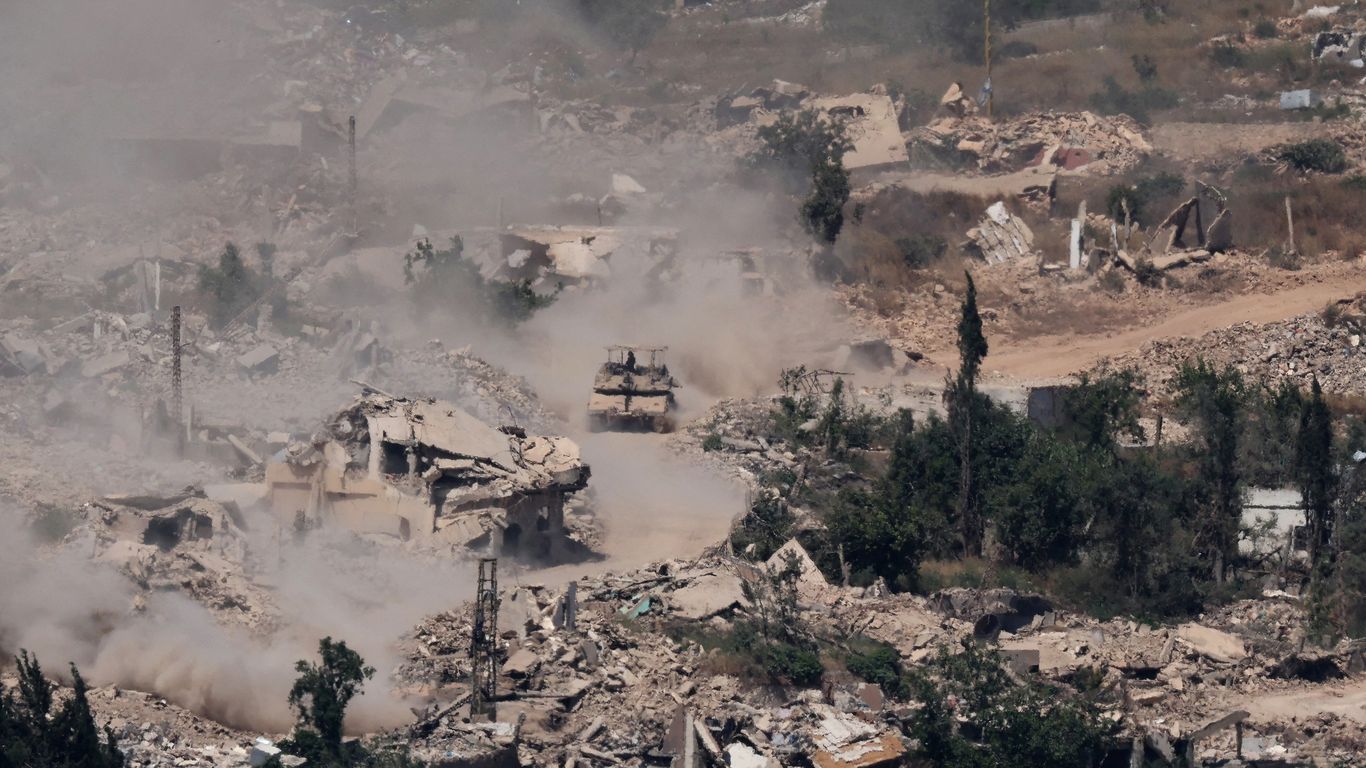
U.S.-Iran Talks Postponed Amid Ongoing Conflict
The recent escalation of hostilities has delayed critical discussions between the United States and Iran. As tensions rise, both nations find themselves grappling with the implications of this prolonged conflict. The postponement of these talks raises significant concerns about diplomatic relations and regional stability.
Current State of U.S.-Iran Relations
U.S.-Iran relations have been marked by distrust and animosity for decades. The ongoing conflict has further complicated these interactions, pulling both countries away from potential dialogue. With the U.S. imposing sanctions and Iran asserting its regional influence, establishing a common ground appears increasingly challenging. As both sides remain entrenched in their positions, the prospect of achieving peace dims, casting a shadow over the diplomatic efforts previously initiated.
Impact of the Conflict on Diplomacy
The continued fighting has profound implications for international diplomacy. The escalation makes it difficult for negotiators to find a foothold for constructive dialogue. Critical issues, such as nuclear capabilities and regional security, remain unaddressed. Without a willingness to engage, both nations risk entrenching conflict further. This uncertainty complicates relations not only between the two countries but also affects neighboring states and global players who have vested interests in the region.
The Role of Other International Players
In the face of heightened tensions, other countries are beginning to take note. International players like the European Union, Russia, and China have shown interest in mediating discussions between the U.S. and Iran. Each player brings its distinct perspectives and motivations, potentially influencing the outcomes of any future engagements. However, their involvement also risks complicating matters further. The intricacies of international relations demand a delicate balancing act that can impact the short and long-term resolution efforts.
Looking Ahead: The Path to Resolution
As both countries navigate these tumultuous waters, the need for dialogue is paramount. Moving forward, it is crucial for U.S. and Iranian leaders to consider a significant shift in their strategies. Engaging in honest discussions, even in the shadow of ongoing disputes, may provide openings for diplomatic resolutions. While the path to peace is fraught with challenges, the potential benefits of a mutually respectful agreement far outweigh the costs of continued conflict.
In conclusion, the postponement of U.S.-Iran talks amid sustained fighting highlights the urgent need for constructive dialogue. As hostilities persist, the complexities of international relations deepen, creating an environment where achieving peace is a daunting task. Yet transitioning from conflict to cooperation remains possible, provided that both nations are willing to embrace negotiation as a viable solution for the challenges that lie ahead.