
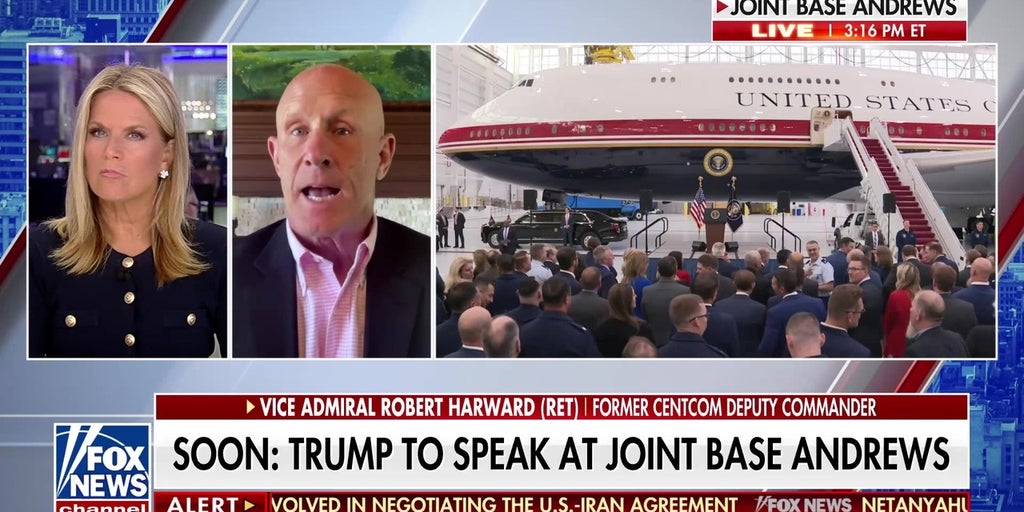
In a recent segment on “The Story,” host Martha MacCallum analyzed the current tensions in the Middle East, showcasing the complicated geopolitical landscape involving Iran and Israel. This discussion underlined the critical nature of the Strait of Hormuz, a vital maritime route for global trade. Retired Vice Admiral Robert Harward provided insights into the ongoing negotiations with Iran and the significance of maintaining safe passage through this crucial waterway.
The Current Situation in the Middle East
Tensions have escalated in the region, particularly with recent exchanges of fire between Israel and Hezbollah. This heightened conflict raises concerns about broader implications for the area’s stability. Martha MacCallum emphasized the necessity for restraint, especially regarding Israel’s military actions. Following these developments, President Trump has called for measured responses to prevent further escalation, signaling the need for diplomatic solutions.
Vice Admiral Harward pointed out that despite these volatile events, there have been successful instances of ships navigating through the Strait of Hormuz. This achievement underscores the strategic importance of the waterway, which is essential for the transportation of oil and other goods. Maintaining open shipping lanes is not only vital for regional economies but also for global energy security.
US-Iran Negotiations: A Complex Web
The negotiations between the United States and Iran have long been fraught with challenges. Harward emphasized the need for a nuanced understanding of the intricate dynamics at play. The diplomatic efforts aim to address Iran’s nuclear ambitions while ensuring that the country remains a responsible player in regional affairs. However, Iran’s recent actions and denial of involvement in conflicts pose significant hurdles.
The ongoing dialogue is not just about preventing nuclear proliferation; it also involves a broader strategy that encompasses regional stability. Analysts suggest that the U.S. must carefully weigh its options, considering both diplomatic and military capabilities. Harward pointed out that the Strait of Hormuz serves as a geographical focal point for these discussions, affecting not only the U.S. stance but also that of its allies in the Middle East.
The Importance of Restraint and Diplomacy
In light of the increasing violence, the call for restraint from all parties is crucial. Both diplomatic and military maneuvers must be weighed carefully to avoid igniting a larger conflict. The delicate balance of power in the region hinges on maintaining communication channels and fostering agreements that promote peace rather than heightened tensions.
Ultimately, the U.S. must navigate this complex landscape with a comprehensive strategy that prioritizes peace and security. As analysts like Harward stress, the successful management of U.S.-Iran negotiations could determine not just the fate of the Middle East but also the stability of global trade routes through areas like the Strait of Hormuz. The situation remains fluid, but continued dialogue may hold the key to addressing these pressing challenges.