
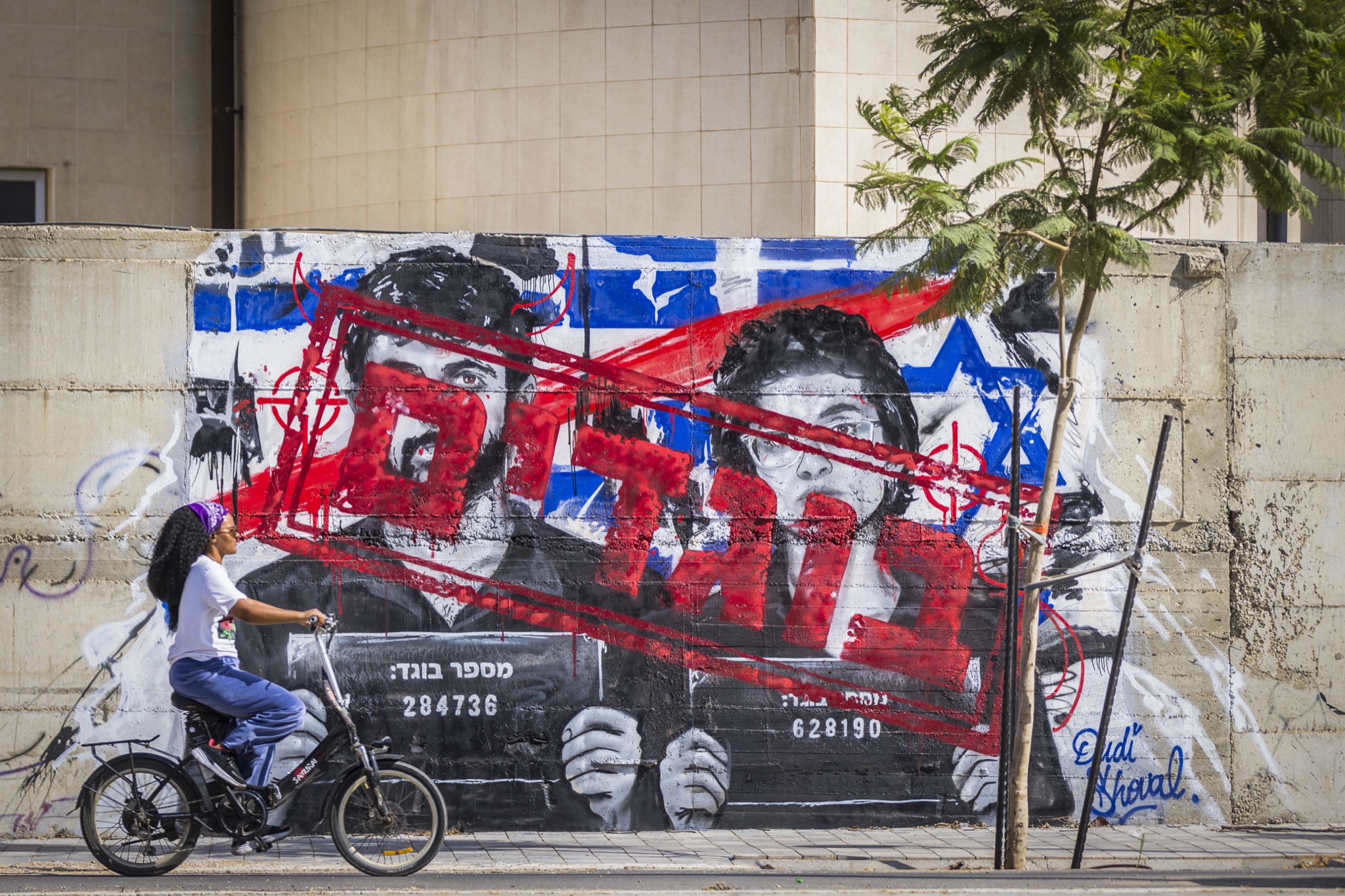
Challenging the Illusion of Moral Superiority
In recent years, a thought-provoking film has emerged that confronts a significant and often overlooked aspect of Israeli society: the moral implications of military actions carried out by some of its most highly educated and esteemed soldiers. This documentary forces viewers to reassess entrenched beliefs about morality in warfare and to confront uncomfortable truths about the ongoing conflict.
The Duality of Education and Ethics
One of the most striking revelations in the film is the contrast between the protagonists’ prestigious backgrounds and the actions they commit. Many viewers hold an image of Israeli soldiers as inherently virtuous protectors of their homeland. However, the film dismantles this perspective by showcasing how some individuals from elite educational institutions are implicated in actions deemed genocidal by observers. This juxtaposition challenges the narrative that education equates to moral integrity.
The film intricately illustrates how societal norms can blind individuals to the ethical implications of their actions. Those who have been trained to uphold certain values often find themselves justifying behaviors that starkly oppose those ideals when placed within a military context. The documentary raises critical questions about whether education can truly mitigate moral culpability when individuals are faced with the pressures of warfare.
Revisiting the Narrative of Moral Superiority
The notion of moral superiority among Israelis has long been a cornerstone of the country’s identity. However, the documentary effectively disrupts this narrative. By showcasing testimonials from soldiers, the filmmakers reveal instances where the line between protecting one’s country and committing crimes against humanity becomes blurred. Viewers are invited to reconsider what it means to fight for one’s nation while grappling with the weight of moral responsibility.
This revisionist perspective is essential for understanding not only the Israeli-Palestinian conflict but also broader themes of morality in warfare globally. As audiences engage with the film’s content, it encourages a more nuanced dialogue about the complexities of identity, nationalism, and accountability.
The Impact on Public Perception
The release of this documentary has stirred conversations across various platforms and communities. Viewers are compelled to confront their own biases and the narratives they hold about conflicts occurring far from their daily lives. For many, the film serves as a wake-up call, urging them to critically examine the facts, disregard preconceived notions, and consider the human cost of war.
The stark realities presented in the documentary push audiences to seek more profound understanding and engagement, breaking down the barriers of complacency that often surround discussions of military ethics. By revealing the actions of individuals within the Israeli Defense Forces, it invites viewers to participate in broader discussions about justice, human rights, and the moral complexities inherent in conflict scenarios.
A Call for Reflection and Dialogue
Ultimately, this film serves as a powerful tool for reflection and dialogue on moral responsibility in military contexts. The critical insights it offers challenge the status quo while aiming to foster meaningful conversations about accountability and ethics in warfare. With its compelling narratives and personal testimonies, it invites audiences not only to examine the actions of a few but also to reflect on the broader implications for society as a whole.
As the film continues to garner attention and ignite dialogues, it is crucial for viewers and critics alike to engage with its themes. Only through such discussions can we hope to find pathways toward understanding and healing in a world often divided by conflict and misunderstanding.