
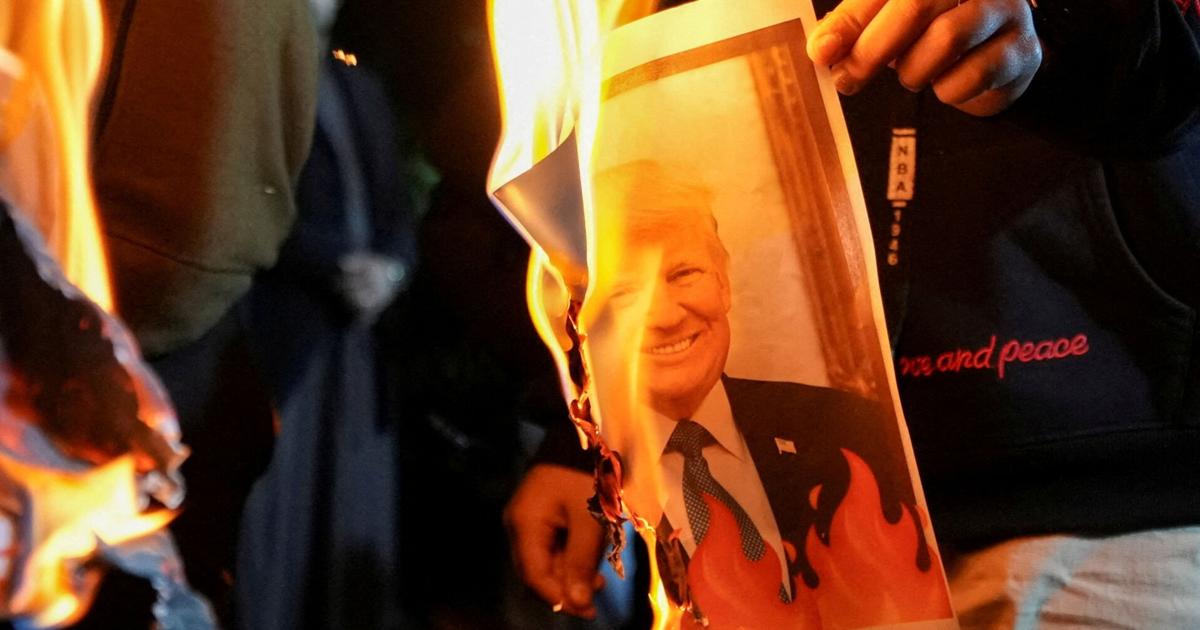
Supporters of Iranian affiliations, primarily from Iraqi Shiite armed groups, recently demonstrated their opposition to U.S. policies during a rally in Basra. This gathering, held on January 13, highlighted their solidarity with the Iranian government. The event saw passionate participants engaging in various forms of protest, including the burning of images depicting former U.S. President Donald Trump. Such actions underscore the escalating tensions in the region as well as the deep-rooted animosity toward America’s influence in Middle Eastern politics.
Growing Tensions in the Middle East
The relationship between the U.S. and Iran has been fraught with conflict and hostility for decades. Iranian-backed militia groups in Iraq have become increasingly outspoken against U.S. actions, viewing them as an infringement upon their sovereignty. This sentiment has been especially pronounced since the U.S. withdrew from the Joint Comprehensive Plan of Action (JCPOA) in 2018 and reinstated heavy sanctions against Iran. These developments have galvanized pro-Iran factions in Iraq, leading to public displays of solidarity, like the protest in Basra.
The Role of Shiite Armed Groups
Iraqi Shiite armed groups have played a significant role in shaping the political landscape of Iraq. Often, they are viewed as both protectors and aggressors, depending on the context of the situation. Many of these groups have close ties to Iran, receiving financial and military support, which complicates Iraq’s internal politics. The rally in Basra is a stark illustration of how these armed factions use public demonstrations to assert their identity and political standing while opposing foreign influence. These groups’ actions reflect their commitment to resisting what they perceive as imperialistic endeavors by the United States.
Impact on Regional Politics
Events like the Basra rally have broader implications for Middle Eastern geopolitics. The display of support for Iran among Iraqi Shiite groups signals a potential shift in alliances within the region, complicating diplomatic efforts to create stability. Countries like Saudi Arabia and Israel closely monitor these developments, particularly in the context of their own relationships with the U.S. The ongoing tensions may also embolden other militant factions across the region, potentially leading to further unrest and violence, thus making peace even more elusive.
The Future of U.S.-Iran Relations
The U.S. must navigate an increasingly complicated landscape in its approach to Iran and its allies. The recent protests serve as a reminder that anti-American sentiment remains a powerful force in parts of the Middle East. As advocates for Iranian influence gain momentum, Washington must watch closely, adjusting its strategies to mitigate risks and avoid further alienating both regional players and the Iraqi populace. A long-term solution may require diplomatic engagement and a reassessment of foreign policy, particularly in light of the immense challenges posed by armed groups in Iraq and their allegiance to Iran.
In conclusion, the recent rally in Basra exemplifies the tightening grip of Iranian influence in Iraq, especially through Shiite armed groups. Their fervent opposition to U.S. politics highlights a growing divide that poses significant challenges for both local governance and international relations. Policymakers must carefully consider these dynamics as they look toward the future of their engagements in the region.