
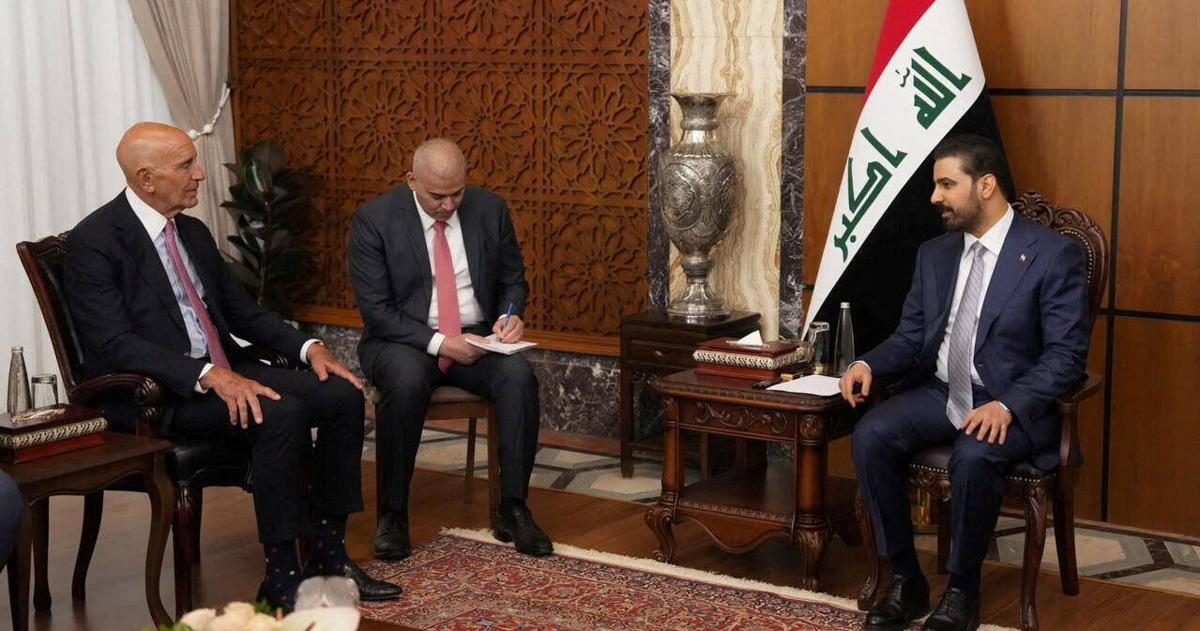
Iraqi Prime Minister Ali al-Zaidi recently engaged in discussions with U.S. Special Presidential Envoy Tom Barrack in Baghdad, signaling important diplomatic communication between the two nations. This meeting highlights the ongoing partnership and strategic objectives that both the U.S. and Iraq aim to achieve.
The Importance of Iraq-U.S. Relations
The relationship between Iraq and the United States has been complex but crucial over the years. Post-2003, the U.S. has been heavily involved in Iraq, aiming to establish stability, support democratic processes, and help rebuild the nation. Recent interactions between leaders indicate a commitment to further strengthen these ties, especially in areas like security, economy, and cultural exchanges.
Both entities have recognized the mutual benefits that can arise from collaboration. While Iraq seeks to bolster its security measures and economic frameworks, the U.S. benefits by promoting a stable ally in a volatile region. This partnership is particularly significant as Iraq navigates challenges from various factions and strives to assert its sovereignty.
Key Topics Discussed During the Meeting
During their talks, Prime Minister al-Zaidi and Envoy Barrack covered a range of significant topics. Security concerns were at the forefront, given Iraq’s ongoing battle with extremist groups and the need for effective counter-terrorism strategies. The U.S. has previously provided military support and training to Iraqi forces, and discussions likely revolved around continuing or enhancing that support.
Moreover, economic cooperation was also on the agenda. Iraq’s economy has faced numerous challenges, including the effects of fluctuating oil prices and the need for diversification. The U.S. can play a role in fostering investment opportunities and facilitating trade, which are essential for Iraq’s sustainable development. Fostering ties in sectors like technology and infrastructure could lead to significant advancements for the Iraqi economy.
Future Implications of the Meeting
The outcomes of this meeting could have far-reaching implications for both countries. For Iraq, solidifying its relationship with the U.S. may provide the support required to navigate ongoing challenges and enhance its global standing. For the U.S., a strengthened partnership with Iraq can serve as a counterbalance to opposition forces in the region.
In light of the evolving geopolitical landscape, the collaboration between Iraq and the U.S. will need to adapt. This means not only addressing current concerns but also laying the groundwork for a resilient future. Both nations stand to benefit from a responsible and productive partnership, particularly in areas where mutual interests align.
Through sustained dialogue and cooperation, Iraq can leverage its relationship with the U.S. to foster stability and growth, while the United States enhances its influence in the Middle East. This diplomacy is crucial for addressing regional issues and securing mutual interests for years to come.