
Turkey’s recent decision to rebrand itself as Türkiye in 2022 has sparked considerable discussion regarding the implications of a name and its significance. President Recep Tayyip Erdoğan emphasized that the new name reflects the culture and values of the Turkish people. However, there are hints of deeper motivations behind the change. Analysts suggest a connection to the comical international perception of the country, given the bird-related connotation of the previous name.
Turkey’s World Cup Struggles
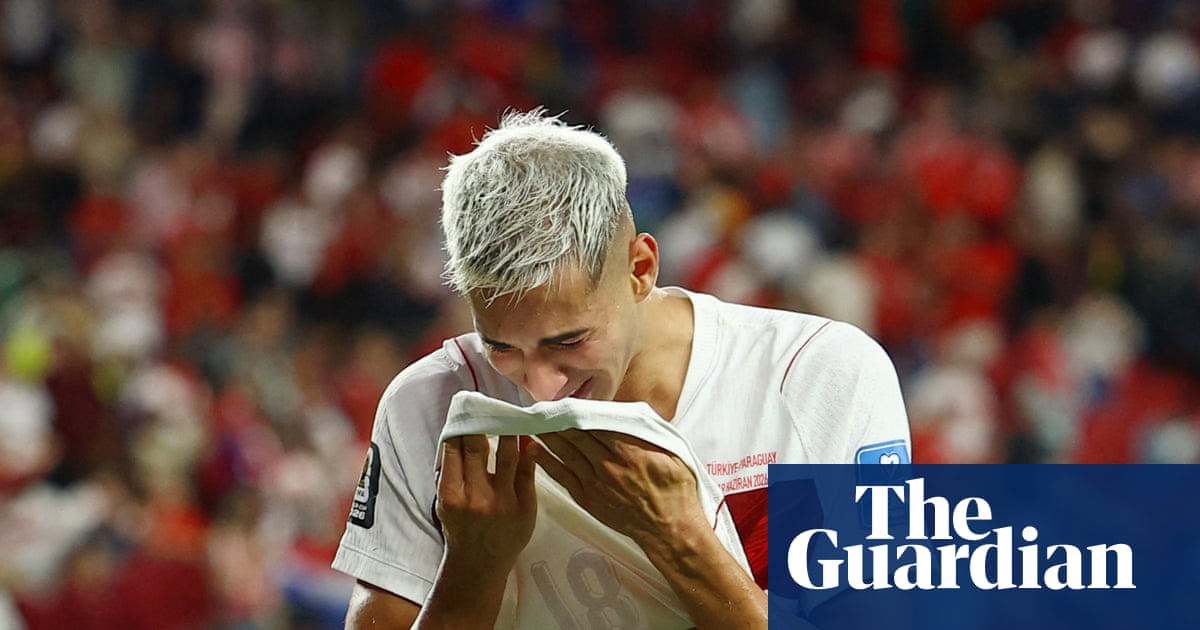
Despite the cultural rebranding, Türkiye’s performance in international football remains a topic of discontent. Historically, Turkey has an underwhelming record in the World Cup, with only three appearances to date, the latest being in 2026. Their early exit from the tournament came as a disappointment, especially after suffering defeats against both Australia and Paraguay. The latter loss was particularly stinging, as Paraguay played with a reduced team after Miguel Almirón received a red card. Turkish players, including young talent Arda Güler, lamented missed opportunities, reflecting a sense of frustration within the team.
In these two matches, Türkiye managed an astonishing total of 62 shots but failed to convert any into goals. This statistic marks a disheartening record for the World Cup, highlighting their inability to capitalize on offensive opportunities. Coach Vincenzo Montella expressed disbelief at their inability to score, questioning whether the pressure associated with competing in a significant tournament after a long absence may have contributed to their failure. As the nation grapples with these outcomes, questions arise about what changes may be necessary to improve Turkey’s standing in global football.
The Aftermath of Elimination
The consequences of Türkiye’s disappointing exit from the tournament will inevitably lead to a shakeup within the ranks of the national team. Speculation about potential resignations or structural changes points to a broader need for reassessment. However, it’s worth asking whether the rebranding effort needs its own recalibration.
For many, the association between Türkiye and the bird symbol could be overshadowing the country’s identity as a footballing nation. In the realm of international sports, names carry weight and significance. For Türkiye, navigating the dual challenges of perception and performance will be essential in redefining how they are viewed on the world stage.
Answers and Insights
Even as debates about names and identities continue, the urgent task of reflecting on performance must take priority. The focus now shifts to what strategies can be employed moving forward, ensuring that Türkiye’s name is synonymous with not just cultural pride but also athletic achievement. In the meantime, fans and players alike await the next World Cup, hoping that the lessons learned will lead to a resurgence in performance that can align with the renewed national identity.
In summary, Türkiye finds itself at a crossroads, where the emphasis on cultural representation through name change must be matched by tangible success on the football field. The aspiration remains — to transform the narrative of Türkiye from one of missed opportunities to one of triumphs. Balancing this ambition with the weight of expectations will be crucial as the country prepares for future challenges in international football.