
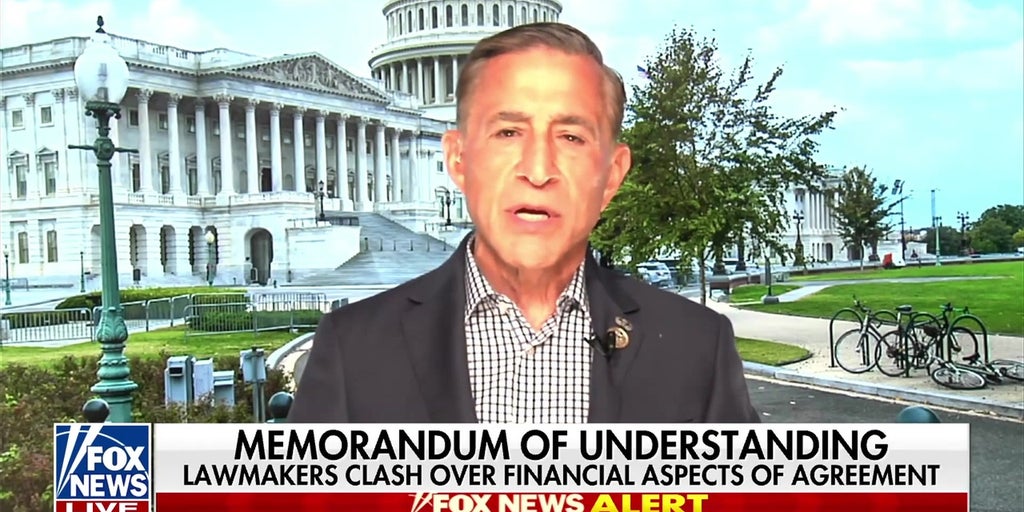
Lawmakers are currently engaged in a heated discussion regarding a temporary peace agreement between the United States and Iran. This debate has garnered significant attention, largely due to contrasting viewpoints on the implications and effectiveness of the proposed deal. As tensions in the region persist, the stance taken by lawmakers such as Rep. Darrell Issa represents a part of the ongoing dialogue surrounding U.S.-Iran relations.
The Context of the U.S.-Iran Peace Deal
The U.S.-Iran peace agreement is being presented as a conditional loan, which proponents argue could lead to behavioral changes within Iran. Rep. Darrell Issa, a Republican from California, has notably defended this approach during the discussions. He emphasizes that the conditions tied to the loan are designed to encourage Iran to alter its actions, specifically in areas deemed concerning by U.S. lawmakers. Issa’s viewpoint reflects a broader historical trend where conditional negotiations have been employed in various international contexts to foster change.
Criticism Surrounding Fund Allocation
On the opposing side of the debate, Senator Ted Cruz has voiced his skepticism about the allocation of funds to Iran. He argues that providing financial resources could inadvertently support the regime’s activities, which contradict U.S. interests in the region. Cruz’s perspective highlights a key concern regarding foreign aid—that it may enable or embolden governments that do not align with democratic values or human rights standards.
Historical Comparisons and Lessons
Issa’s arguments have drawn parallels to previous instances of regime change, where financial incentives were used in exchange for compliance or reform. This historical context raises questions about the long-term effectiveness of such strategies. Observers of international relations often debate whether these approaches yield lasting positive outcomes or simply lead to temporary compliance without substantial change in behavior.
The Future of U.S.-Iran Relations
As the examination of this peace deal continues, the future of U.S.-Iran relations remains uncertain. Lawmakers must weigh the potential benefits of the agreement against the risks associated with empowering a regime that has historically challenged U.S. interests. It will be essential for Congress to deliberate effectively and consider both the immediate and far-reaching consequences of any peace initiatives.
In summary, the discussions surrounding the temporary U.S.-Iran peace deal encapsulate a complex interplay of diplomacy, finance, and historical precedent. With contrasting opinions and potential implications at stake, the dialogue among lawmakers is crucial in determining the future trajectory of relations between the two nations. As this debate unfolds, the focus will likely continue to shift towards finding a balance between promoting change and ensuring national and regional security.