
Iraq is taking strategic steps to diversify its oil export routes, especially following recent disruptions in the Strait of Hormuz. This shift is aimed at ensuring the country is not left vulnerable to geopolitical tensions that can impact vital shipping lanes.
New Export Routes via Syria
Iraq is set to initiate crude oil and naphtha exports through the Mediterranean port of Baniyas in Syria. This measure is a direct response to the challenges faced when Hormuz, a crucial navigation route for oil tankers, was temporarily closed. During this time, Iraq faced the critical issue of overflowing storage tanks, prompting the search for alternative export pathways. Iraqi officials anticipate that once operations through Hormuz stabilize, the new routes will still be utilized. This indicates a long-term strategy to create a more resilient export network for the nation.
Traditionally, Iraq exports around 3.6 million barrels of oil per day, with a significant portion, approximately 3.4 million barrels, traveling through southern Gulf terminals. The closure of Hormuz highlighted the vulnerability of these routes and sparked a re-evaluation of export strategies. This proactive response underscores the urgency for Iraq to mitigate future risks associated with geopolitical uncertainties.
Gradual Implementation and Infrastructure Development
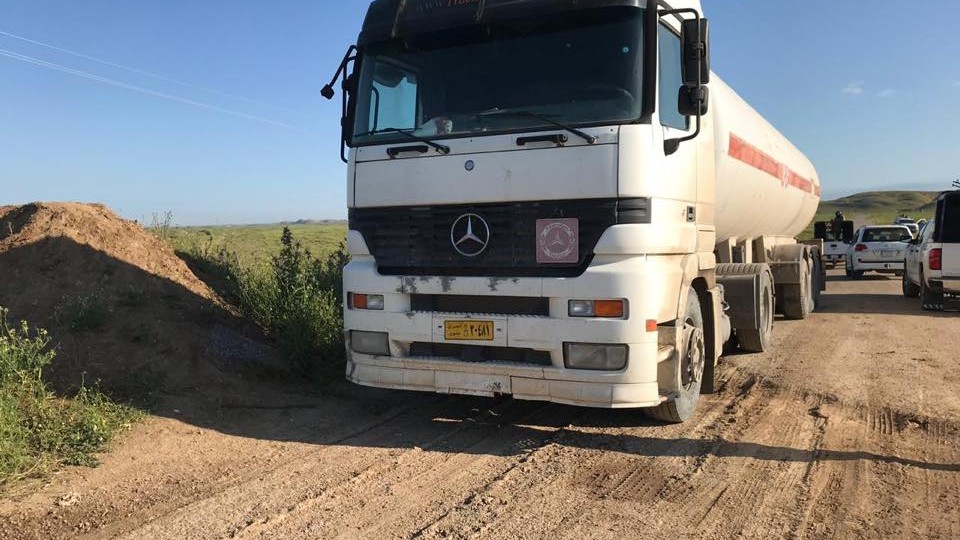
Initial exports through Syria are projected to commence by July, with an expected output of around 50,000 barrels per day. Additionally, shipments of fuel oil are already reaching Baniyas via truck, targeting markets in Europe and Africa. To accommodate the increasing volume of shipments, Syria is investing in expanding port facilities and enhancing unloading capabilities. This move not only benefits Iraq but also taps into Syria’s potential as a key transit point for energy exports.
This change in approach is part of a larger trend seen throughout the Middle East. Countries like Saudi Arabia have relied on their East-West pipeline to circumvent Hormuz disruptions, while the UAE is enhancing its export capacities beyond the Strait. Iraq’s exploration of multiple routes through Syria and Turkey hints at a collective shift in the region’s energy strategies to prioritize redundancy and continuity.
A Changing Landscape of Oil Exports
Recent events have dampened any optimism regarding the reopening of Hormuz. Although there was initial excitement in the markets, ongoing geopolitical tensions remain a significant barrier. Negotiations aimed at calming the situation have faced delays, and recommendations against navigating the Strait have further compounded the reluctance of tanker operators to engage in these politically unstable waters.
The overall scenario emphasizes an increasing focus on creating alternative routes among Middle Eastern nations. This strategic pivot not only enhances energy security but also reflects a broader understanding of the persistent vulnerabilities tied to the region’s oil export infrastructure. As countries invest in diverse logistics to circumvent potential shutdowns, they are better equipped to navigate the complexities of global energy markets.
In conclusion, Iraq’s efforts showcase the importance of developing multiple export channels. Such measures will not only safeguard the country’s oil revenue but also contribute to regional stability. The shift away from reliance on Hormuz is indicative of a significant transformation in how oil is transported in a region fraught with uncertainties.