
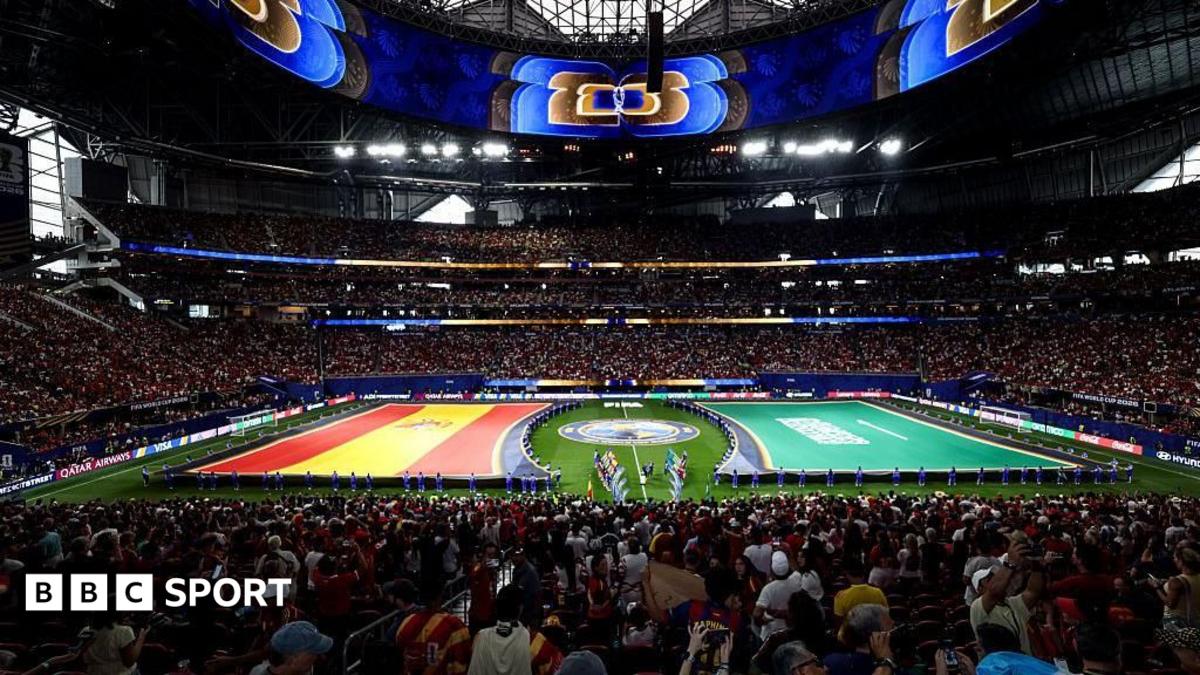
The flags of Saudi Arabia and Iraq hold significant cultural and religious meanings, which is why they are treated with special care during World Cup pre-match ceremonies. Unlike many other flags displayed on the field, these two nations’ flags are not laid on the ground, ensuring respect for the religious texts they bear.
Religious Significance of the Flags
The flag of Saudi Arabia prominently features the Shahada, which translates to “There is no God but Allah, and Muhammad is His messenger,” along with a sword. This declaration is not just a message of faith; it represents the core tenets of Islam. Due to this sacred wording, the flag must be handled with utmost respect. During World Cup events, this translates to a policy that avoids placing the flag on the ground, which could be considered a sign of disrespect.
Similarly, Iraq’s flag incorporates the Takbir, an Arabic expression meaning “God is greatest.” This phrase is integral to Muslim faith and culture, often invoked during daily prayers and moments of celebration. Although shorter than the text on Saudi Arabia’s flag, the inclusion of religious wording also necessitates special consideration. The commitment to preserving the dignity of these flags reflects not only the traditions of these nations but also the broader understanding of respect in global contexts.
Handling of the Flags During Matches
Before each match, giant versions of both flags are displayed on the pitch, showcasing national pride and unity. However, unlike most other flags that are laid flat on the ground during team entrances, the flags of Saudi Arabia and Iraq are kept elevated. This practice underscores the respect afforded to religious symbols and highlights the cultural nuances involved in international sports.
In instances where matches feature either one of these countries, flag carriers ensure that the banners remain elevated throughout the pre-game activities. Such care is indicative of the importance placed on cultural and religious symbols in this global sporting event. Volunteers promptly roll up the flags after the ceremonies to further maintain their integrity and honor.
Broader Implications for International Events
The special treatment of these flags is a reminder of the richness and diversity of cultures involved in global competitions. While sports aim to foster a spirit of camaraderie and friendship, they also serve as platforms to acknowledge the unique beliefs and values held by different nations. Respecting the flags symbolizes a commitment to understanding and honoring these differences.
As the World Cup continues to captivate audiences worldwide, the approach to the flags of Saudi Arabia and Iraq serves as a crucial example of how to navigate cultural sensitivities in international settings. By honoring the religious significance behind these national symbols, event organizers not only show respect for the participating nations but also promote a deeper understanding of the cultural landscape that defines the world of sports. This careful balancing act enriches the World Cup experience for players and fans alike, fostering an atmosphere of mutual admiration and respect.