
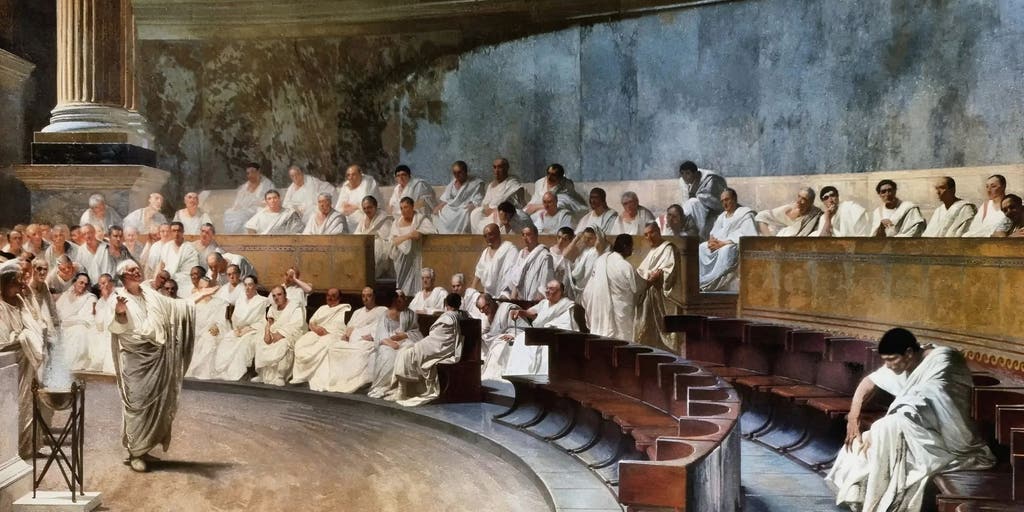
Recent archaeological discoveries in Egypt have captured the attention of historians and enthusiasts of the ancient world, revealing a cemetery that dates back to the Greco-Roman period. This find sheds light on burial practices and daily life during a time when the Roman Empire was firmly establishing its dominance over this historically rich region.
Insights from the Greco-Roman Cemetery
The Supreme Council of Antiquities in Egypt has reported significant findings in a recently uncovered cemetery. This site has presented a variety of burial styles, offering a glimpse into the rituals and customs of the time. Among the notable artifacts were color-plaster coffins and barrel-shaped pottery, commonly used during the Ptolemaic Period, which preceded Roman control. These burial methods illustrate the cultural complexities that existed in Egypt before and during the rise of the Roman Empire.
In addition to the grave goods, archaeologists discovered storage containers and ovens filled with animal bones, indicating the dietary habits of the people who inhabited this area. Analysis suggests that fish, birds, and other meats likely formed a substantial part of their diets, reflecting a diverse culinary culture at the time. According to historical data, life expectancy for individuals in this period ranged between 30 to 35 years, emphasizing the challenges faced by earlier civilizations.
The Roman Presence in Egypt
The arrival of the Roman Empire in Egypt began in 30 B.C. with Emperor Augustus following the war against Cleopatra and Mark Antony. This period marked a critical juncture in history, where the Roman Empire supplanted existing monarchical structures, effectively making Egypt a Roman province. The early alliances and conflicts between Roman figures, such as Julius Caesar and his rival Pompey, set the stage for the political landscape that followed.
Tensions between key figures during the late republican era culminated in a civil war, inadvertently drawing Egypt into Roman power struggles. Pompey’s assassination shortly after arriving in Egypt left a significant mark on the geopolitical dynamic, with Cleopatra emerging as a pivotal player in securing her nation’s future amidst the Rome’s ever-expanding influence. Caesar’s subsequent relationship with her further solidified his interests in the region, intertwining their fates.
Daily Life and Cultural Influence
The recently discovered artifacts have not only provided insights into burial traditions but have also depicted elements of daily life. Evidence indicates that the typical diet during this period comprised vegetables, cereals, fish, and various spices—foods that catered to both the common populace and the elites. This diverse range of ingredients illustrates the cultural exchange facilitated by Roman rule.
Overall, these archaeological endeavors offer a window into the complex socio-political and cultural tapestry of Egypt during the Greco-Roman era. As further investigations take place, more aspects of everyday life and traditions will likely come to light, enabling historians to paint a more nuanced picture of this fascinating time. The ongoing discoveries in Egypt not only engage our curiosity about the past, but they also enhance our understanding of how ancient civilizations served as the foundation for modern society.