
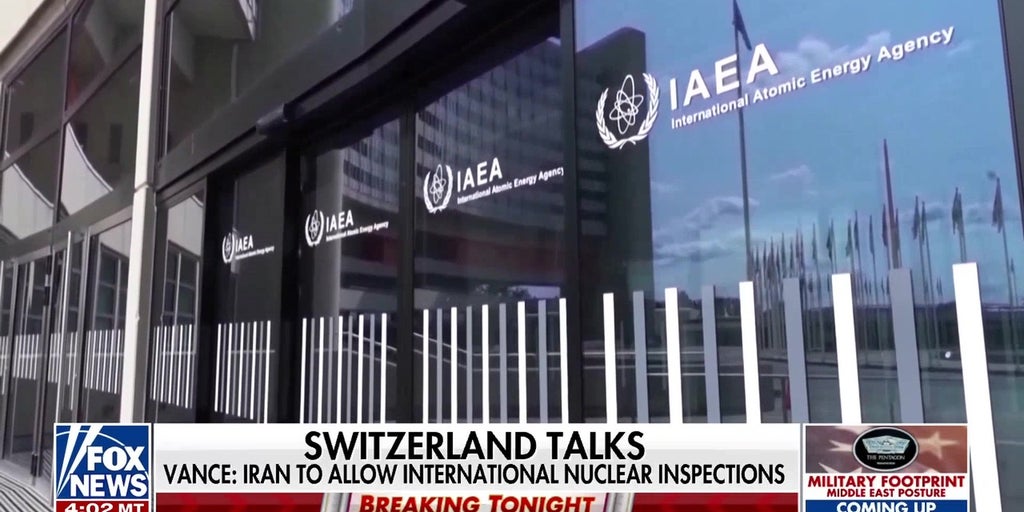
In a significant policy shift, the Trump administration has authorized the temporary production, distribution, and sale of Iranian oil. This decision, encapsulated in a newly issued 60-day license, has implications that resonate throughout global markets and diplomatic channels. The announcement has stirred debates about its potential impact on U.S.-Iran relations, energy prices, and international sanctions enforcement.
Understanding the New License
The recent 60-day licensing agreement allows limited activity related to Iranian oil. This means that American companies may engage in operations concerning the production and sale of oil from Iranian sources, albeit under strict guidelines. The enforcement mechanism aims to address certain geopolitical considerations while attempting to stabilize fluctuations in global oil markets. This shift reflects a nuanced approach amidst ongoing negotiations and pressures regarding Iran’s nuclear ambitions.
Implications for Oil Markets
The temporary authorization could have significant ramifications for oil prices both in the U.S. and internationally. With Iran being a major oil producer, the ability to legally tap into its supply may ease some of the pressure on oil markets, especially during times of heightened demand or when supply chain disruptions occur elsewhere. Analysts anticipate that this move could lead to more competitive pricing, benefiting consumers by potentially lowering fuel costs.
However, this also raises questions about the potential consequences of re-engaging with Iranian oil. Critics argue that easing restrictions on Iran might embolden its government, undermining ongoing international diplomatic efforts to curb its nuclear program. Stakeholders in oil production and market regulation must be vigilant as they navigate the complexities introduced by this license.
Diplomatic Dimensions
This temporary policy shift is not merely an economic maneuver; it holds diplomatic weight as well. Engaging with Iranian oil could signal a willingness to negotiate further on broader geopolitical issues. The balance between economic interests and national security concerns will be a focal point in upcoming discussions with international allies and opponents alike. It remains to be seen how this will shape future talks around Iran’s nuclear activities and its role in the Middle East.
Additionally, the license may open pathways for dialogue that could re-evaluate existing sanctions and offer a framework for more comprehensive negotiations. Stakeholders should prepare for an intricate dance of diplomacy as this new landscape unfolds.
In summary, the Trump administration’s temporary authorization for Iranian oil presents both opportunities and challenges. Whether this policy shift will lead to more favorable outcomes in oil pricing, U.S.-Iran relations, or international diplomatic efforts remains to be seen. Policymakers, industry leaders, and consumers alike will be impacted in various ways as they adapt to this evolving scenario.