
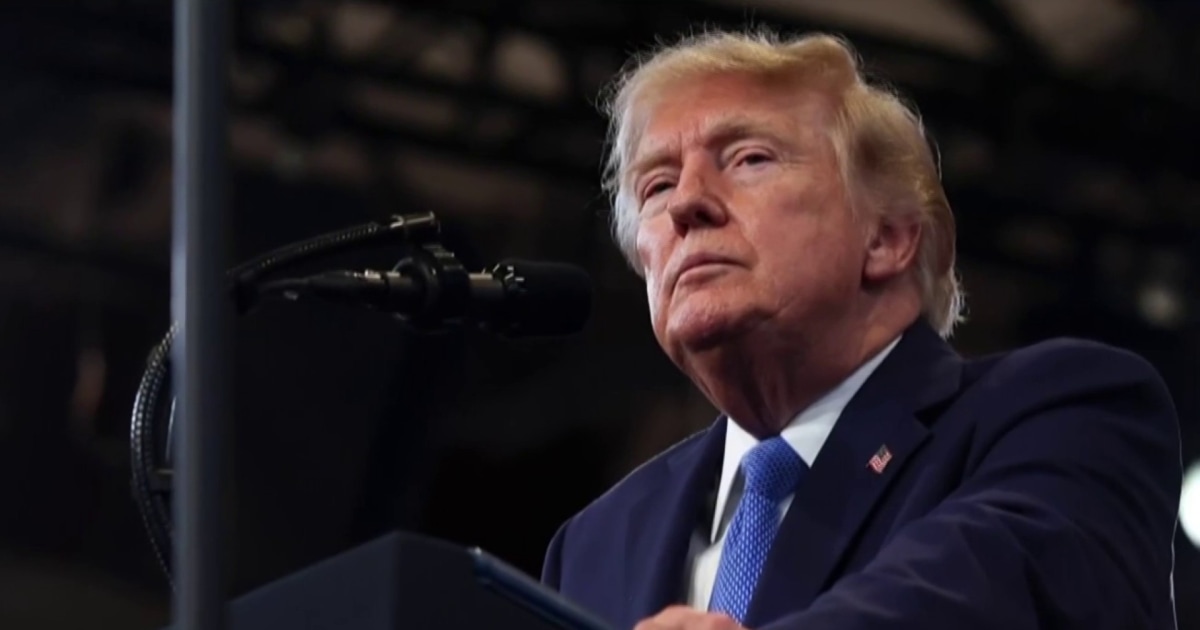
Trump’s recent social media post has sent ripples through diplomatic circles, particularly regarding relations with Iran. In a striking declaration, he emphasized that there are currently “no talks or conversations” in the works with Iran amid escalating tensions. This announcement comes at a complex time for the region, as the state of affairs both in the U.S. and the Middle East remains volatile.
Context of the Announcement
The president’s statement reflects the ongoing strife in the Middle East, particularly pertaining to Iran’s nuclear ambitions and military actions in the region. Analysts suggest that Trump’s clear stance signals a firm approach to Iran’s activities, indicating a hard-line strategy focusing on deterrence rather than diplomacy. This approach may resonate with his core supporters who favor a robust stance against perceived threats.
While Trump’s announcement echoes a familiar narrative of prioritizing U.S. security interests, experts are warning of potential repercussions. Continued lack of communication could exacerbate tensions and lead to miscalculations that escalate conflicts into open confrontations. Critics of Trump argue that a diplomatic approach could ease tensions, suggesting that engagement is necessary to avoid missteps.
Impact on U.S. Foreign Policy
This proclamation signals an inflexible path for American foreign policy under Trump’s administration, particularly towards Iran. It raises pivotal questions around future diplomatic negotiations. The absence of talks indicates a shift away from multilateral discussions that have historically aimed to de-escalate tensions. Such a stance invites scrutiny and debate both in political and military circles.
Moreover, Trump’s reluctance to engage in dialogue might isolate the U.S. from potential allies who advocate for a more nuanced approach. Foreign policy experts contend that building coalitions and fostering dialogue could lead to better outcomes. With geopolitical dynamics continually changing, maintaining an open line for communication may prove crucial for stability.
Public Reaction and Future Implications
Public reaction to this announcement has been mixed, revealing a split among American voters. Some support Trump’s tough rhetoric, backing the notion that strength is essential in addressing the Iranian threat. Conversely, opponents argue that such declarations could provoke Iran and potentially lead to military confrontations, diminishing national security rather than enhancing it.
Looking ahead, the implications of Trump’s comment on future relations with Iran are profound. With a lack of ambassadorial talks, experts predict that military readiness may intensify as tensions rise. This scenario comes amid ongoing concerns about Iran’s missile programs and military engagements in neighboring regions. Thus, future governance will face critical questions regarding effective strategies to contain and manage these challenges.
As the U.S. navigates its foreign policy landscape, the role of public opinion, bipartisanship, and international diplomacy could significantly influence decisions surrounding Iran. These developments underscore the delicate balance between security and diplomacy in an ever-changing global arena. Ultimately, Trump’s firm stance may provide immediate political dividends but could undermine long-term strategic goals.
In summary, Trump’s assertive announcement reaffirming no conversations with Iran marks a pivotal moment in international relations, reflecting broader implications for U.S. foreign policy and Middle Eastern geopolitics. Stakeholders will need to consider their responses, as the risk of escalating tensions looms large on the horizon.