
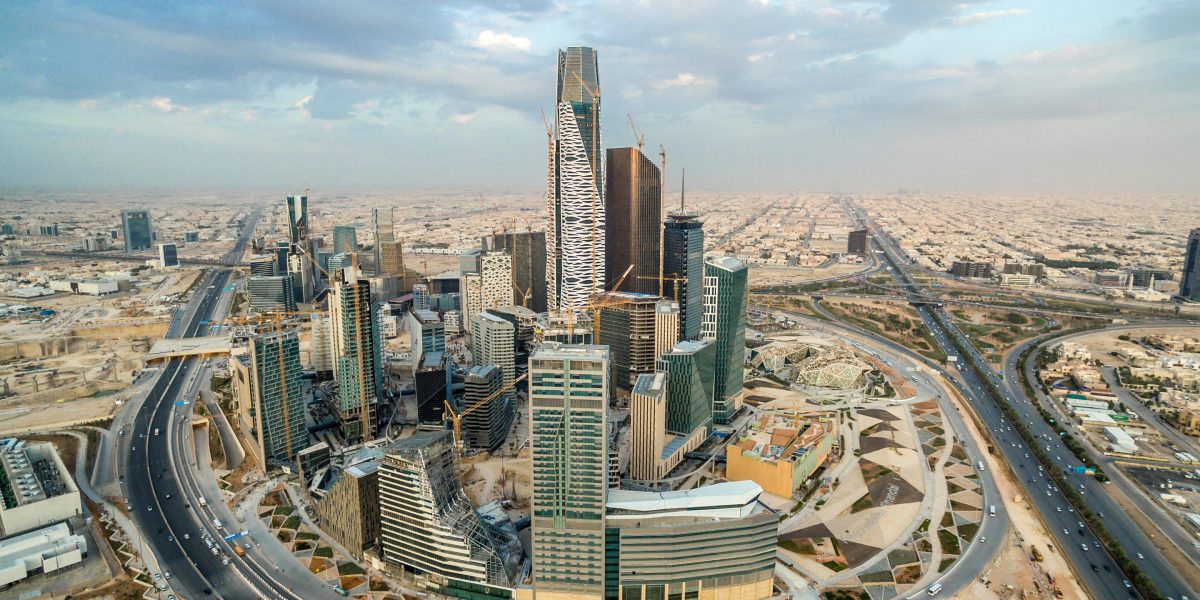
Saudi Arabia is making significant shifts in its investment strategy as it aims to reposition itself as a global economic hub. Recent comments from Yasir Al-Rumayyan, the governor of the Public Investment Fund (PIF), underscore this pivot, indicating a focus on revitalizing the country’s economic landscape.
The Strategy Shift of the PIF
Yasir Al-Rumayyan declared that the new approach intends to “bring the world back to Saudi.” This statement was made during the Future Investment Initiative (FII) Priority Europe summit in Rome, highlighting a significant transition from previous investment strategies. Previously, the PIF aimed to integrate Saudi Arabia into the global market more deeply. However, the new focus will prioritize making Saudi Arabia a center for global economic activities, as articulated in the recently approved 2026–2030 strategy.
The PIF, instrumental to Saudi Arabia’s ambitious Vision 2030 diversification agenda, is now directing 80% of its capital towards domestic investments—a notable decrease from the 30% allocated to foreign investments. This redirection suggests a strong commitment to fostering local growth while de-emphasizing ambitious and costly mega-projects that have previously characterized Saudi Arabia’s development plan.
Cutbacks on Mega Projects
Al-Rumayyan’s announcement aligns with a series of substantial cutbacks on notable mega-projects like Neom, a futuristic economic zone under construction. Neom’s infrastructure vision has undergone significant scaling down, shifting from its initial plan of a 106-mile linear megacity to a more manageable 1.5 miles for its first phase. This revision indicates a broader reconsideration of the feasibility and investment returns associated with such massive developments.
Additionally, other projects, such as the Trojena ski resort, have also faced reductions, including a withdrawal from hosting the 2029 Asia Winter Games as initially planned. Despite these cutbacks, Saudi Arabia is still preparing substantial budgets for upcoming events like the Expo 2030 world trade fair and the FIFA World Cup in 2034, revealing that while certain projects are being downsized, the kingdom remains committed to its international engagements.
Navigating Economic Pressures and Geopolitical Challenges
The shift to a more domestically focused investment strategy highlights the PIF’s response to various economic pressures, including decreased oil revenues and rising geopolitical uncertainties. The blockade on the Strait of Hormuz has exacerbated existing issues, leading to a need for greater fiscal prudence. Since 2013, Saudi Arabia has reported only one budget surplus, indicating a pressing need for a sustainable economic model moving forward.
Amidst these challenges, Al-Rumayyan emphasized the need for Saudi Aramco to enhance its international oil storage capabilities in light of market volatility and urged for what he calls “energy realism.” This comprehensive focus reflects the necessity of balancing ambitious economic transformations with the realities of current fiscal pressures and uncertain geopolitical landscapes.
Conclusion: The Road Ahead for Saudi Investment
While Saudi Arabia is actively steering its investments towards domestic growth, the kingdom faces a complex web of challenges that could hinder fulfilling its renewed vision. Al-Rumayyan’s goal of attracting global investors and tourists to Saudi Arabia remains ambitious, particularly in a region characterized by geopolitical tensions. Achieving this vision will require navigating local priorities while ensuring that international stakeholders feel secure and engaged with the evolving Saudi landscape.