
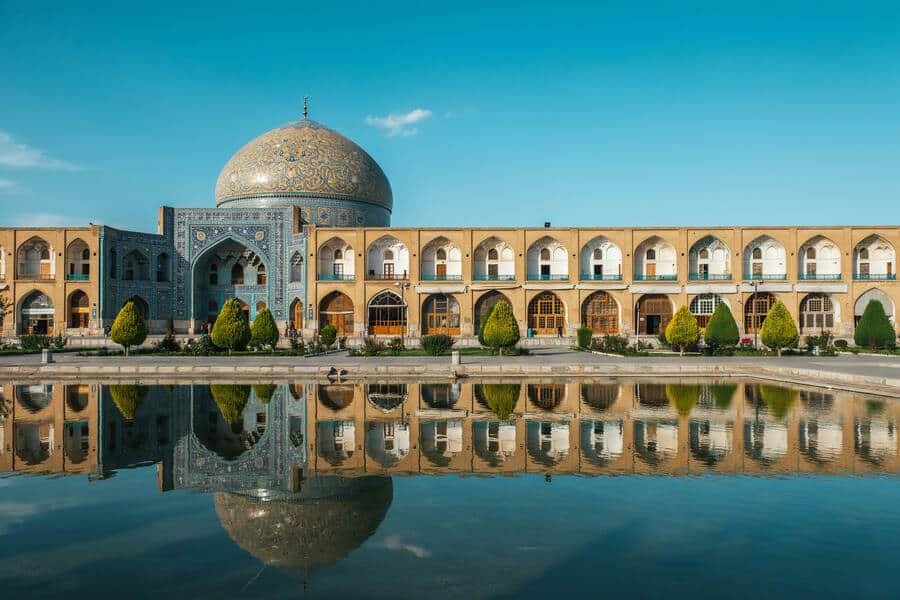
Iran, alongside countries like the United Arab Emirates, Saudi Arabia, Qatar, Oman, Bahrain, and Egypt, is stepping into a new era of tourism growth in the Middle East. This shift is primarily driven by regional governments focusing on sustainable practices, visa reforms, and major infrastructure developments. These proactive strategies aim to diversify economies that have predominantly relied on oil, enhancing their global competitiveness in the tourism sector.
Sustainable Tourism Initiatives in the Middle East
The region is increasingly emphasizing green tourism initiatives that prioritize environmental sustainability. By implementing eco-friendly practices within the tourism sector, Middle Eastern countries are not only appealing to eco-conscious travelers but also working towards preserving their natural landscapes and heritage. Strategies include developing eco-resorts and promoting responsible travel options, which contribute to the overall appeal of the region as a tourist destination.
Visa Liberalization Policies: A Gateway to Growth
Another significant factor contributing to the growth of tourism in the Middle East is the recent implementation of liberalized visa policies. By simplifying entry requirements, countries are making it easier for international visitors to explore their rich cultures and attractions. This move is crucial for attracting tourists, as streamlined visa processes often translate to higher visitor numbers. As a result, Persian heritage sites and modern urban attractions are becoming more accessible to global travelers.
Investing in Infrastructure: The Backbone of Expansion
A comprehensive infrastructure overhaul is also underway across the region. Enhanced transportation networks, including modern airports and efficient public transit systems, are essential for accommodating the projected influx of tourists. Furthermore, investment in hospitality projects—ranging from luxury hotels to budget accommodations—ensures that visitors can find suitable places to stay. This focus on robust infrastructure will play a critical role in elevating the tourism experience, contributing to longer stays and repeat visits.
Competing on a Global Stage
As Middle Eastern nations work to diversify their economies, they recognize the importance of building a sustainable and competitive tourism landscape. Enhanced marketing efforts and international partnerships are crucial for positioning these destinations in a crowded global market. By showcasing unique cultural offerings, historical sites, and natural wonders, Middle Eastern countries aim to attract a diverse range of tourists, particularly those seeking unique and memorable experiences.
In conclusion, the Middle East is on a transformative journey toward establishing itself as a premier global tourism destination. By embracing sustainable practices, reforming visa regulations, and significantly improving infrastructure, countries like Iran, Saudi Arabia, and the UAE are set to redefine what tourism can be in the region. This multifaceted approach not only allows for economic diversification but also strengthens ties with international tourists seeking both adventure and cultural enrichment. As the landscape of Middle Eastern tourism evolves, the opportunities for engagement and discovery are growing exponentially.