
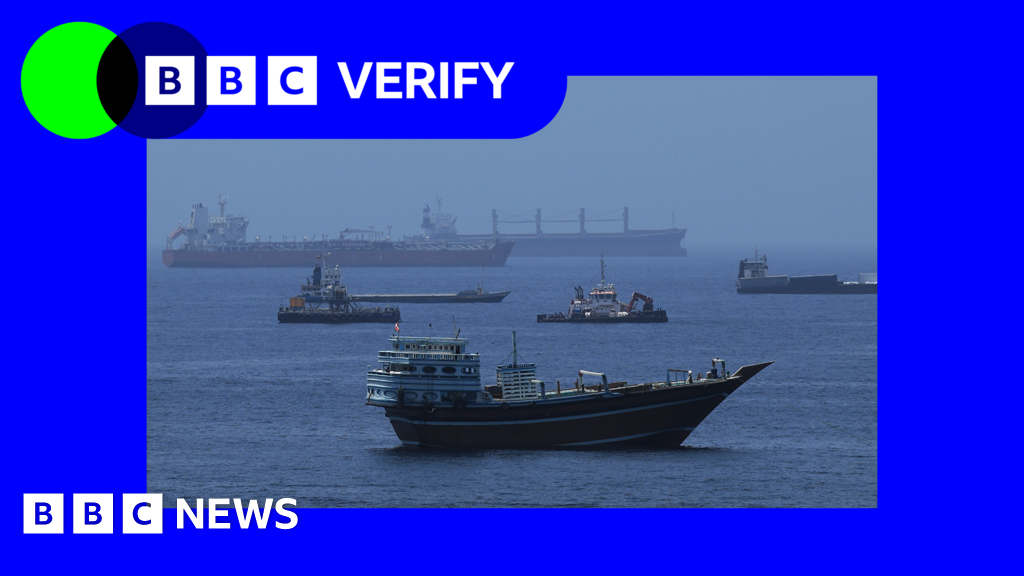
Recent ship-tracking data reveals that a significant number of vessels are currently operating within the Gulf region, highlighting the dynamic nature of maritime trade and logistics.
Current Maritime Traffic in the Gulf
According to ship-tracking information, over 250 tankers and 440 cargo vessels are still present in the Gulf, based on their last known locations. This concentration of maritime activity sheds light on the strategic importance of this waterway for global trade. Notably, a substantial percentage, exceeding 80%, of these tankers are either stationary or anchored, indicating that they may be waiting to unload or take on cargo. Additionally, approximately one out of every six vessels appears to be actively transporting goods, underlining the ongoing significance of the Gulf as a vital trade route.
The Strategic Importance of the Gulf
The Gulf serves as a crucial corridor for shipping, facilitating the movement of goods across international waters. With over 250 tankers in the area, it is evident that this region remains integral to global supply chains. Factors such as geopolitical stability and environmental considerations play pivotal roles in influencing maritime activity here. Many businesses rely on the timely transport of goods through these waters, making it essential for stakeholders to monitor traffic patterns closely.
Implications for Global Trade
The data illustrates that while many tankers are anchored, this does not necessarily indicate a slowdown in trade; rather, it may reflect a strategic pause. Shipping routes through the Gulf are often influenced by various factors, including seasonal demand fluctuations and regulatory environments. Therefore, logistics professionals need to stay informed about these dynamics to ensure the efficient movement of goods.
Challenges and Opportunities Ahead
Despite the current traffic levels, challenges remain in the maritime sector, such as environmental regulations and potential disruptions in supply chains due to geopolitical tensions. These factors could impact shipping timelines and costs. On the other hand, the sustained presence of vessels in the Gulf also signifies ongoing opportunities for businesses to optimize their shipping strategies and expand market reach. Enhanced tracking capabilities and data analysis will become increasingly important for companies looking to navigate this complex landscape.
In summary, the Gulf continues to be a critical hub for maritime activity, as highlighted by the significant number of tankers and cargo vessels currently in the region. Understanding the trends and implications of this traffic is essential for all stakeholders involved in the global shipping industry.