
Iran has recently been offered a potential financial boost as the United States relaxes some of the sanctions that have limited its economic activities. While this move creates an opportunity for Iran to access billions in oil revenues, the road to fully lifting sanctions is laden with complexities. These obstacles stem from decades of legal and political hurdles.
The Nature of Sanctions Relief
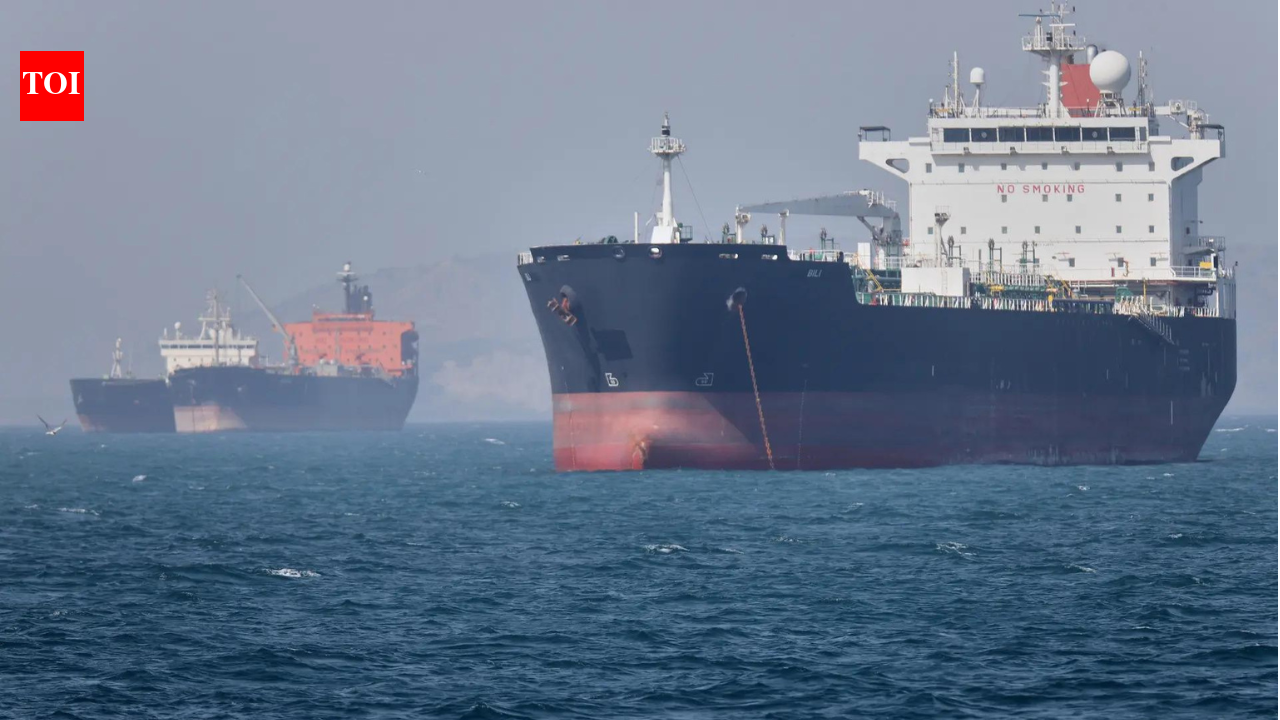
The U.S. has signed a 14-point memorandum of understanding (MoU) with Iran, initiating discussions for a phased sanction relief program. Under this arrangement, the U.S. Treasury has issued a temporary general license allowing Iran to produce and sell oil and petrochemical products until the end of August. This could potentially generate up to $3 billion for Iran. However, fully freeing Iran’s longstanding frozen assets remains a challenging endeavor due to a complicated blend of legal, political, and commercial barriers.
While the recent agreement allows Iran to earn money from current oil exports, recovering previously frozen assets is much more arduous. Many of these assets have been trapped in international financial systems, subject to stringent regulations that involve multiple countries and legal frameworks. The challenge lies not only in removing blacklists but also in restoring Iran’s credibility with global businesses and financial institutions.
The Historical Context of Sanctions
Sanctions against Iran date back to the late 1970s and have evolved into a massive framework involving laws, executive orders, and international restrictions. These measures were generally imposed over concerns related to Iran’s nuclear program, human rights abuses, and its support for various militant groups in the region. This extensive history has led to thousands of designations impacting individuals and companies, complicating any efforts to unwind these restrictions.
As highlighted by former officials, the intricate nature of these sanctions means that while executive orders can be revoked, many sanctions are embedded within U.S. law and require congressional approval for modification. This aspect of the sanctions relief process is contentious, with many lawmakers having voiced opposition to even the interim agreements. The numerous legal reviews and the involvement of various regulators also mean that any significant changes could take considerable time.
The Economic Stakes for Iran
Experts estimate that achieving permanent sanctions relief could eventually be worth tens of billions to Iran. This potential financial windfall would arise from eliminating discounted oil prices, broadening its customer base beyond current primary buyers like China, and increasing total export volumes. As it stands, around 90% of Iran’s oil exports go to China, underscoring the limited international engagement currently permitted under existing sanctions.
However, the act of removing sanctions does not guarantee the return of foreign investments. Financial institutions, energy companies, and insurers remain cautious, needing to navigate a web of compliance regulations that involve checking for any exposure to sanctions violations. Many of these companies are also bound by additional sanctions imposed by other jurisdictions, making their return to the Iranian market a slow process.
Challenges Ahead
The relaxation of sanctions raises various concerns regarding how the newly accessible funds will be utilized within Iran. Questions abound, particularly regarding whether the flow of money might inadvertently benefit entities like Iran’s Islamic Revolutionary Guard Corps, a group designated by the U.S. as a foreign terrorist organization. Legal implications also loom large, with the 2016 Justice Against Sponsors of Terrorism Act enabling lawsuits against firms linked to alleged support for terrorism in Iran, complicating their risk assessments.
In summary, while Iran stands at a pivotal junction with the potential for significant economic rejuvenation, substantial barriers remain in the way of achieving integrated international engagement. Experts contend that, without substantial political stability and clarity in legal frameworks, any large-scale foreign investment will be unlikely to materialize in the immediate future. The pathway is intricate, requiring patience and careful navigation through a complex landscape of sanctions and international relations.