
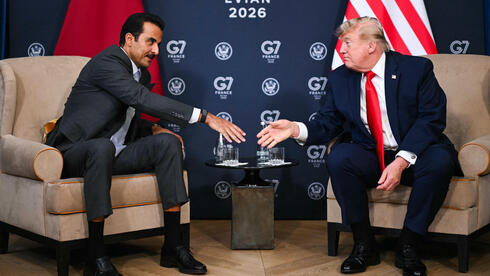
The evolving role of Qatar in the geopolitical landscape of the Middle East, particularly concerning Lebanon and Israel, is drawing significant attention. Recent reports indicate that Qatar may serve as a mediator in indirect negotiations between Israel and Hezbollah, aligning with ongoing discussions on regional stability.
Qatar’s Proposed Mediation Efforts
Lebanese media outlet Al-Akhbar, associated with Hezbollah, recently reported that Qatar’s initiative received approval during talks in Switzerland. The plan envisions Qatar acting as a facilitator for indirect negotiations between Israel and Hezbollah, ensuring that Lebanon’s official government remains engaged in the process. The goal is to achieve a durable, long-term ceasefire. Notably, the report suggested that France and the United Nations would not participate in this framework. It highlighted Qatar’s prior engagements with prominent Lebanese figures, including Parliament Speaker Nabih Berri and Hezbollah, before presenting the proposal to the United States.
Furthermore, the report claims that Qatar utilized its connections within the Iranian-American negotiation channels to encourage Israeli participation in this initiative. In a strategic move to keep the Lebanese government onboard, Qatari officials briefed President Joseph Aoun, ensuring he wouldn’t undermine the negotiations. A contrasting narrative from Lebanese channel Al Jadeed pointed to Qatar’s mediation roles being conducted in conjunction with the United States as part of a proposed mechanism discussed during the Switzerland consultations.
President Aoun’s Stance
During a recent statement, President Aoun expressed Lebanon’s readiness to welcome assistance for ending hostilities while firmly rejecting foreign interference in internal matters. He emphasized Lebanon’s sovereignty, asserting that no external parties could negotiate on behalf of the nation. This sentiment reflects the complexities of Lebanon’s internal politics and the delicate balance of external influences shaping the country’s future.
Despite Qatar’s previous involvement in Lebanon, this potential expanded mediation role raises concerns in Israel. Qatar’s long-standing relationship with Gaza, where it has engaged in negotiations with Hamas and facilitated financial support, makes Israeli officials wary. Many in Israel now criticize these engagements, linking them to the strengthening of Hamas prior to the tragic events of October 7.
U.S. Influence and Regional Dynamics
Dr. Yoel Guzansky, a former Israeli National Security Council official and an expert on Gulf affairs, noted that the United States is playing a crucial role in prompting Qatar’s involvement in Lebanon. He asserted that Qatar is stepping up with its mediation resources because external pressure supports this move. Moreover, Guzansky pointed out that while there may be apprehensions regarding Qatar, it is essential to assess where its interests align with those of Israel, particularly in relation to Hezbollah.
However, he emphasized the need for vigilance regarding any financial support extended by Qatar to ensure it does not inadvertently bolster Hezbollah or other adversarial groups. Close monitoring is required to guarantee these funds are directed towards constructive purposes, such as supporting the Lebanese government, army, and economy. Strengthening Lebanon could serve Israel’s interests by undermining Hezbollah’s influence.
The pursuit of regional stability will ultimately depend on the complexities of international negotiations, local governance, and the intricate web of alliances and rivalries that characterize the Middle East. As mediators like Qatar step into this challenging arena, their actions may significantly influence the geopolitical balance in the region.