
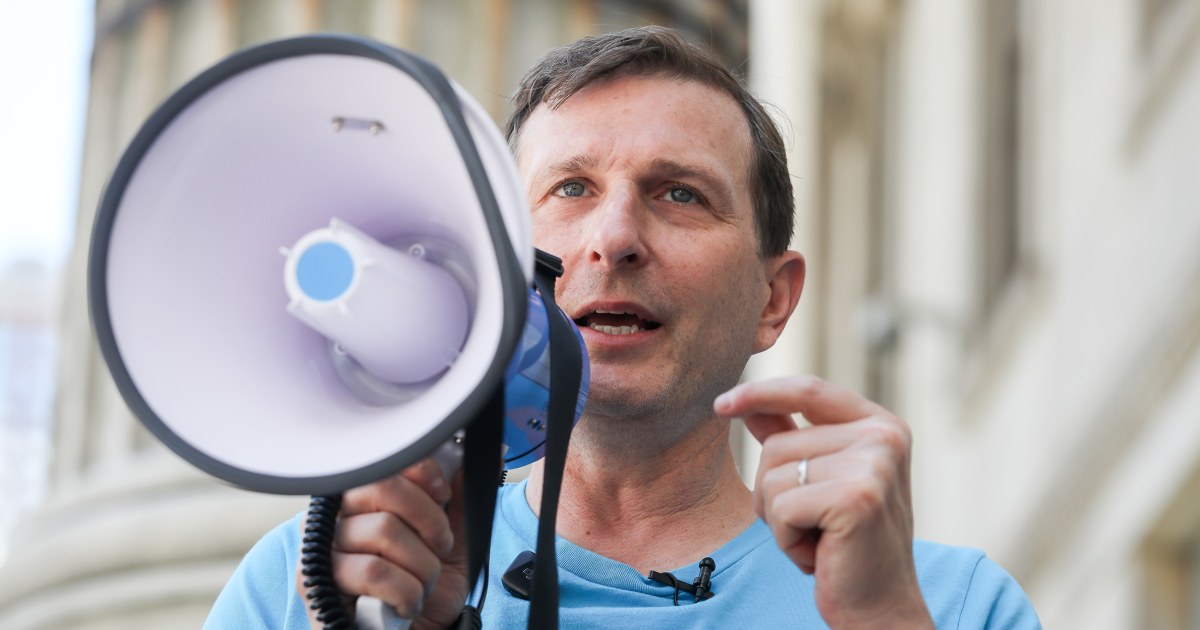
A recent social media post by a New York coffee shop has sparked significant controversy over its refusal to serve Congressman Dan Goldman due to his pro-Israel stance. This event has gained traction just ahead of the New York primary elections, where Goldman is facing a political challenge.
Poetic Outrage and Political Alignments
The coffee shop, Poetica Coffee, made headlines after explicitly stating that Goldman should never return due to his views on Israel. This is particularly notable as both Goldman and his challenger, former city Comptroller Brad Lander, are Jewish. Goldman has received endorsements from pro-Israel organizations, including J Street and the American Israel Public Affairs Committee (AIPAC). In contrast, Lander is supported by more progressive figures such as New York City Mayor Zohran Mamdani and Senator Bernie Sanders.
The harsh language in Poetica Coffee’s post included remarks linking Goldman’s views to accusations of enabling genocide. This response reflects a growing rift in political ideologies, particularly within the Jewish community regarding the ongoing conflicts in Gaza and Lebanon. The coffee shop used provocative imagery and language to clearly outline their position on Goldman’s stance and its implications.
Response and Reactions
In a defensive move, the coffee shop stated that it had issued a refund to Goldman, implying that his payment would be better off with AIPAC. “Enjoy your loss on Tuesday,” the post concluded, emphasizing a desire for him to stay away in the future. Despite the backlash, Goldman responded by noting the kindness of the barista towards his daughter, who was allowed to use the restroom. He expressed regret over the post but maintained that he wanted to ensure the barista received a tip reflecting her good service.
Goldman’s campaign has also commented on the situation, highlighting his commitment to not accepting corporate PAC money, including from AIPAC. This complicated narrative underscores how intertwined personal interactions are becoming with broader political debates. Notably, while Goldman distanced himself from explicit corporate influence, individual donations through lobbying groups have raised questions about political integrity.
Legal and Ethical Implications
The aftermath of this social media frenzy has not gone unnoticed by officials. Harmeet Dhillon, an assistant attorney general for civil rights, claimed that Poetica’s actions might be subject to legal scrutiny and stated that the Department of Justice (DOJ) is investigating. While Goldman does not believe an investigation is warranted, he underscored a need to focus on antisemitism—especially against those without a public platform—rather than targeting him.
The coffee shop’s foundational belief in treating everyone with “unconditional dignity” has been scrutinized. This case raises vital questions about the role businesses play in political discourse and how their values are aligned or misaligned with the actions they take.
As the political landscape continues to evolve, the implications of such public gestures will likely resonate beyond this specific incident. How individuals and businesses navigate their political beliefs in a climate of fierce ideologies remains a compelling conversation. This incident serves as a reminder of the complexities involved in merging commerce with activism in today’s polarized society.